Nashville’s Boutique Luxury Tourism Boom Is Reshaping One of America’s Fastest-Growing Tourism Markets.
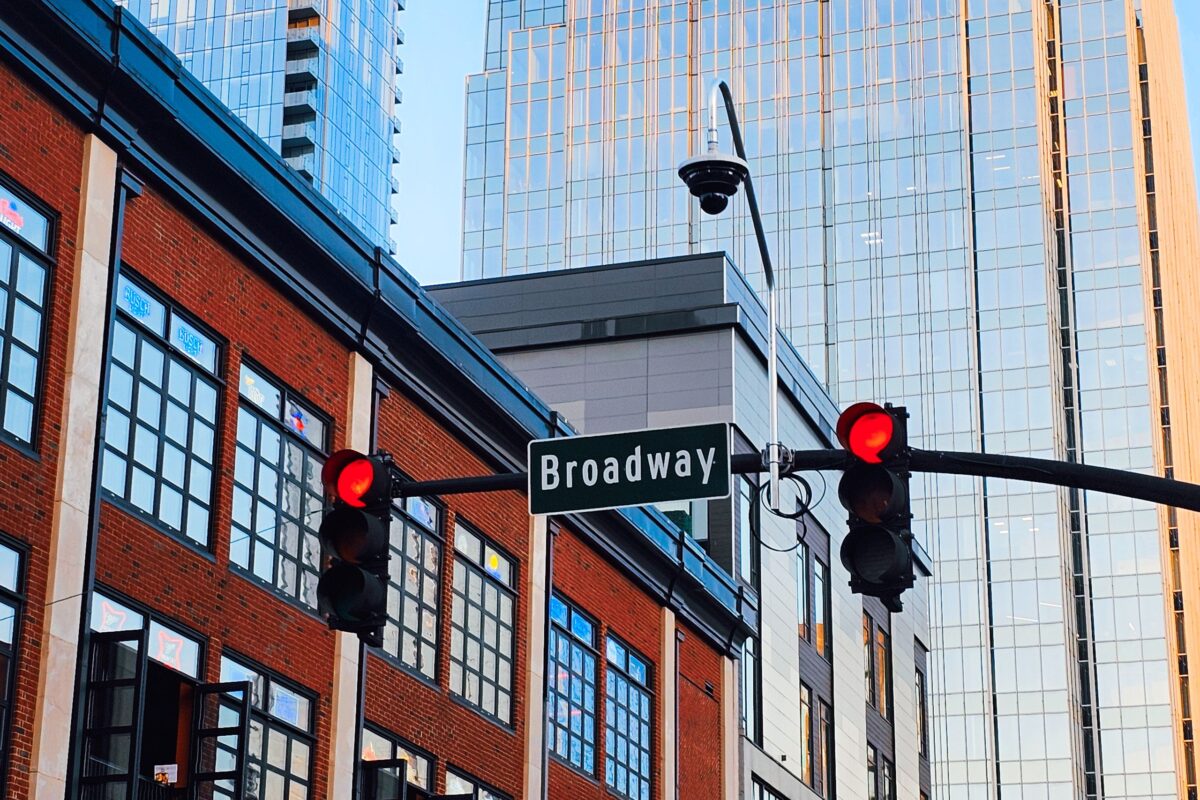
Nashville is no longer just America’s capital of country music. It is rapidly becoming something much more layered and far more expensive. Beneath the neon glow of Broadway’s honky-tonks, a different transformation is unfolding one driven by boutique luxury tourism, high-end hospitality brands, and a growing class of travelers who want curated experiences instead of chaotic weekends.
What was once a city defined by live music bars and bachelorette parties is now competing in a completely different league: luxury urban tourism. And the shift is no longer subtle. It is visible in the skyline, the hotel pipeline, the restaurant scene, and even the airport expansion designed to handle a more global, higher-spending visitor base.
A Tourism Market Growing Faster Than Most U.S. Cities
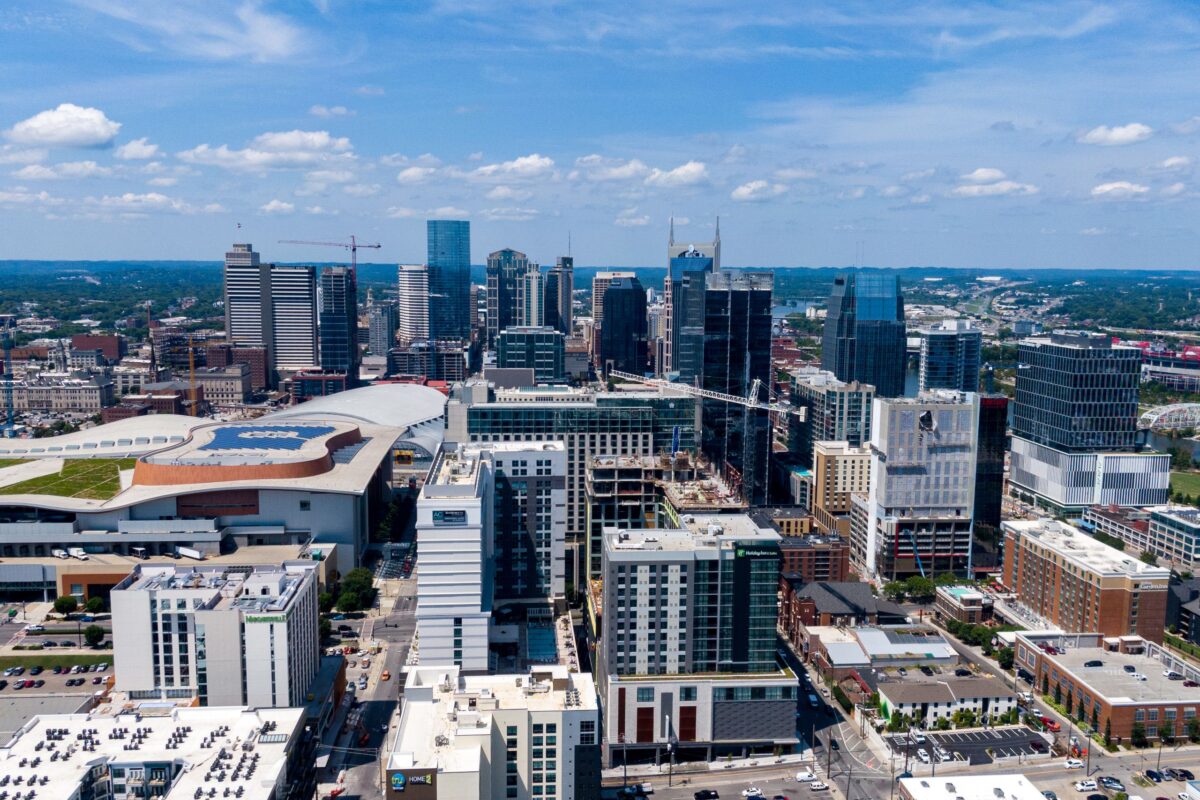
Nashville’s rise as a tourism powerhouse has been steady, but the scale is now difficult to ignore.
In 2024, Davidson County recorded approximately $11.2 billion in visitor spending, a record high for the region, according to the Nashville Convention & Visitors Corp. That represented consistent year-over-year growth, translating into roughly $30 million in daily tourism spending flowing through the local economy.
The city also welcomed nearly 17 million visitors annually, a mix of overnight travelers, weekend tourists, and convention attendees. That level of foot traffic places Nashville firmly among the fastest-growing tourism markets in the United States, particularly for mid-sized cities transitioning into global travel destinations.
What is changing now is not just the volume of visitors, but the type of visitor. The takeaway is that Nashville is attracting a more upscale traveler.
A growing share of arrivals are no longer coming solely for nightlife or music heritage. They are coming for boutique luxury stays, curated dining experiences, wellness-focused hotels, rooftop lounges, and premium entertainment packages that blend Southern culture with high-end hospitality.
The Rise of Boutique Luxury Hospitality
For decades, Nashville’s hotel identity was relatively simple: functional, midscale accommodations that supported the city’s entertainment economy. That model is now being rewritten by global luxury brands and boutique hospitality groups.
The arrival of properties like the Four Seasons Hotel Nashville marks a turning point. Located in the SoBro district, it represents a full-scale luxury offering with riverfront views, high-end dining, spa services, and branded residences, positioning itself as a destination in its own right rather than just a place to stay. Four Seasons Hotel Nashville
Similarly, 1 Hotel Nashville has introduced a sustainability-driven luxury concept downtown, combining biophilic design, wellness amenities, and upscale dining experiences that appeal to eco-conscious affluent travelers. 1 Hotel Nashville
The Conrad Nashville, part of Hilton’s luxury portfolio, adds another layer to the city’s high-end evolution, catering to business travelers, convention guests, and weekend tourists seeking elevated comfort near key cultural districts. Conrad Nashville
And this is only the beginning. The takeaway is that developers see long-term demand, not a temporary tourism spike. Multiple reports on Nashville’s development pipeline show continued investment in luxury and upper-upscale hotel projects, signaling that developers see long-term demand rather than a temporary tourism spike.
Boutique Hotels Are Redefining the City Experience
Unlike traditional hospitality growth cycles, Nashville’s transformation is being driven heavily by boutique and lifestyle hotels rather than just large convention properties.
These newer developments are designed to be experiential. Guests are no longer just booking rooms; they are booking narratives.
A rooftop bar becomes a music venue.
A lobby becomes a social space.
A spa becomes part of the travel identity.
And the hotel itself becomes a curated extension of Nashville’s cultural brand.
This shift matters because it changes how visitors engage with the city. Instead of spending most of their time on Broadway, luxury travelers are now splitting their experience between downtown entertainment and hotel-centered amenities that compete directly with nightlife itself.
The result is a more fragmented but higher-value tourism economy. The takeaway is that spending is spreading across more premium categories, including hospitality, wellness, dining, and entertainment.
A Skyward Expansion Built for Premium Travelers
Nashville’s tourism growth is not happening in isolation. Infrastructure is being redesigned to match it.
Nashville International Airport handled more than 25 million passengers in 2025, setting another record year for air traffic growth. The airport now offers hundreds of daily departures connecting Nashville to more than 100 destinations, making it one of the most accessible emerging luxury tourism markets in the country. Nashville International Airport
The airport’s ongoing expansion, known as the New Horizon project, includes new concourses, expanded gates, upgraded lounges, and improved international processing capacity. These upgrades are not just about volume. They are about experience.
Airports increasingly function as the first impression of a destination. The takeaway is that Nashville’s investment is meant to signal a global-city experience from the moment travelers land.
Luxury Real Estate and Mixed-Use Development Are Following Tourism
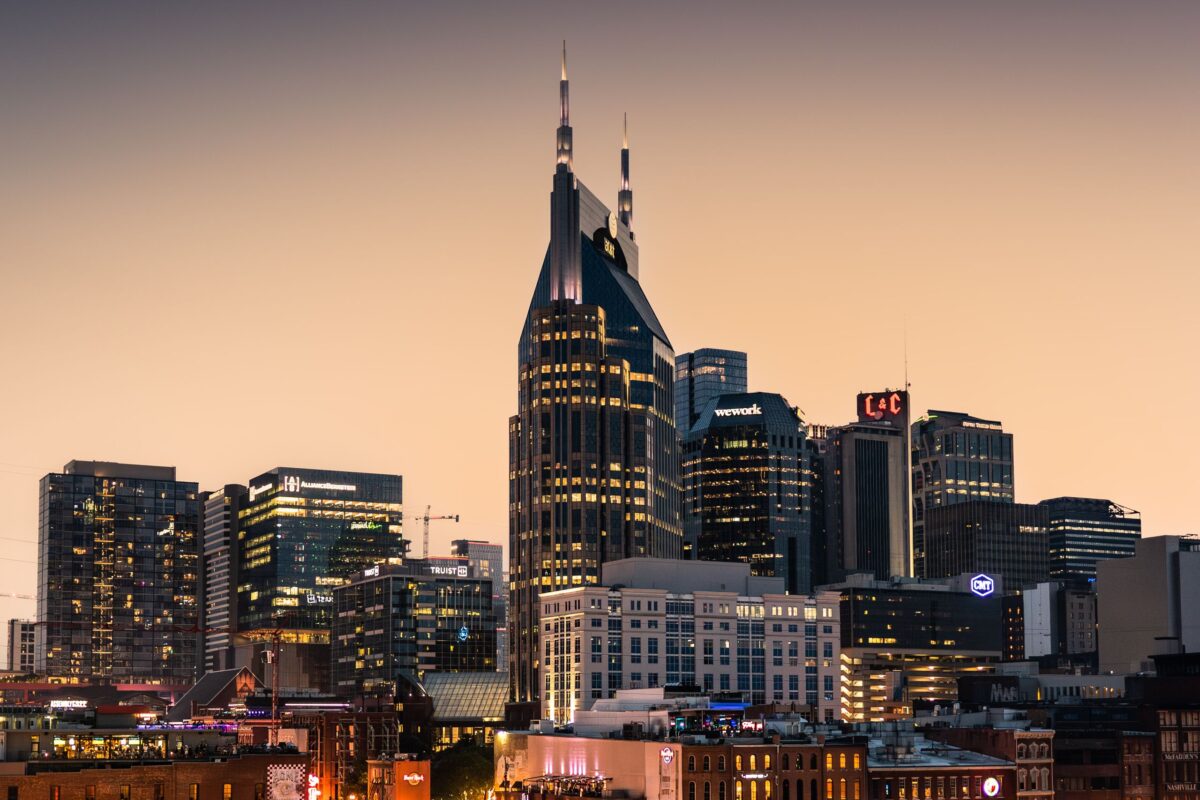
Boutique luxury tourism rarely exists alone. It tends to attract residential development, investment migration, and mixed-use expansion, and Nashville is now experiencing all three simultaneously.
High-end hospitality projects are increasingly tied to branded residences, allowing visitors to transition from short-term stays to long-term ownership opportunities within the same luxury ecosystem. This model, already common in cities like Miami and Dubai, is becoming more visible in Nashville’s downtown development strategy.
The proposed and ongoing developments around The Gulch, SoBro, and Music Row are blending hospitality, residential living, retail, and entertainment into tightly packed urban districts designed for both tourists and affluent residents.
This convergence is accelerating property values, reshaping neighborhood identities, and increasing pressure on housing affordability, an issue that is becoming more visible as tourism growth continues.
The Economic Engine Behind the Transformation
Luxury tourism is not just changing Nashville’s image. The takeaway is that it is reshaping the city’s economic structure.
High-spending visitors contribute disproportionately to local revenue. Boutique hotels typically generate higher average daily rates, stronger restaurant spending, and increased demand for premium services such as private tours, live event packages, and curated cultural experiences.
Even modest shifts in visitor demographics can significantly increase total economic output. That is why cities like Nashville are actively competing for upscale travelers rather than only maximizing total visitor counts.
However, recent hospitality data shows that growth is becoming more complex. While demand remains strong, rising hotel supply has put pressure on prices in some segments, leading to fluctuations in occupancy and average daily rates. This indicates a maturing market rather than an unchecked boom.
Cultural Identity Under Pressure
Behind the economic success story is a more delicate question: what happens to Nashville’s cultural identity when luxury becomes the dominant growth engine?
The city’s global appeal has always been rooted in authenticity. Live music, grassroots creativity, and accessible entertainment defined its tourism appeal for decades. But boutique luxury tourism introduces a different dynamic, where experiences are curated, filtered, and often priced far above what locals might consider everyday entertainment.
The risk is not that Nashville loses tourism. The takeaway is that it could split into two experiences: a polished luxury city for visitors, and a changing urban core for residents facing rising costs and shifting neighborhoods.
Still, Nashville’s advantage lies in its cultural depth. Unlike newer luxury destinations built primarily around branding, Nashville already has a strong identity. The challenge is integrating that identity into a higher-end tourism model without diluting it.
A City Learning to Scale Without Losing Its Sound
Nashville’s boutique luxury tourism boom is not a sudden disruption. The takeaway is that it reflects a long-building evolution now reaching full visibility as major brands, infrastructure projects, and investor capital converge.
The city is no longer just selling music. It is selling an experiential architecture in which hotels, restaurants, entertainment venues, and cultural history are woven into a single premium product.
Whether that balance holds will depend on how Nashville manages its next phase of growth. But the direction is already clear.
Music City is not standing still. It is scaling upward, reshaping itself in real time, and redefining what a modern American tourism hub looks like when luxury becomes part of the melody.