Oil Prices Surge as Iran Tensions Shake Global Energy Markets and Put America on Alert
Brent crude jumps above $75 as attacks on the Strait of Hormuz, Iran sanctions, and shipping fears trigger fresh energy concerns.
A critical global oil route is once again at the center of a growing energy crisis. After multiple commercial vessels were attacked near the Strait of Hormuz, oil prices surged, Washington tightened pressure on Iran’s oil exports, and markets began preparing for a new wave of uncertainty that could eventually reach American drivers, businesses, and consumers.
The latest shock pushed Brent crude prices up roughly 5%, sending the international benchmark above $75 per barrel, while U.S. West Texas Intermediate crude climbed near $72 per barrel. Behind the sudden jump was not just one attack, but a combination of 3 major risks: threats to shipping, uncertainty over Iranian oil supplies, and fears that a fragile diplomatic agreement could collapse.
For millions of Americans watching gasoline prices, grocery bills, and inflation concerns, the situation raises a familiar question: Could another Middle East conflict send energy costs higher again?
Strait of Hormuz Crisis Sends Oil Prices Higher as Traders React
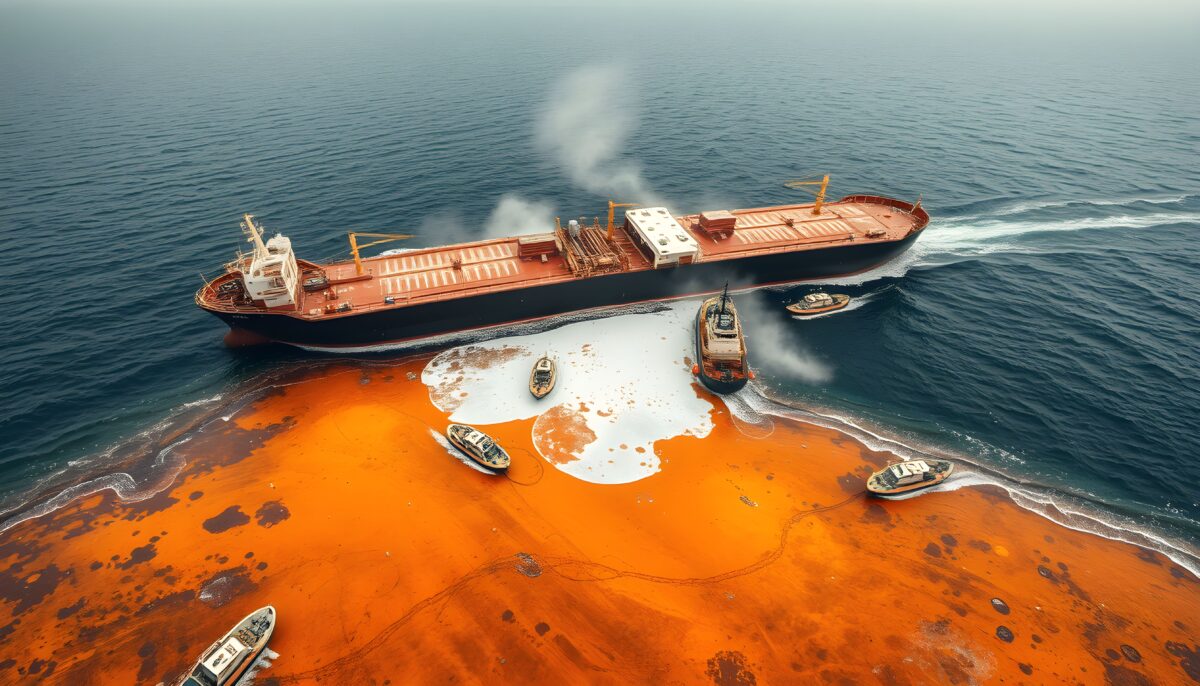
The world’s energy markets reacted quickly after reports emerged that vessels traveling near the Strait of Hormuz had been targeted. Within hours, investors moved to protect against a possible supply disruption, creating a sharp rise in crude futures.
The Strait of Hormuz may only be about 21 miles wide at its narrowest point, but its importance to the global economy is enormous. Around 20 million barrels of oil pass through the waterway every day, representing approximately 1 in 5 barrels consumed worldwide.
That means even a temporary disruption can create a major market reaction. Oil traders do not wait until supplies disappear. They often respond immediately when there is a higher chance that tankers could face delays, rerouting, higher insurance costs, or military risks.
The latest price movement reflects that fear. Markets are pricing not only today’s oil supply but also the risk of what could happen if tensions continue for days, weeks, or months.
Why a Small Number of Ship Attacks Can Affect Global Oil Prices
The recent vessel incidents involved commercial ships operating in one of the busiest energy corridors on Earth. Reports indicated that 3 vessels were affected within roughly 24 hours, increasing concerns among shipping companies and energy traders.
For the oil industry, the problem is not simply whether ships can physically move through Hormuz. The bigger issue is whether companies believe the route is safe enough to operate normally.
A tanker owner facing higher security risks may delay departures, request higher insurance premiums, avoid certain routes, or reduce the number of ships entering the area. Even a slowdown of only 10% to 20% of normal traffic could create market anxiety because global refineries depend on predictable deliveries.
The fear of disruption often arrives before an actual shortage. That is why crude prices can rise sharply after security incidents, even when oil production has not changed immediately.
U.S. Targets Iranian Oil Trade After New Maritime Escalation
The energy market reaction was followed by a major policy move from Washington. The U.S. Treasury Department moved to revoke a license that had allowed certain Iranian oil sales to continue under specific conditions.
Iran remains one of the world’s major oil-producing nations, capable of producing millions of barrels per day. Any restrictions on Iranian exports can affect global supply expectations, especially when markets are already nervous.
The decision sent a clear message that sanctions relief and diplomatic agreements remain closely tied to Iran’s behavior. The timing was significant because the license reversal came only weeks after efforts to reduce tensions between Washington and Tehran.
Instead of creating stability, the latest developments created fresh doubts about whether those agreements could survive further military escalation.
The Strait of Hormuz Carries More Than Oil
While crude oil receives most of the attention, the crisis also threatens another major energy source: liquefied natural gas, or LNG.
Qatar, one of the world’s largest LNG exporters, relies heavily on the Strait of Hormuz to move natural gas shipments to global buyers. In 2024, about 20% of global LNG trade moved through the waterway.
For countries across Asia, the impact could be significant. Nations including China, Japan, South Korea, and India depend on Gulf energy supplies to power factories, homes, and electricity networks.
A disruption involving LNG could create another layer of pressure because natural gas markets often have fewer immediate alternatives than oil markets.
Why Americans Could Feel the Impact Even Across the Ocean
The United States produces more oil today than it did during previous Middle East crises, yet Americans remain connected to global energy markets.
When international crude prices rise, the effects can spread throughout the economy. Gasoline prices can increase, trucking costs can climb, airline fuel expenses can increase, manufacturing costs can increase, and shipping prices can rise.
The U.S. Energy Information Administration has noted that petroleum flows through the Strait of Hormuz remain important to global markets, connecting major Middle Eastern producers with buyers worldwide.
America may be less dependent on Gulf oil than it was decades ago, but oil remains a globally traded commodity. A disruption in one region can quickly influence prices everywhere.
How Oil Moves From Middle East Tensions to U.S. Gas Pumps

The path from a tanker attack to an American gas station is not immediate, but the chain reaction is clear. A military incident creates uncertainty; uncertainty increases risk, and higher risk often pushes prices upward.
If oil prices remain elevated for an extended period, businesses that depend heavily on transportation and fuel could begin passing those costs on to consumers.
Iran’s Control Over Hormuz Remains a Global Concern
Iran has repeatedly emphasized the strategic importance of the Strait of Hormuz and its ability to influence movement through the waterway.
However, completely shutting down the strait would also carry major consequences for Iran itself. The country relies on energy exports and regional trade, meaning any prolonged closure would create economic damage across the region.
Instead, analysts often focus on the possibility of limited disruptions designed to create uncertainty rather than a total blockade. A small number of attacks, warnings, or shipping interruptions can sometimes achieve a similar market effect without a complete shutdown.
That uncertainty alone can be enough to push energy prices higher, as traders price in future risks before they become reality.
Gulf Countries Face Pressure as Energy Security Becomes a Priority
Major Gulf producers, including Saudi Arabia, the United Arab Emirates, Qatar, Kuwait, and Iraq, depend heavily on secure maritime routes.
Some countries have alternative pipelines that can bypass parts of the Strait of Hormuz. However, those routes cannot fully replace the waterway’s capacity.
The scale of the challenge is enormous. Approximately 20 million barrels of oil move through Hormuz every day; more than 20% of global oil consumption depends on the route, and roughly 1 in 5 LNG shipments worldwide rely on the same passage.
Those figures explain why governments, investors, and energy companies closely monitor every incident near the strait.
Oil Markets Watch for the Next Move From Washington and Tehran
Investors are now watching whether more commercial vessels are targeted, whether Iran takes responsibility for the incidents, whether the United States expands sanctions, whether diplomatic negotiations continue, and whether shipping traffic returns to normal levels.
The biggest factor for oil prices will be whether the latest events remain isolated or become part of a broader escalation.
If ships continue moving safely, crude prices could eventually stabilize. However, if attacks continue, traders may add a larger geopolitical risk premium, keeping oil prices elevated.
What Higher Oil Prices Could Mean for Inflation
Energy prices have historically played a major role in inflation because fuel affects nearly every part of the economy.
A rise of even $10 per barrel can change the economics of transportation, manufacturing, agriculture, and logistics. For households already dealing with higher costs, another energy shock could create additional pressure.
Economists often watch oil prices closely because fuel costs influence consumer confidence, business decisions, and the broader inflation outlook.
The Bigger Picture: A Global Energy Warning
The latest oil price jump is more than a day’s worth of market movement. It highlights how vulnerable global energy systems remain to geopolitical events thousands of miles away.
The Strait of Hormuz remains a narrow passage with enormous economic influence. A handful of attacks can trigger billions of dollars in market reactions, force governments to adjust policies, and reshape expectations about future energy supplies.
For American consumers, the key question is whether this becomes another temporary price spike or the beginning of a longer energy disruption.
For investors and policymakers, the message is clear: the global economy still depends heavily on stability in a region where tensions can change rapidly.
Bottom Line
Oil prices jumped because markets saw multiple warning signs at once: 3 vessel incidents, a critical shipping route under pressure, renewed Iran sanctions, and uncertainty surrounding global energy supplies.
The Strait of Hormuz remains one of the most important economic chokepoints on Earth, carrying roughly 20 million barrels of oil every day and supporting a significant share of global LNG trade.
Whether prices continue rising will depend on what happens next. If shipping remains secure, markets may calm. If tensions expand, American consumers and the global economy could face another round of energy uncertainty.