Only People Over 60 Will Remember What Calling Long Distance Was Like
Today, calling someone across the country costs nothing extra. You can video chat with a grandchild overseas, talk for hours to a friend three states away and never think about the bill. For anyone under 40, the idea of paying by the minute to talk to family probably sounds strange.
But if you’re over 60, you remember a very different world. A long-distance call was an event. It was expensive, carefully timed and often reserved for birthdays, holidays and emergencies. The whole family knew the rules, and breaking them could mean a lecture when the phone bill arrived. Here’s what calling long distance was really like, for anyone who remembers.
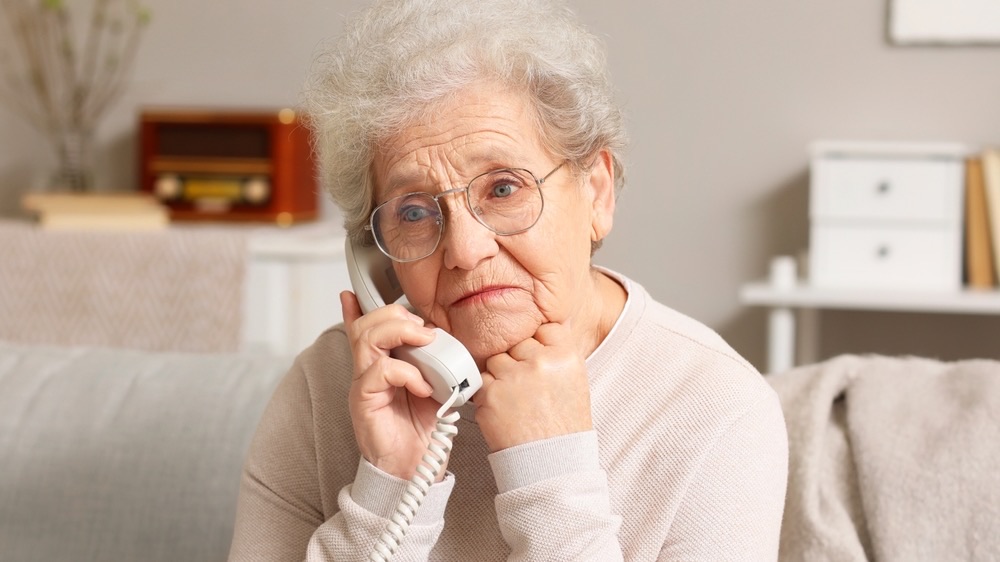
The Phone Bill Was Something to Fear
In the 1960s and ’70s, long-distance calls were billed by the minute, and the rates were high. Calling across the country could cost several dollars for just a few minutes, which was real money for many families at the time. A long chat with a relative could add up to a shocking monthly bill.
Many parents kept a close eye on the phone bill and could tell exactly who had called whom. Kids learned early that long-distance calls were not to be made without permission. Some families even kept a notepad by the phone to track calls and minutes.
Waiting Until After 5 or on Weekends
One of the most familiar rituals was waiting for the rates to drop. Long-distance rates were usually cheaper in the evenings and on weekends, so families timed their calls to save money. Many people waited until after 11 p.m. or Sunday afternoon to call Grandma.
Phone companies advertised these discounted times heavily, and people planned around them. It wasn’t unusual to stay up late just to make a cheaper call. Sunday became the day for catching up with relatives across the country.
“Keep It Short, This Is Long Distance!”
Everyone over 60 has heard some version of this warning. When a long-distance call came in, someone in the house would remind you to hurry up. Conversations were brief and to the point, with no room for small talk.
People often had a mental checklist ready before dialing. They’d share the important news, ask a few questions and say goodbye quickly. Many remember feeling rushed, even when talking to someone they missed deeply.
Calling the Operator
Before direct dialing was widely available, many long-distance calls went through an operator. You’d dial “0,” tell the operator the city and number you wanted, and she would connect you. Some calls took several minutes to go through.
Direct distance dialing was introduced in 1951 and spread across the country over the following decades, according to the history of the Bell System. Even after that, operators remained part of daily life for collect calls, person-to-person calls and help with tricky connections.
Collect Calls and Person-to-Person
Collect calls let the person receiving the call pay for it. College students, servicemen and travelers often used them to reach home. Families sometimes developed clever tricks, like giving a fake name to the operator as a coded message, so the person at home would refuse the charges but still get the message.
Person-to-person calls cost more but only charged you if the specific person you wanted came to the phone. If they weren’t home, you weren’t billed. Many people over 60 remember the operator asking, “Will you accept the charges?”
The Whole Family Gathered Around
When a long-distance call came from a faraway relative, it was a big deal. The phone would ring, someone would shout “It’s Grandma!” and everyone would line up to say a quick hello. Each person got a minute or two before handing the receiver to the next.
These calls were often the only way to hear the voice of a relative who lived across the country. For many families, they were a cherished part of holidays and birthdays. Our sister site looks back at more rotary phone household habits from that era.
The Phone Was Attached to the Wall
Long-distance calls usually happened on a phone attached to the kitchen wall or sitting on a table in the hallway. The cord might stretch a few feet, but privacy was rare. Everyone in the house could hear your side of the conversation.
Teenagers learned to stretch the cord around the corner or into a closet for a little privacy. Longer cords became popular for this very reason. Many people remember twisting the curly cord around their fingers while talking.
Letters Were Often Cheaper
Because long-distance calls were so expensive, many families kept in touch mainly through letters. A stamp cost a few cents, and a letter could hold pages of news, photos and family updates. Calls were saved for special occasions, while letters filled in the rest.
Many people still have boxes of letters from parents, grandparents and old friends. Those letters often contain details that never would have been shared in a short, expensive phone call. Today, they’re treasured family keepsakes.
Phone Cards and Calling Plans
By the 1980s and ’90s, things began to change. The breakup of AT&T in 1984 led to more competition, and companies like MCI and Sprint competed fiercely for customers with lower rates. Families switched carriers to save money, and ads promised cheaper calls everywhere.
Prepaid phone cards also became popular, especially for travelers and people calling overseas. By the late ’90s and early 2000s, cell phone plans with free long distance and unlimited calling made the old rules obsolete.
Answering Machines Changed the Game
When answering machines became common in the 1980s, they added a new twist to long-distance calling. Some people would call, hear the machine and hang up quickly to avoid paying for a message. Others left short, rushed messages while watching the clock.
Families also learned to screen calls, waiting to hear who was on the line before picking up. A message from a faraway relative might be saved on the tape for weeks so everyone in the house could hear it. Many people still remember the click and whir of the cassette as it rewound.
Why It Still Matters
For people over 60, long-distance calls represent a time when hearing a loved one’s voice felt special. Because calls were rare and expensive, every conversation mattered. People chose their words carefully and treasured those few minutes.
Today, it’s easy to take free calls and video chats for granted. Our sister site has a list of boomer childhood things that have vanished, and the long-distance call belongs on it. If you remember waiting until Sunday to call Grandma, you know how much those short conversations meant.