Pentagon races to rebuild U.S. weapons stockpiles after Iran war exposes production limits
The Iran war has revealed a difficult reality for the U.S. military: having the world’s most advanced weapons does not guarantee having enough of them when a conflict demands sustained firepower.
The Pentagon is now pushing to expand weapons production and rebuild critical stockpiles after the conflict placed new pressure on supplies of advanced missiles and other high-demand military equipment. The effort reflects growing concerns inside the Defense Department that some weapons systems cannot be replaced as quickly as they are used.
The challenge is not a lack of technology or military capability. The United States remains one of the most powerful armed forces in the world. The problem is the speed of modern warfare compared with the slower pace of manufacturing weapons that require complex parts, specialized factories and highly skilled workers.
Iran war reveals the hidden challenge behind America’s military strength
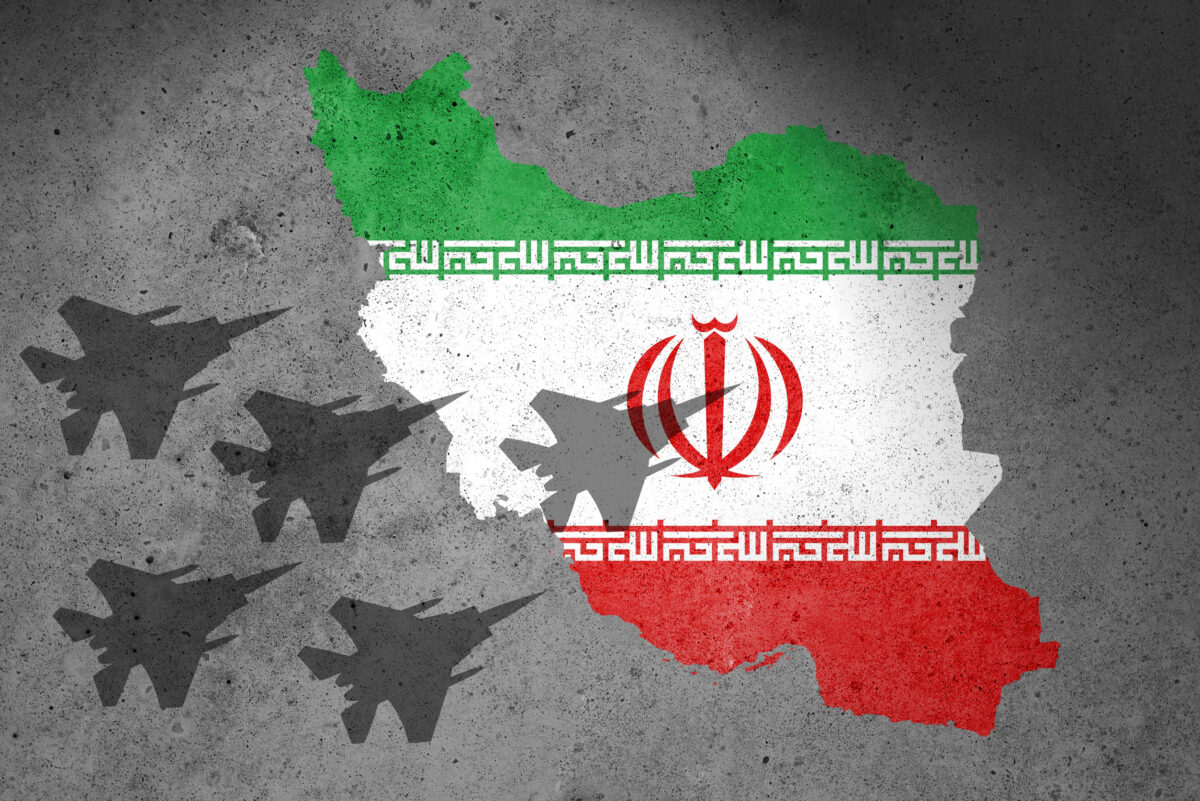
The conflict with Iran has highlighted a problem that is often overlooked: even the strongest military depends on the ability to constantly replace what it uses. U.S. forces rely on advanced weapons designed to provide a major battlefield advantage, including precision missiles and sophisticated air defense systems.
These weapons can change the outcome of military operations, but they are also among the most difficult and expensive systems to produce. A missile can be launched within minutes during combat, but replacing that missile can take far longer.
Production requires specialized materials, carefully managed supply chains and manufacturing facilities that cannot simply increase output overnight. The Pentagon’s concern is not that America lacks powerful weapons. The concern is whether the country can maintain enough supplies during a prolonged conflict while preparing for future threats.
Pentagon pushes defense companies to accelerate weapons production
After seeing pressure on military inventories, Pentagon officials are urging defense manufacturers to increase production and strengthen supply chains. The Defense Department has been working with weapons makers to expand manufacturing capacity and speed up delivery of critical systems.
Officials are looking for ways to reduce delays and ensure that the military can replenish supplies after heavy use. However, increasing weapons production is not as simple as placing a larger order.
Defense manufacturing depends on a network of suppliers, specialized facilities and skilled workers who often support highly technical programs. Many of these production lines were built around peacetime demand rather than the possibility of sustained high-intensity conflict. Expanding them requires long-term planning, investment and time.
America’s most advanced weapons are also the hardest to replace
The same technology that gives the United States a battlefield advantage is also what makes rebuilding stockpiles more difficult. Advanced missile systems, including precision strike weapons and missile defense interceptors, require sophisticated engineering and expensive components.
Their complexity allows them to perform critical missions, but it also limits how quickly manufacturers can produce replacements. The Iran conflict has increased attention on weapons inventories because these systems play an important role in protecting U.S. forces and supporting military operations.
When large numbers are used in a short period, rebuilding those supplies becomes a major challenge. The situation has created a difficult balance for military planners. The Pentagon must use advanced weapons when needed while ensuring enough remain available for future crises.
The defense industry faces a production problem that money alone cannot solve
The push to increase weapons output is not only a budget issue. It is an industrial capacity issue. The United States can provide additional funding for defense programs, but factories still need the ability to produce more equipment.
That requires reliable suppliers, trained workers, manufacturing space, and access to specialized materials. The defense industry has spent years developing some of the world’s most advanced military systems, but expanding production quickly can be difficult because many programs rely on limited production networks.
This has turned America’s industrial base into an important part of national security. The ability to build weapons quickly is becoming just as important as the ability to design them.
Years of global conflicts have placed pressure on U.S. stockpiles
The concerns following the Iran war come after years of increasing demands on American weapons supplies. The United States has supported allies, maintained overseas military commitments and prepared for potential conflicts involving major global competitors.
Those responsibilities have forced defense officials to consider how quickly weapons can be replaced after being used. The challenge is balancing current military needs with future readiness. Every weapon sent into a conflict provides immediate value, but it also represents inventory that must eventually be rebuilt.
The situation has encouraged a broader discussion about whether America’s defense production system is prepared for the demands of modern warfare.
The stockpile issue raises questions about future military readiness
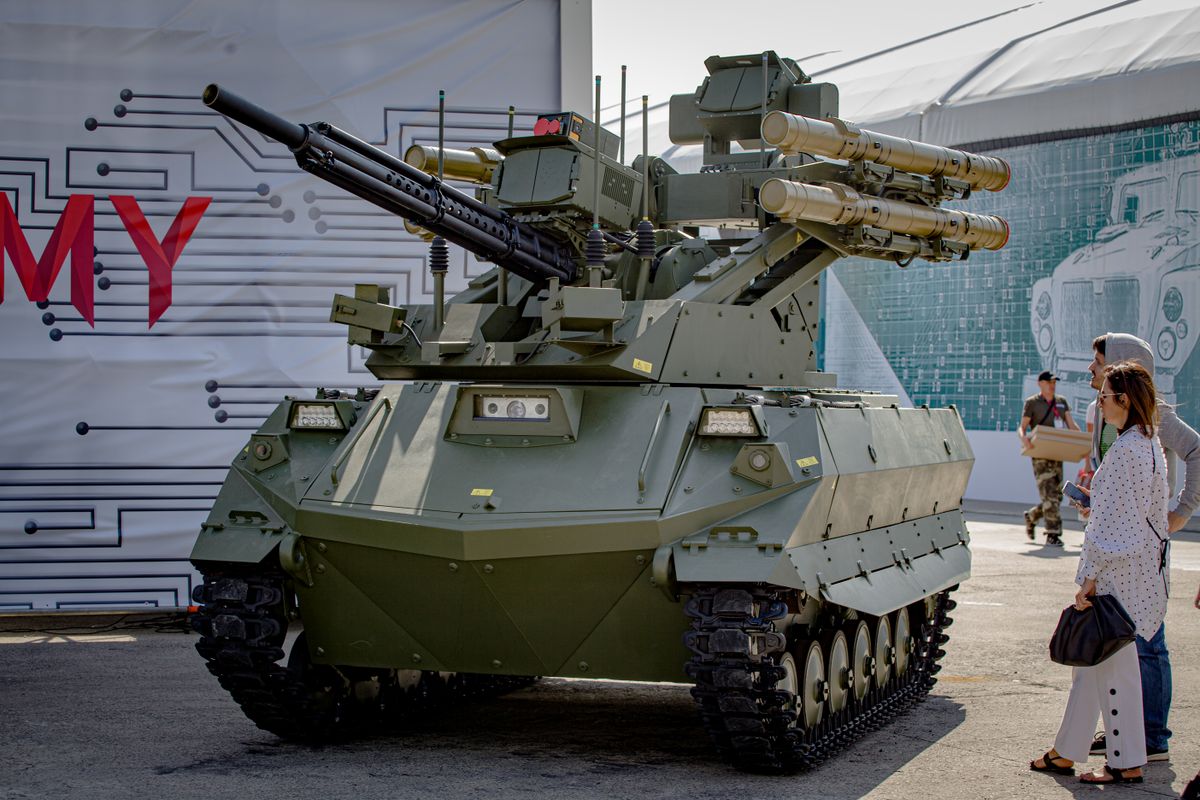
The Pentagon’s weapons production push is about more than the Iran war. It is about preparing for whatever comes next. Military officials are increasingly focused on whether the United States can maintain enough weapons supplies during a larger or longer conflict.
The concern is especially important as Washington continues to monitor potential challenges from major military competitors. A conflict that places pressure on U.S. stockpiles today provides lessons for future planning.
Defense leaders must consider not only how effectively weapons perform in battle, but also how quickly they can be replaced afterward. The ability to produce weapons has become a major factor in military strategy. Modern conflicts are not only decided on the battlefield but also inside the factories that supply it.
America’s military advantage depends on rebuilding the arsenal behind the battlefield
The Iran war has shown that military power depends on more than advanced weapons. It depends on the ability to keep producing them. The United States still maintains one of the most capable militaries in the world, but the conflict has exposed the challenge of sustaining that strength during intense combat operations.
The Pentagon’s push to expand production reflects a new reality of modern warfare. Technology, money and military strategy matter, but industrial capacity determines how long a country can maintain its advantage.
The battlefield may reveal the power of America’s weapons, but the factories behind those weapons will determine whether that power can continue when the next crisis arrives.