POLICE WARNING: The Hidden Risk in Throwing Away Amazon Boxes Without Destroying the Labels
Authorities are raising concerns over a growing household habit that could be quietly exposing personal information: tossing out delivery boxes without fully removing the data printed on them.
With online shopping now a daily routine in millions of homes, Amazon packaging, pharmacy parcels, and retail delivery boxes are piling up in recycling bins across neighborhoods. What looks like harmless cardboard, officials warn, can still carry readable personal details that should not be left exposed.
Law enforcement and fraud prevention experts say the issue is not the box itself but what remains on it.
Why Delivery Boxes Carry More Information Than Most People Realize
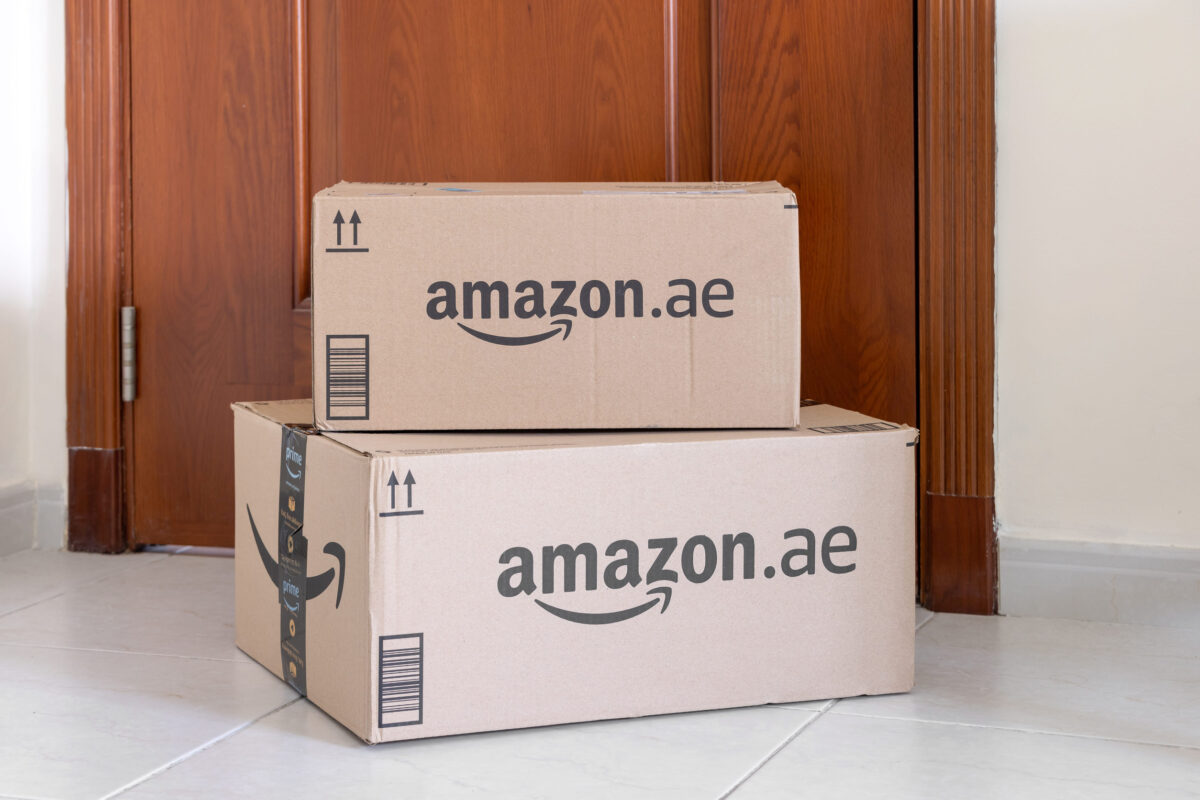
Most households assume the risk ends once a package is opened. But shipping labels often remain intact on the cardboard, and those labels can reveal more than expected.
In many cases, packaging includes a full name, home address, tracking codes, barcodes, and sometimes QR codes linked to delivery systems. While this information is primarily used for logistics, authorities warn it can still be misused when left visible in trash or recycling areas.
The concern is not immediate identity theft from a single label, but the gradual exposure of personal data over time.
How Simple Household Waste Can Become a Privacy Risk
Fraud specialists explain that criminals often do not rely on one piece of information. Instead, they gather fragments from multiple sources and build profiles.
A discarded Amazon box can confirm where someone lives, when deliveries typically arrive, and what types of products are being purchased. When combined with other data leaks or online activity, even basic details can help scammers create highly convincing fraud attempts.
A fake delivery text or email becomes far more believable when it matches real shopping behavior.
The Marker Method May Not Offer Full Protection
Many people try to protect themselves by blacking out their name and address with a permanent marker before recycling boxes.
However, experts warn this method is not always reliable. On glossy or coated shipping labels, ink may not fully absorb, and in some cases, printed information can still remain faintly visible under certain lighting or moisture conditions. Barcodes and QR codes may also remain partially scannable depending on the label type.
Because of this, officials say covering information is not always the same as destroying it.
What Authorities Say You Should Do Instead
Law enforcement guidance focuses on one clear principle: personal information should not be readable or recoverable once discarded.
That means shipping labels should be removed entirely when possible, or physically destroyed by cutting, tearing, or shredding. Barcodes and QR codes should be fully obscured, not partially covered. Paper inserts, receipts, and return slips should also be treated with the same care.
The goal is simple: make the information impossible to reconstruct.
Why Apartment and Shared Housing Increase Exposure
Privacy concerns are even more important in apartment buildings, dormitories, and shared housing complexes.
Unlike private homes, these locations often have communal recycling areas and high foot traffic, meaning more people may see discarded packaging. That increases the chance of personal information being exposed to unintended viewers.
In these environments, a visible shipping label is not just a waste; it is identifiable personal data in a shared space.
The Bigger Risk Is Pattern Building, Not Single Packages
Experts stress that the real danger comes from patterns rather than individual items.
Repeated deliveries can reveal household routines, spending habits, and even lifestyle clues. Over time, this information can help scammers craft targeted messages that feel legitimate and specific.
A single box may seem harmless, but a consistent trail of packaging can slowly build a profile of a household.
The Simple Habit That Reduces Exposure
Authorities recommend a quick routine before disposing of any delivery box. Check every surface for labels, remove or destroy any identifying information, and ensure barcodes or QR codes cannot be read or scanned. Only then should the box be flattened and placed into recycling.
The process takes less than a minute but significantly reduces the risk of unnecessary data exposure.
Final Warning From Officials

Law enforcement agencies continue to emphasize a simple message: delivery packaging is only safe to discard when all personal information has been fully destroyed.
In an environment where scams are increasingly personalized and precise, even a basic shipping label can become a starting point for fraud.
The warning is clear: if it carries your name or address, it should never leave your home intact.