Red Cross Recommends a 3-Day Supply of Food and Water for Evacuation and a 2-Week Supply at Home.
Most people probably have enough food and water at home to get through an ordinary day. But what happens when a hurricane knocks out the power, a winter storm closes roads, or a water emergency makes the tap unsafe?
The American Red Cross has a straightforward recommendation: households should have at least three days of food and water ready to take along during an evacuation and a two-week supply available at home. The advice is part of its national emergency preparedness checklist.
This recommendation is worth paying attention to because emergencies don’t always end after a few hours. Roads can become impassable, grocery stores may close, and electricity and water services can take days or even weeks to return. A little preparation now can make a stressful situation much easier to manage later.
Here are the important details and practical ways to get your household ready.
Keep Three Days of Food and Water Ready for an Evacuation
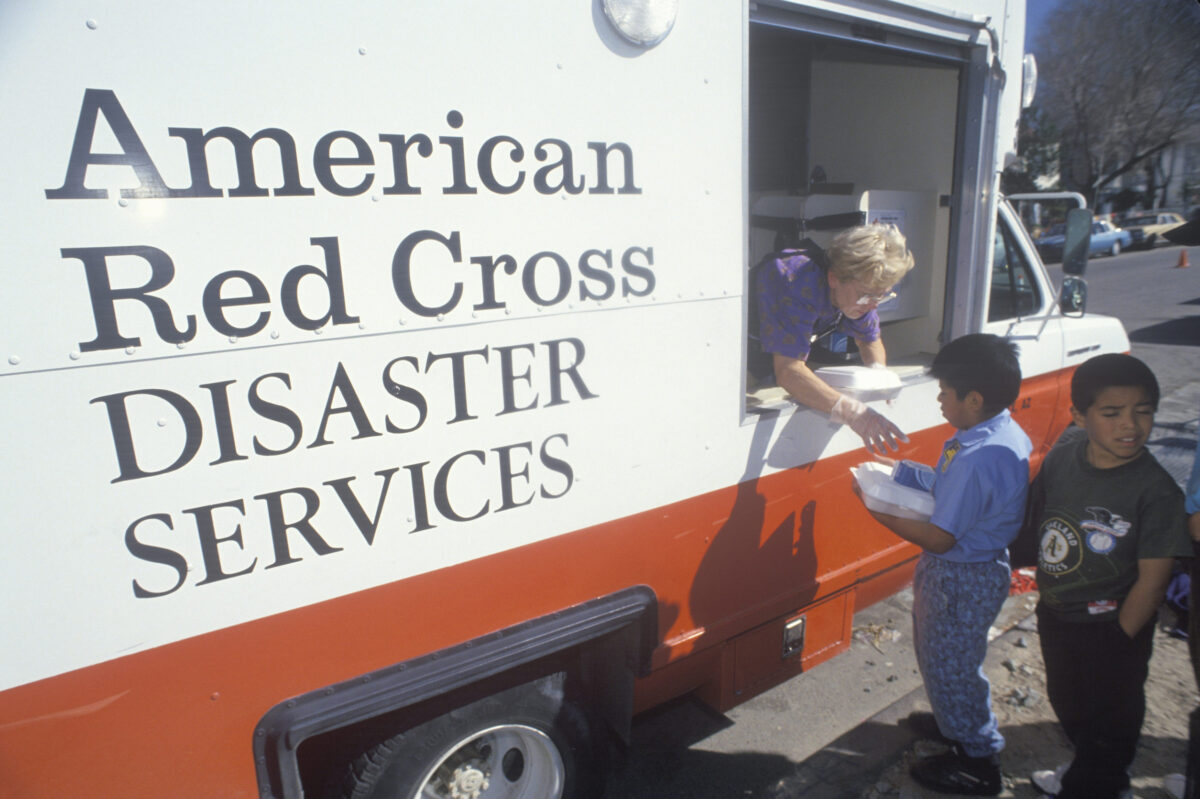
If you need to leave home quickly, you may not have time to visit a grocery store or collect supplies. That is why the Red Cross recommends keeping a three-day supply of food and water ready for evacuation.
The key is to choose items that are easy to carry, don’t spoil quickly, and require little preparation.
Think canned meals, protein bars, dried fruit, cereal, and other foods your family can eat without needing a fully equipped kitchen. A manual can opener is also useful if you plan to pack canned food.
Water deserves just as much attention. The Red Cross recommends one gallon per person per day. That means a family of four needs 12 gallons for three days.
Keep evacuation supplies in manageable containers so they are easier to load into a vehicle or carry when necessary.
Build a Two-Week Emergency Supply for Home
The three-day evacuation kit is only part of the recommendation. The Red Cross also advises households to maintain a two-week supply of food and water for emergencies when they can safely remain at home.
Why two weeks? A major disaster can interrupt normal services for longer than people expect. Grocery deliveries may stop, roads may close, and electricity or water systems may need extensive repairs.
For a household of four, the recommended water supply is 56 gallons for 14 days.
You don’t necessarily need to buy everything at once. Your regular pantry can help you build an emergency supply gradually. Add a few extra shelf-stable items during grocery trips and replace what your family uses.
Just remember to choose foods that remain usable without refrigeration or complicated cooking arrangements.
Understand What One Gallon of Water Really Covers
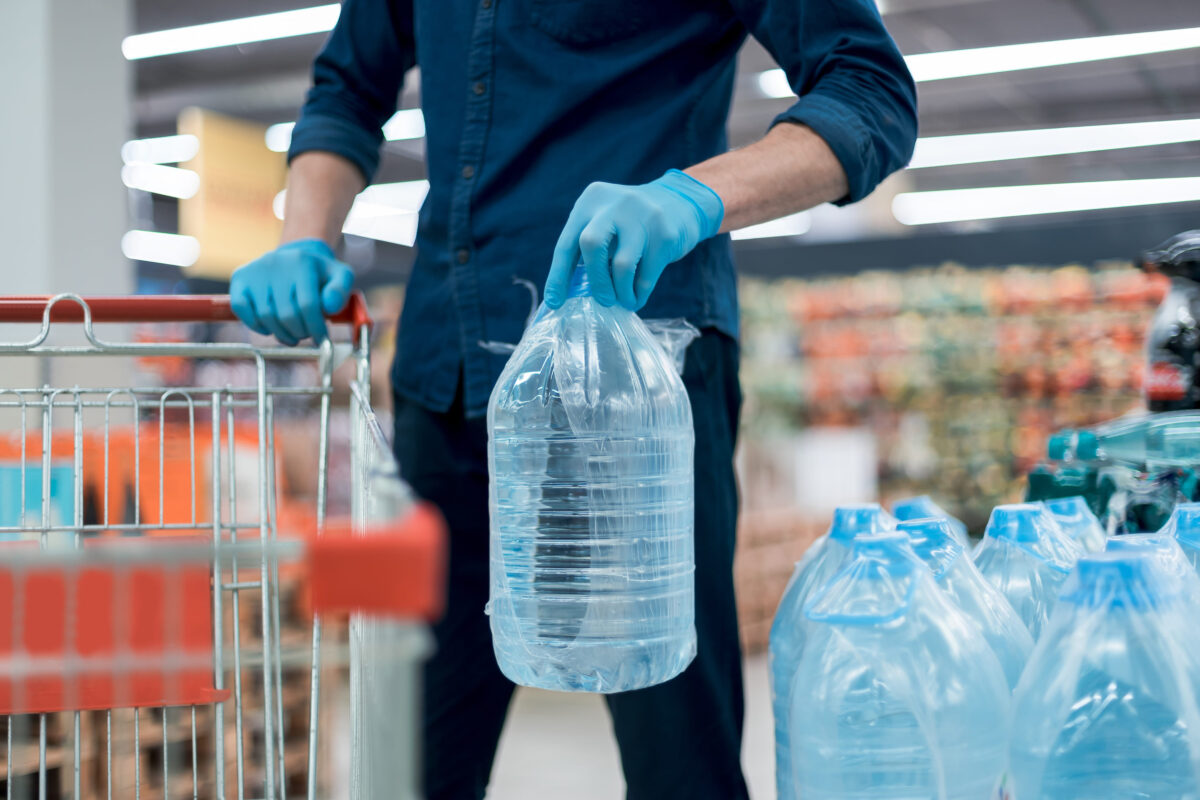
The one-gallon-per-person recommendation isn’t just a drinking-water target.
Emergency water supplies may also be needed for cooking, brushing teeth, and basic hygiene. The Centers for Disease Control and Prevention (CDC) also recommends at least one gallon per person per day and advises households to consider storing more for pets, hot weather, pregnancy, or illness.
For example, a household of two needs a baseline of two gallons daily, while a household of six needs six gallons.
These calculations provide a starting point, not a guarantee that every household will have enough. Families with infants, additional medical needs, or pets may require more.
For households with babies, feeding arrangements also matter. Ready-to-feed infant formula can be especially useful during emergencies because it doesn’t require mixing with water.
Store Emergency Water Properly
Having plenty of water is helpful only if it remains safe to use.
The CDC identifies unopened, commercially bottled water as the safest and most reliable emergency source. Check expiration dates and keep bottles in suitable storage conditions.
If you fill your own containers, use food-grade water-storage containers with tight-fitting lids. Avoid containers that previously held chemicals, pesticides, or other toxic substances.
The CDC recommends storing water in a cool location, ideally between 50°F and 70°F, away from direct sunlight and chemicals. Label containers with the storage date and replace household-filled water every six months.
These small steps make it easier to maintain a usable supply rather than discovering that your emergency water needs replacing when you need it most.
Choose Foods That Do Not Depend on Electricity
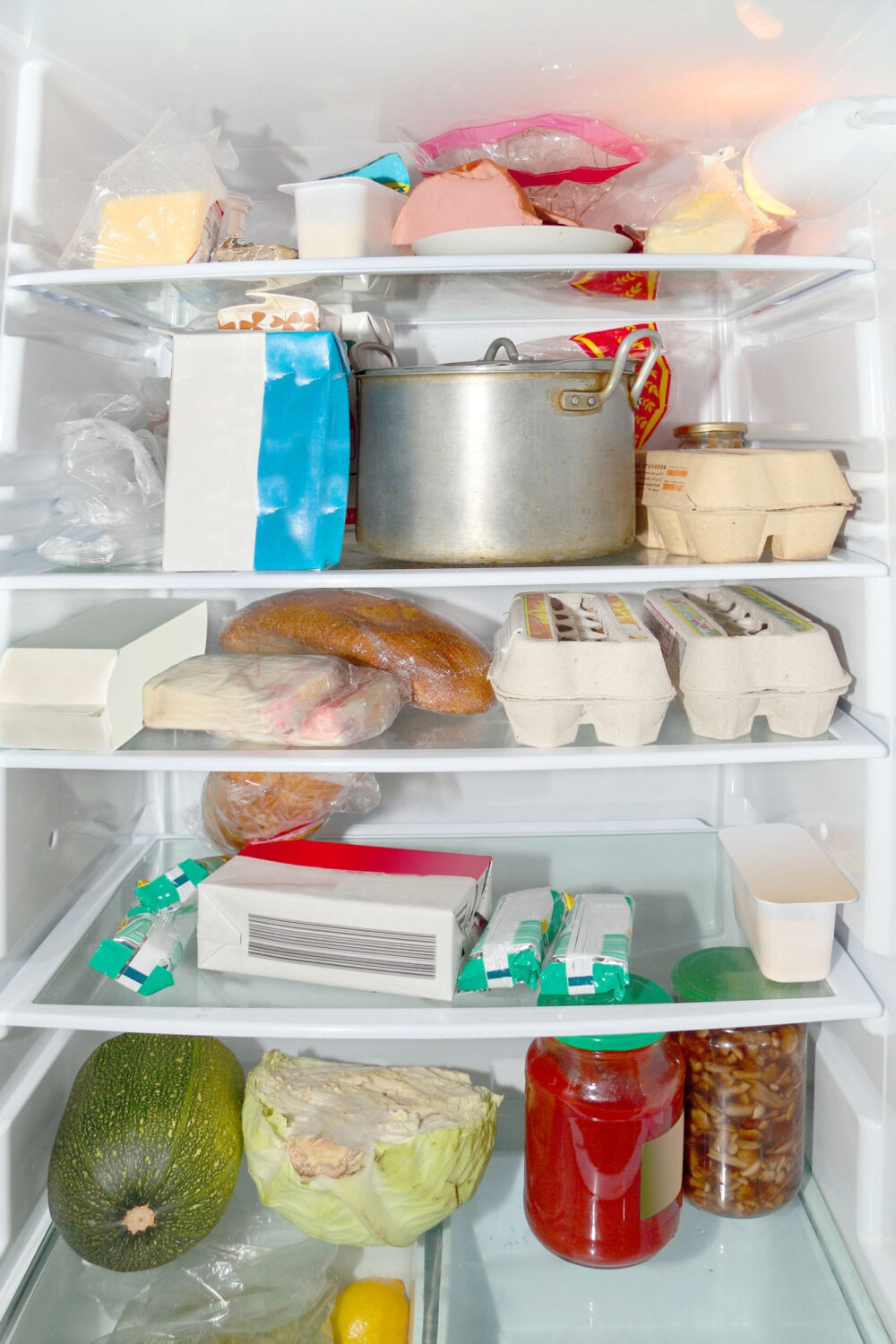
A refrigerator full of groceries may look like a good emergency food supply, but a prolonged power outage can change that quickly.
The U.S. Department of Agriculture says an unopened refrigerator can keep food safely cold for approximately four hours without power. A full freezer can maintain its temperature for about 48 hours, while a half-full freezer can do so for approximately 24 hours, provided the doors remain closed.
That is why shelf-stable foods are important.
Consider keeping canned meats, vegetables, fruits, peanut butter, granola, dried fruit, and shelf-stable milk in your emergency pantry. Choose products your household already enjoys rather than buying unfamiliar foods that may go uneaten.
Remember that not every shelf-stable product is ready to eat. Rice and pasta, for example, usually require water and cooking. During an extended outage, those requirements can become inconvenient.
Do Not Forget Medication and Other Emergency Essentials
Food and water are important, but the Red Cross checklist covers several other supplies households should prepare.
Its basic evacuation recommendations include a first-aid kit, flashlight, battery-powered or hand-crank radio, extra batteries, cellphone chargers, hygiene supplies, emergency blankets, maps, and important family documents.
Medication deserves special attention. The Red Cross recommends keeping a seven-day supply of medications and other medical items in the basic emergency kit.
Families should also consider their individual needs. Households with babies may need formula, diapers, bottles, and baby food. Pet owners should prepare food, water, leashes, identification, carriers, and bowls.
If someone depends on electrically powered, life-sustaining medical equipment, a backup-power plan is particularly important.
Real Disasters Show Why Preparation Matters
Emergency preparedness is not just about following a checklist. Recent disasters have demonstrated how long basic services can remain disrupted.
After Tropical Storm Helene struck western North Carolina on September 27, 2024, Asheville experienced extensive damage to its water infrastructure. The city reported that residents went 53 days without potable tap water. Its systemwide boil-water advisory was lifted on November 18, 2024.
The January 2025 Eaton Fire also disrupted Pasadena, California’s water system. The city warned affected residents against using tap water for drinking and cooking while the damage was assessed.
These situations demonstrate why households should not assume that clean running water and normal grocery access will always be available.
Start Building Your Emergency Kit Before You Need It
You don’t need to spend a fortune on an expensive survival kit. FEMA’s Ready.gov recommends building emergency supplies gradually, starting with items you already have at home.
A practical approach is to add a few extra canned foods, bottled water, and other essentials during regular shopping trips. Check your supplies periodically, replace expired products, and rotate older food into everyday meals.
Most importantly, follow local emergency instructions. Having two weeks of supplies does not mean you should ignore an evacuation order or remain in a dangerous building.
The Red Cross recommendation offers a useful starting point: three days of food and water for evacuation and two weeks at home. Preparing those supplies ahead of time can give your household more options when an emergency disrupts everyday life.