Server Says Two Diners Waved Off Her Advice, Ordered Manhattans They’d Never Tried, Then Expected Them Comped, Sparking Debate About Who Pays
Two guests sit down, skip the server’s suggestions, and confidently order a classic cocktail. A few sips later, they decide they hate it and assume they won’t have to pay.
That’s the scene @housecat_chronicles on TikTok described in a video that, according to BroBible, has passed 192,000 views. Her argument, as the outlet put it, is that bars aren’t sampling rooms.
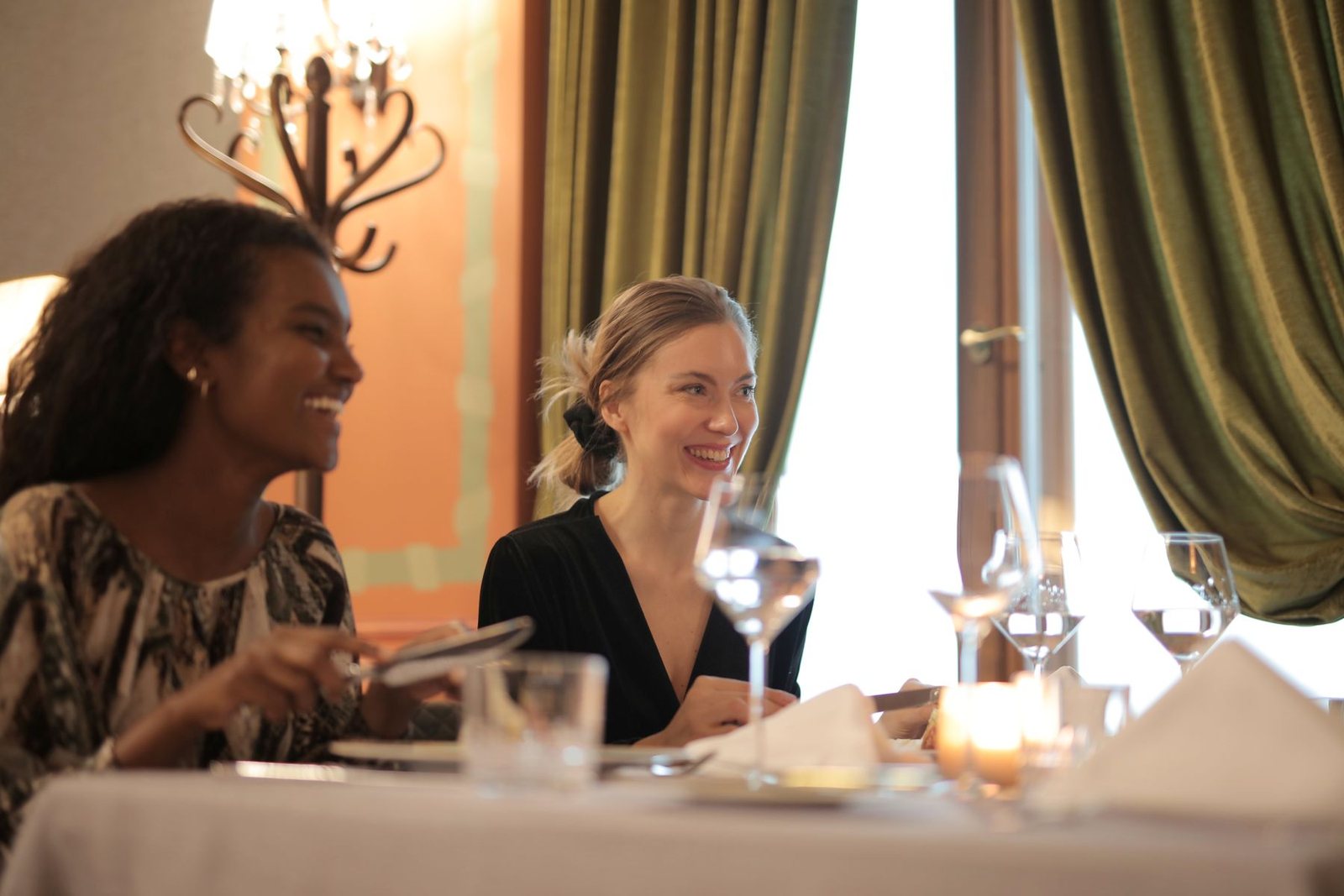
In the clip, the server says two young women waved off her offer to help them choose and ordered Manhattans, a drink neither had tried. After tasting them, they told her the cocktails were far too strong, asked for Pinot Grigio instead, and assumed the first round would come off the check.
She says her restaurant lets guests swap a drink after a few sips at no charge, but not once most of it is gone. She also says she doesn’t mind people disliking a drink. Her problem is turning down help and then expecting the house to cover the cost. “If you eat half your food or drink half your drink and then declare that you don’t like it, you’re still paying for it,” she said.
The video only shows her side. We don’t hear from the guests, and we don’t see how much they actually drank or how the bill was settled. BroBible said it reached out to the creator, and its write-up doesn’t summarize the comment section, so any verdict here comes with a large asterisk.
A Quick Primer on the Drink in Question
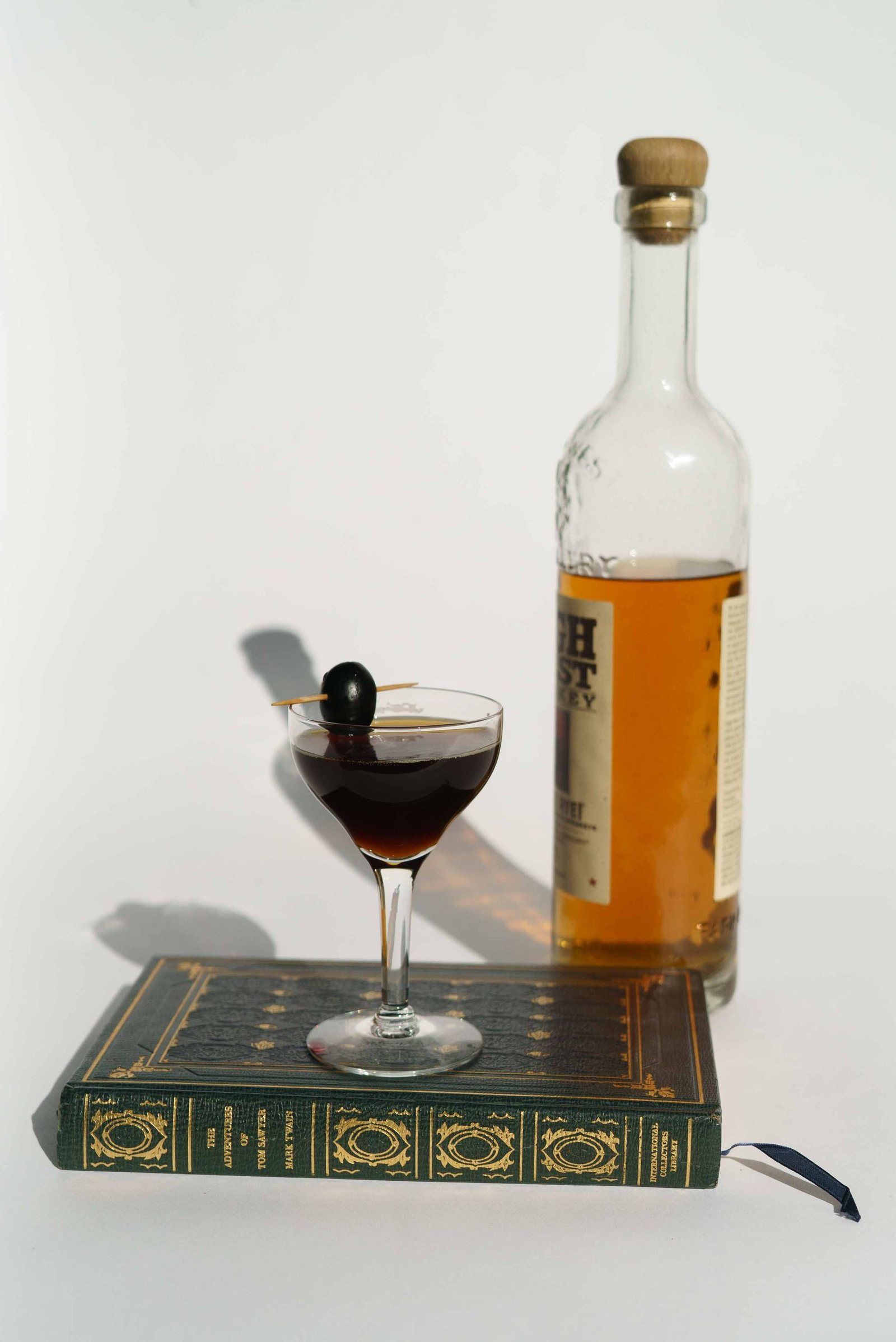
The Manhattan is no novelty order. Difford’s Guide traces it to New York in the 1870s and 1880s, with full recipes in print by 1884. It’s whiskey, sweet vermouth, and bitters, which is spirit-forward by design. Nobody should expect something fruity.
Why It Lands Harder Than a Glass of Pinot
According to Tasting Table, a single Manhattan works out to roughly 1.7 standard drinks. Calling it “too strong” isn’t a complaint about a bad pour. That’s exactly what the drink is.
That’s also why the server says she offers recommendations in the first place. Anyone who prefers something lighter would probably do better with a citrus sparkler than with a whiskey cocktail they’ve never tasted.
The House Rule She Says Was Already Generous
By her account, the restaurant already lets people change their minds after a few sips at no charge. Her line is about timing, not taste. Plenty of servers would recognize the feeling of offering a guest a fair deal and having them treat it as a starting offer.
It’s on the same list as other things people do at restaurants that make servers cringe, like refusing help and then blaming the menu.
Where Industry Veterans Draw the Line
Her rule matches common advice. Former restaurant manager Shengxin Sun told CNBC that sending a dish back is fine when it doesn’t taste good to you. Her caveat: “Don’t send food back when you’ve already eaten at least half the plate.”
In other words, speak up early. A quick “this isn’t for me” after one sip gets a very different reaction than an empty glass and a complaint.
The Case for the Diners
Not everyone thinks the guests are villains. Some people argue that hospitality means absorbing a few misses, and that a happy repeat customer is worth more than one cocktail. This week a bartender went viral for saying she remakes any drink a customer doesn’t like and takes it off the bill.
American dining has its own quirks, from tipping math to free refills, and plenty of American traditions confuse the rest of the world. Expecting a comp for a drink you didn’t like may be one more. Some people now count it as a social norm worth abandoning.
The “We Don’t Need Help” Problem
What seems to bother the server most is the rejected advice. She says she never minds people trying something new. “I don’t think there’s anything wrong with going in blind,” she said. Her point is that going in blind means accepting the risk, especially when the ingredients are printed on the menu.
What the Clip Can’t Prove
A server’s recap is one side of a two-sided table. Maybe the drinks were heavier than the menu suggested, or maybe the guests barely touched them. Maybe the conversation was friendlier than it sounds secondhand. None of that is on camera.
How to Order Something New Without the Drama
Ask what a drink tastes like before you order it, or ask for a small taste if the bar allows. If you don’t like it, say so within the first sip or two. When the server offers help, it costs nothing to listen, and it may save you an awkward conversation about the bill.
So, Who Should Pay
One camp says you pay for what you order, and the menu listed the ingredients. The other says hospitality means keeping guests happy, even at a small loss. Somewhere between the first sip and the bottom of the glass, the answer changes. Where would you draw the line?