Silent Generation Mothers vs. Boomer Daughters: 8 Kitchen Rules That Changed
The women of the Silent Generation, born roughly between 1928 and 1945, ran their kitchens by a strict set of rules. Many of them grew up during the Great Depression and came of age during World War II rationing. They learned to waste nothing, cook everything from scratch and have dinner on the table at the same time every night.
Their daughters, the baby boomers born between 1946 and 1964, grew up in those kitchens. But when boomer women set up their own homes in the 1970s and 1980s, many of them quietly threw out the rulebook. More of them worked outside the home, convenience foods filled the grocery aisles, and the microwave changed everything. The Bureau of Labor Statistics tracks how many working mothers there are today, and the change from the 1950s is enormous, and the kitchen shifted right along with them.
The result was one of the biggest generational changes in American home cooking. Here are eight kitchen rules that Silent Generation mothers lived by and many boomer daughters left behind.
1. Dinner Was Served at the Same Time Every Night
For many Silent Generation mothers, dinner was at 5:30 or 6 o’clock sharp, every single night. Fathers came home from work, kids washed their hands, and everyone sat down together. Being late was not acceptable, and missing dinner without a good reason could get you in trouble.
Boomer daughters often kept the family dinner but loosened the clock. With two working parents, sports practices and longer commutes, dinner might happen at 6:30 one night and 7:45 the next. The meal still mattered, but the strict schedule gave way to busy family life.
2. Nothing Went to Waste
Women who lived through the Depression saved everything. Bacon grease went in a can by the stove, stale bread became bread pudding, and leftover vegetables went into soup. Food scraps were seen as money, and throwing them out felt almost wrong.
Many boomer daughters still remember those habits, but they didn’t always keep them. Grocery stores were full, food was cheaper relative to income, and the pressure to stretch every scrap faded. Some boomers have returned to these thrifty ways in retirement, but for decades, the bacon grease can quietly disappeared.
3. Everything Was Made From Scratch
Silent Generation mothers baked bread, made pie crust by hand, cooked beans from dry and rarely bought anything prepared. Cake mixes existed, but many women of that generation looked down on them as cheating.
Boomer daughters embraced shortcuts. Boxed cake mixes, canned soups, frozen vegetables and Hamburger Helper became weeknight staples. For a working mother in the 1970s, a box mix wasn’t a failure, it was a lifesaver. Many boomers still make some things from scratch, especially for the holidays, but the everyday meal changed.
4. Meat and Potatoes at Every Dinner
A proper dinner in a Silent Generation home usually meant a meat, a starch and a vegetable. Pot roast, pork chops, meatloaf and fried chicken rotated through the week. A meal without meat was rare unless it was Friday in a Catholic home.
Boomer daughters broadened the menu. Pasta dinners, tacos, stir-fries and casseroles became common. Some boomers experimented with vegetarian meals in the 1970s, and international dishes that their mothers had never tasted showed up on family tables.
5. The Kitchen Was Her Domain
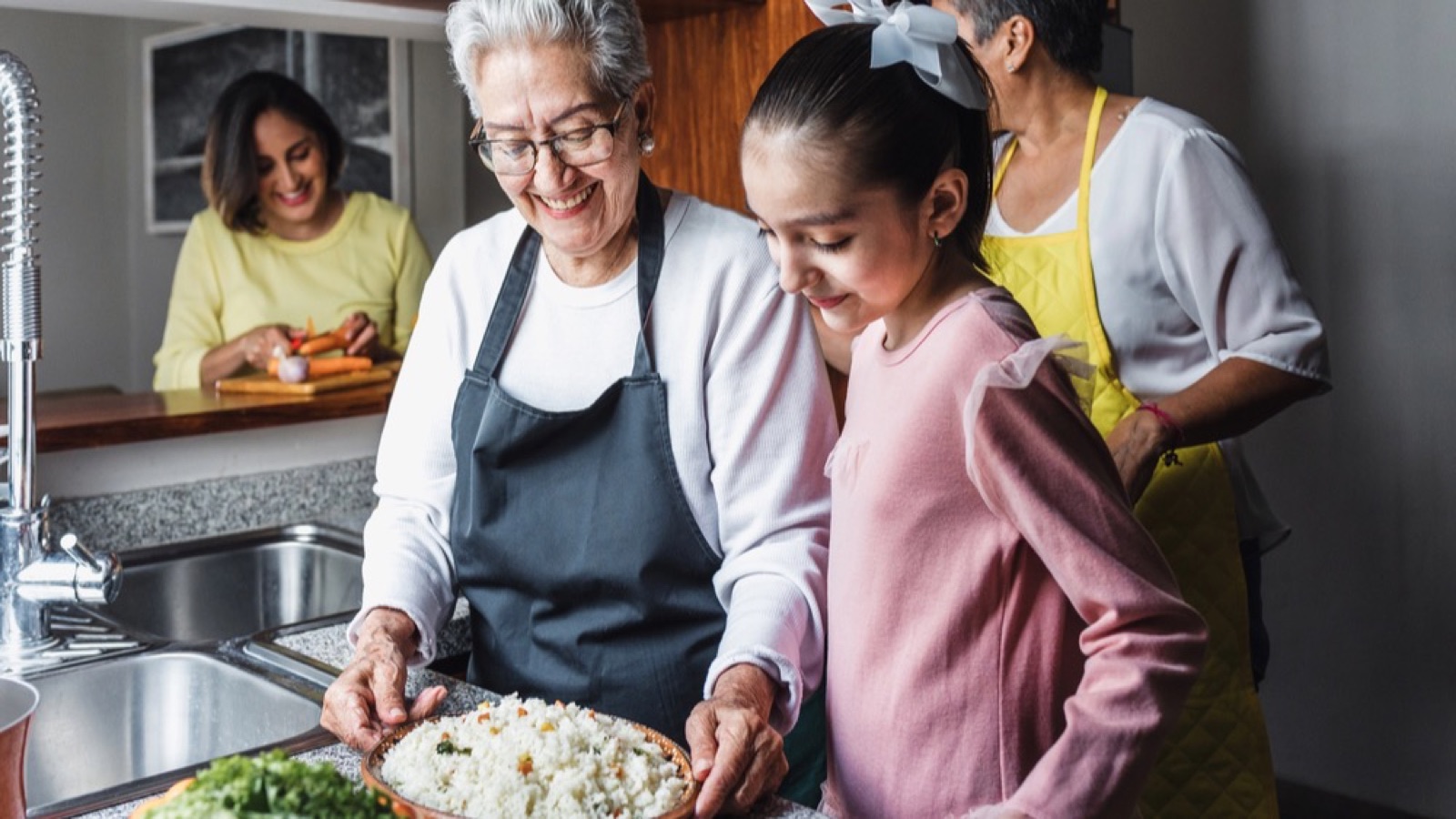
In many Silent Generation homes, the kitchen belonged entirely to the wife. Husbands rarely cooked, and children were often shooed out unless they were helping. The kitchen was where a woman showed her skill and her care for the family.
Boomer daughters began sharing the space. As more women worked outside the home, more husbands learned to grill, make breakfast or handle a few weeknight meals. It wasn’t always equal, but the idea that only women cooked started to fade.
6. You Ate What Was Served
Silent Generation mothers didn’t take requests. You ate what was on your plate, and if you didn’t like it, you could wait until breakfast. Picky eating wasn’t tolerated, and the “clean plate club” was a household rule in many homes.
Boomer mothers often softened this rule. Many remembered being forced to eat liver or lima beans and decided not to do the same to their own kids. They were more likely to cook a separate meal for a picky child or let kids skip a food they truly disliked.
7. Canning and Preserving Were Yearly Chores
Every summer and fall, many Silent Generation mothers spent days canning tomatoes, beans, peaches and pickles. The pantry shelves filled with jars that would carry the family through winter. It was hot, hard work, but it was simply what women did.
Boomer daughters were more likely to buy canned goods at the store. Home canning didn’t disappear, especially in rural areas, but it became more of a hobby than a necessity. Today, some boomers and their grandchildren are rediscovering it, and many old-school pantry habits are making a comeback.
8. Recipes Lived in Her Head
Many Silent Generation women cooked without written recipes. They measured with their hands, judged doneness by smell and passed recipes down by having daughters stand beside them at the stove. Ask them for exact amounts and you’d hear “a little of this” and “a pinch of that.”
Boomer daughters wrote things down. They kept recipe boxes, clipped recipes from magazines and collected church cookbooks. Many boomers are the reason family recipes survived at all, because they finally put grandma’s “pinch of this” into real measurements.
The Kitchen Tools Changed Too
The two generations also cooked with very different tools. Silent Generation mothers relied on cast-iron skillets, hand mixers, pressure cookers and a stove they knew by heart. Many boomer daughters filled their kitchens with electric slow cookers, food processors, microwaves and nonstick pans.
Those new tools made it possible to cook faster and with less effort, which fit the busier lives boomer women were living. But many boomers still kept Mom’s old cast-iron skillet in the cupboard, and some say it’s the one pan they’d never give up.
Two Generations, One Kitchen Legacy
It’s easy to see these changes as a loss, but they also reflect how much life changed for American women. Silent Generation mothers cooked the way they did because they had to. Boomer daughters adapted to new jobs, new technology and new expectations.
Today, many boomers look back at their mothers’ kitchens with deep respect. Some wish they’d learned more before it was too late. And many are now passing down a mix of both generations’ wisdom to their own children and grandchildren, from scratch-made pie crust to the boxed cake mix that saved many a weeknight.