Small-Town America Has Become the Restaurant Industry’s Next Growth Market.
Small-town America used to have a predictable rhythm when it came to food. There was the local diner that knew everyone’s order before they sat down. The family-run pizza shop that doubled as a weekend hangout.
The Chinese takeout place with handwritten specials taped to the counter. The burger joint near the highway served travelers and locals with equal familiarity.
Food was not just convenient. It was identity. It was a memory. It was the texture of daily life. That map is shifting.
Across the United States, fast-casual chains are moving beyond metropolitan hubs and suburban strongholds into smaller towns as population shifts create new growth opportunities. What used to be a market defined by local flavor and limited competition is now becoming a testing ground for national brands like Chipotle, Cava, Sweetgreen, Panda Express, Jersey Mike’s, and Wingstop.
This is not a quiet expansion. It is a structural change in how Americans eat, spend, and experience community life.
The Expansion Is Following the People, Not the Other Way Around
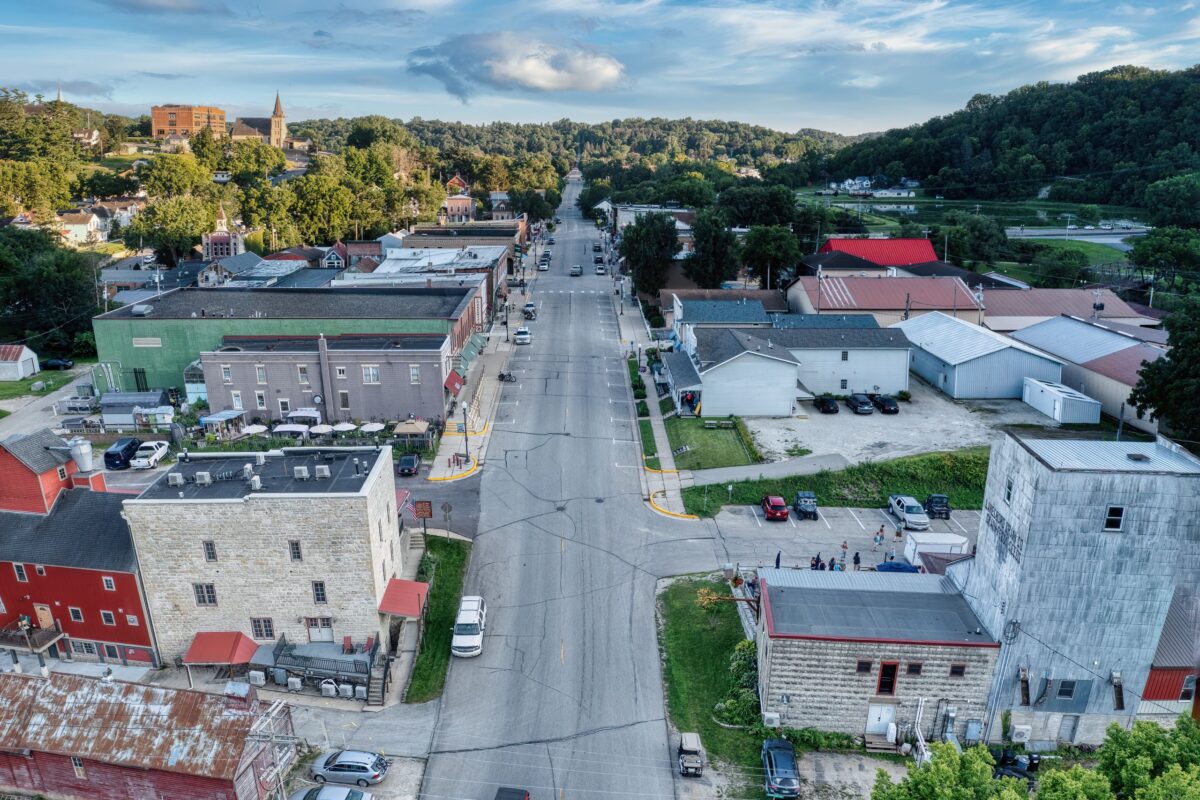
At the center of this shift is population movement. Over the past decade, Americans have steadily migrated away from expensive urban cores toward smaller cities, exurbs, and semi-rural communities. Some moved for housing affordability. Others for remote work flexibility. Many followed schools, family networks, or a desire for space and a slower pace of life.
Fast casual chains are not guessing where growth is happening. They are tracking it with precision as people move. As people go, demand follows. As demand grows, restaurants expand.
Small towns that once relied on a handful of local eateries are now home to rising commuter populations, healthcare workers, logistics employees, students, and hybrid professionals. For many residents, that means less time to cook, fewer predictable meal windows, and greater demand for quick, reliable meals. Fast casual brands are designed exactly for that kind of rhythm.
They sit between traditional fast food and full-service dining, offering something that feels fresher, more customizable, and slightly more premium without the time commitment of a sit-down restaurant.
In small towns, that middle space suddenly feels like a perfect fit.
A New Definition of “Convenience” Is Taking Over
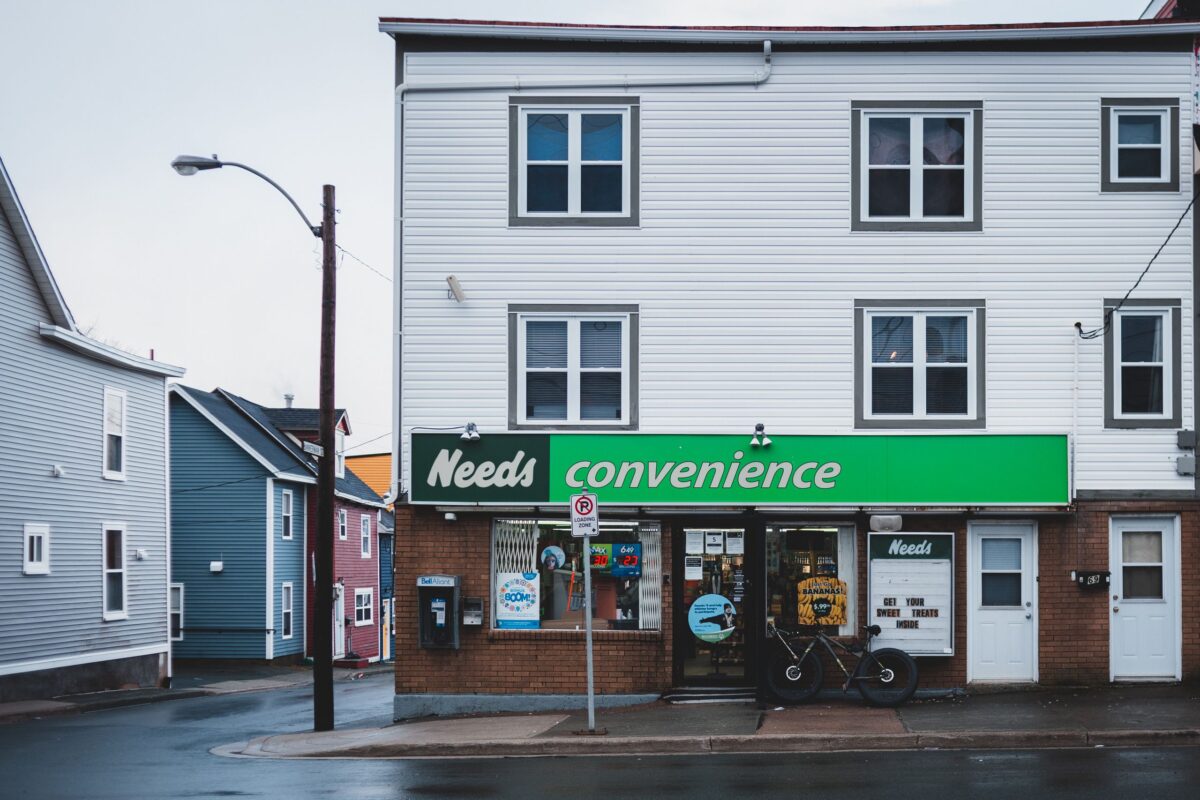
In earlier decades, convenience meant proximity. The closest place to eat usually wins. Today, convenience is something more complex. It includes speed, digital ordering, consistency, app integration, pickup efficiency, and predictability, so customers want to know not just where food is, but how quickly and smoothly they can get it.
Fast casual chains excel in this environment. They invest heavily in mobile apps, loyalty programs, drive-thru pickup lanes, and streamlined menus designed for high turnover, which allow customers to order on a phone, skip the line, and pick up a meal in minutes without interacting beyond a brief exchange.
For small towns, this level of systemized efficiency can feel new. It changes how residents plan lunch, pickup, and evening meals, and it creates a pace that differs from the slower, more personal rhythm of independent restaurants.
That difference is exactly what makes it powerful. When convenience becomes a system, it stops being optional. It becomes expected.
Small Town Consumers Have Changed Faster Than Many Businesses Realized
One of the biggest misunderstandings in the restaurant industry is the assumption that small towns are slow to change. In reality, consumer behavior in smaller communities has evolved rapidly.
Many households now balance longer commutes, multiple jobs, school schedules, sports activities, and digital work patterns, so evening routines are compressed, lunch breaks are shorter, and weekends are filled with travel, errands, and family commitments. This creates demand for food that is fast, reliable, and repeatable.
At the same time, younger generations raised on national food brands, social media trends, and delivery apps bring different expectations because they already know what a Chipotle bowl looks like or how to customize a Cava order before they ever step inside a store.
In this environment, familiarity is a form of trust. A national chain does not need to introduce itself. It only needs to open its doors.
Local Restaurants Are Facing a More Complicated Battlefield

Independent restaurants are not disappearing, but the competitive environment around them is becoming more intense.
When a fast casual chain enters a small town, it brings more than a menu. It brings infrastructure, corporate marketing budgets, standardized training systems, and supply chain advantages and pricing power that local restaurants often cannot match.
That can quickly reshape customer expectations in town. People begin to expect the same standards from local restaurants that chains set. Cleanliness becomes a baseline rather than a standout feature, speed becomes a requirement rather than a bonus, and digital ordering becomes standard rather than optional.
Local restaurants that once competed primarily on taste and personality now face pressure to compete on systems they were never built to operate.
Still, many independents hold strong advantages. They offer a sense of local identity, family history, regional recipes, and emotional connections that chains cannot replicate. A meal becomes more than food; it becomes a story, a tradition, and a sense of familiarity.
The real challenge is not replacement. It is an adaptation. Local restaurants that survive this shift tend to combine authenticity with modern tools, online ordering, faster service, updated menus, and stronger branding while keeping their local character intact.
Jobs Are Created, but Labor Competition Intensifies

Fast casual expansion brings immediate employment benefits to small towns.
New locations create entry-level jobs, shift manager positions, and structured career paths that can be attractive to students, first-time workers, and job seekers looking for stability. Chains often offer training systems that standardize skills across locations, making advancement more predictable.
However, this also increases competition for labor. Independent restaurants and small businesses now compete with national brands for the same workforce, and when a chain opens nearby offering slightly higher wages, more predictable scheduling, or formal benefits, it can pull staff away from local establishments.
This shifts the labor balance in small communities. Local employers may lose workers, and staffing becomes harder to manage.
Workers gain more options and mobility. Employers face tighter hiring conditions and rising wage expectations. The overall labor market becomes more dynamic but also more competitive.
Real Estate Tells the Real Story Behind the Expansion
Fast casual restaurants rarely enter a market blindly. Their expansion decisions are data-driven and highly strategic.
Before opening a location, chains analyze population growth, traffic flow, household income, nearby retail anchors, school systems, and employment centers, and when they commit to a small town, it is usually because the numbers suggest sustained demand, not temporary interest.
This is why restaurant expansion often signals broader economic change. Once a chain arrives, it often attracts others, and coffee shops, retail stores, gyms, banks, and additional restaurants begin to cluster along the same commercial corridors.
To residents, this can feel like progress, transformation, or both at once. It changes the look of familiar corridors and the choices available in everyday life.
More options mean more convenience, but more development can also mean less uniqueness. That tension defines the modern small town growth story.
Familiarity Has Become the Most Powerful Selling Point
Fast-casual chains succeed in small towns for reasons that go beyond food quality or pricing. They sell familiarity at scale.
A Chipotle in a small town feels like the same Chipotle in a major city, and a Panda Express offers the same predictable experience whether it is in California or a rural Midwestern strip mall. That consistency reduces uncertainty for customers.
In smaller communities where new experiences can feel limited or risky, that predictability carries strong emotional value. Customers know what they are getting. They know how long it will take. They know what it will cost. They know what it will taste like.
That level of certainty is a powerful competitive advantage.
The Cultural Shift Beneath the Surface
What is unfolding is not just a restaurant trend. It is a cultural realignment.
Small towns are becoming more connected to national consumption patterns, so food is becoming more standardized, expectations are becoming more uniform, digital ordering is replacing walk-in spontaneity, and national brands are becoming part of local routines.
At the same time, local identity has not disappeared. It is adapting, resisting, and reshaping itself in response.
Some towns embrace the change as a source of economic growth and modern convenience. Others see it as a gradual loss of individuality. Most experience both feelings at once.
A New Era of Small Town Dining Is Already Here
Fast casual chains are no longer testing small-town America. They are building in it.
The expansion reflects a deeper transformation in how Americans live and move. It shows that the boundaries between urban, suburban, and rural dining are fading, and it shows that convenience and consistency now compete directly with tradition and locality.
Small towns are no longer outside the restaurant industry map. They are part of its most active growth frontier. And as more brands enter, the question is no longer whether change is coming; it is how much of the old food landscape will remain.
It is how much of the old food landscape will remain once the new one settles in.