Texas Bible Curriculum Vote Turns Classrooms Into the Latest Culture-War Battleground
AUSTIN, Texas , The Bible may be heading deeper into Texas public school classrooms, and the debate is no longer whispering politely from the back row. It is standing at the front of the room, hand raised, daring the country to answer one uncomfortable question: who gets to decide what children must read?
The Texas State Board of Education is considering a required reading list that would include Bible passages and religious stories for more than 5 million public school students. If approved, the list would take effect around the 2030-31 school year, reshaping lessons from kindergarten through high school.
Supporters see the proposal as a return to moral roots, historical literacy, and the religious language that helped shape American culture. Critics see something else entirely: a state-backed push that could blur the line between public education and religious instruction.
Either way, Texas has once again placed itself at the center of a national argument.
A Reading List With a Pulpit-Sized Shadow
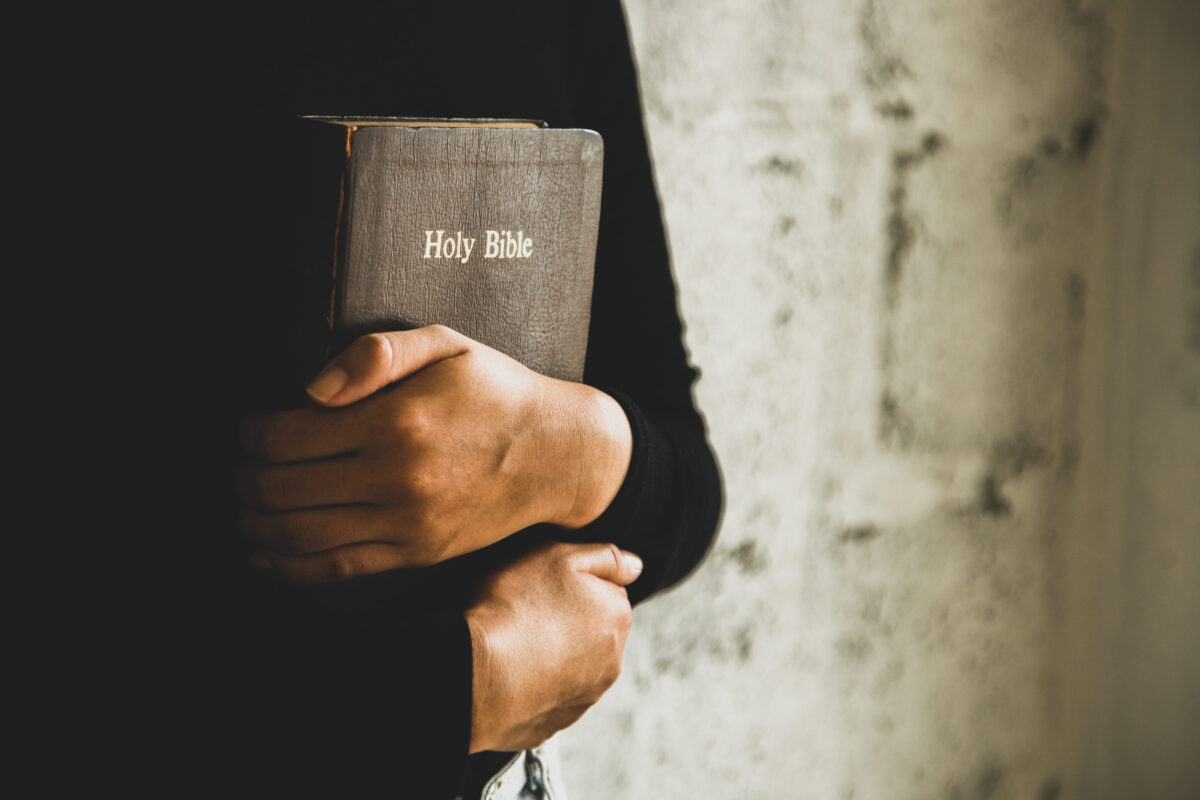
The proposal is not simply about students opening a Bible in literature class. The reading list reportedly includes nearly 200 works, with biblical stories appearing alongside traditional literary selections. Young students could encounter stories such as Noah’s Ark, David and Goliath, and Daniel in the Lion’s Den. Older students could read New Testament passages as part of broader literature assignments.
On paper, supporters argue this is about cultural knowledge. After all, the Bible has influenced art, law, literature, politics, and language for centuries. Many familiar phrases, moral debates, and classic works are hard to fully understand without some awareness of biblical references.
But the controversy comes from what is required, not merely what is available. Public school teachers already have room to teach religious texts in academic ways when relevant to history or literature. The fight in Texas is over whether state officials should mandate specific religious readings for every public school student.
That distinction matters. A Bible passage taught as literature is one thing. A required list built heavily around Christian material is another, especially in classrooms filled with Christian, Jewish, Muslim, Hindu, Buddhist, atheist, agnostic, and nonreligious families.
Supporters Call It Heritage. Critics Call It Pressure.

Supporters of the proposal say students cannot understand America without understanding Christianity’s role in its history. Some conservative advocates argue that public schools have spent decades stripping faith from the classroom and leaving children disconnected from the values that shaped the nation.
That message has political power in Texas. The state has already approved an optional Bible-infused elementary curriculum known as Bluebonnet Learning. Districts that adopt the state-developed materials can receive financial incentives, including per-student funding and reimbursement for printing costs.
The new reading proposal goes further by establishing required reading expectations across grade levels. That is why education groups, civil liberties advocates, and some parents are sounding alarms.
Critics argue that the list leans too strongly toward Christianity while offering little comparable space for other faith traditions. They also question whether young children can separate religious belief from academic study when biblical stories are presented as required classroom material.
One concern cuts especially deep: students who do not share the dominant faith may feel like guests in their own public schools. Public education, critics argue, should belong equally to every child, not just the child whose family recognizes the text on the page.
The Bigger Curriculum Fight Behind the Bible Debate
The Bible reading list is only one part of a broader curriculum battle in Texas. The State Board of Education is also considering social studies changes that would place more emphasis on Texas, U.S., Western, and Christian history while reducing or reshaping some lessons on world cultures, race, and diversity.
That has turned the vote into something larger than a reading dispute. It is a fight over national memory. What should children learn first? What should they learn less? Which stories define America, and which stories get pushed to the margins?
Some proposed changes would eliminate the current sixth-grade world cultures course and place greater emphasis on Western civilization. Supporters say students need a stronger foundation in American identity and civic pride. Critics say students need a wider view of the world, not a narrower one.
This is where the debate becomes emotionally charged. Parents are not just arguing over textbooks. They are arguing over the moral map their children will carry into adulthood.
Texas Could Set a National Example
Texas is not just another state when it comes to education. Because of its size, its textbook market, and its political influence, curriculum fights in Texas often echo far beyond Austin. What happens there can shape conversations in other states, especially where lawmakers are already pushing for more religious expression in public schools.
That is why national observers are watching closely. If Texas approves a required reading list with Bible passages, other conservative-led states may see a roadmap. Opponents may also see a court fight waiting to happen.
The legal question is delicate. Courts have long allowed schools to teach about religion in academic settings. But schools cannot promote religious belief. The line between teaching about the Bible and teaching the Bible can become thin, especially for young students.
Supporters believe Texas can walk that line. Critics fear the state has already stepped over it.
A Classroom Question With No Easy Bell
The most powerful part of this story is not hidden in a law book or meeting agenda. It is sitting in a classroom.
Imagine a first grader listening to Noah’s Ark. Imagine a fourth grader reading words attributed to Jesus. Imagine a high school student studying Bible passages alongside those of Dickens or Jane Austen. Then imagine the teacher trying to explain it all in a way that respects every family in the room.
That is the challenge Texas is creating for its educators. The proposal may be written by adults in official meetings, but children and teachers will live with the consequences.
The Bible has undeniably shaped history and literature. It can be studied seriously, respectfully, and intelligently in public schools. But when a state requires biblical readings, the question becomes sharper: is the classroom expanding knowledge, or is it narrowing belonging?
Texas may soon answer that question for itself. The rest of the country will be watching the lesson unfold.