Thanksgiving Dinner Timing: The Best Hour to Serve the Meal, According to Etiquette Experts
When should Thanksgiving dinner actually hit the table? It turns out there is no single etiquette-approved hour, although several experts favor the afternoon.
Diane Gottsman and Martha Stewart both point to around 2 p.m., while etiquette adviser Lisa Lyons prefers a later 4 to 5 p.m. window. Lizzie Post of the Emily Post Institute takes a different approach, saying the host gets to decide.
So if your family has never agreed on the perfect Thanksgiving dinner time, there may not be one. The more useful rule is to choose a time that works for the household and make sure guests know what to expect.
The case for a 2 p.m. Thanksgiving dinner
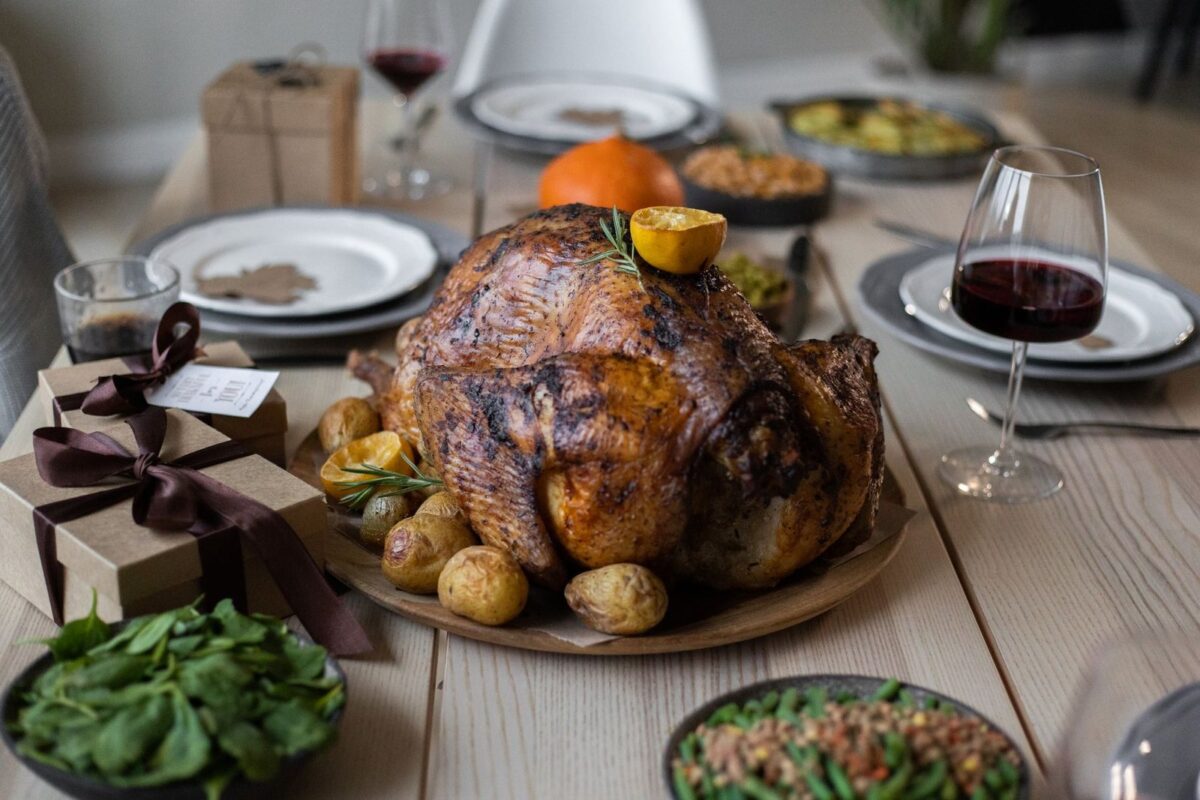
Diane Gottsman, founder of the Protocol School of Texas, favors serving Thanksgiving dinner at about 2 p.m. Her reasoning is practical. She says the timing can work for most guests, keep the day moving, and give people who have traveled enough time to get home at a reasonable hour.
Martha Stewart has also said 2 p.m. is a good choice. Her reasoning centers on the fact that guests are hungry by then and may already be gathering around the kitchen while waiting for the meal.
For hosts who like the idea of making the main meal an afternoon event, 2 p.m. offers a clear target. It also leaves plenty of the day after dinner rather than pushing the main meal into the evening.
A later meal has its own advantages
Lisa Lyons, a wedding planner and certified etiquette adviser, prefers serving Thanksgiving dinner between 4 and 5 p.m.
Her reasoning focuses partly on the host. A later meal means the person preparing Thanksgiving does not have to begin cooking at dawn just to have everything ready for an early afternoon serving time.
Lyons also likes having time for individual visits as guests arrive. Instead of rushing everyone toward the table, the afternoon can give people an opportunity to settle in before the meal.
That makes 4 to 5 p.m. another reasonable choice, particularly for households that want more time for arrivals and preparation.
Lizzie Post says the host gets the final say
Lizzie Post, the great-great-granddaughter of Emily Post, does not believe there is one universally correct Thanksgiving dinner time.
She told People that mid-afternoon is popular because it gives people time to digest and can leave room for a lighter second round around normal dinnertime. But her main point is simpler: there is no single right answer, and the host decides.
That takes some pressure off anyone staring at the clock while planning Thanksgiving. The goal is not to find a magical hour that every etiquette expert agrees on. It is to pick a time that fits the people hosting and attending.
What time do Americans actually prefer?
The public appears to lean toward the afternoon, too.
A 2024 Pew Research Center survey found that 38% of Americans preferred Thanksgiving dinner between 3 and 6 p.m. Another 36% preferred noon to 3 p.m., while 11% chose a time after 6 p.m.
Those results do not point to one winning hour, but they do show strong support for afternoon meals.
A separate 2024 reader poll from MarthaStewart produced a similar split. More than 34,000 people participated, and the largest group, 13,586 voters, chose 2 to 3 p.m. Just over 13,000 selected 4 to 6 p.m.
That poll should be treated differently from the Pew results because it was a self-selected reader poll rather than a scientific survey.
The serving time is not the only time guests need to know
One of the most useful pieces of etiquette advice is also one of the easiest to follow: tell guests when the meal will be served.
Post recommends that hosts share an expected ending time during the planning process. For example, a host could plan to eat around 4 p.m. with the expectation that people will be home by 7 p.m.
That kind of information can matter just as much as the dinner time itself. Guests may have other plans, travel arrangements, or family commitments, and knowing the schedule makes the day easier to plan.
Lyons also recommends staggering arrivals so guests come within about 10 to 15 minutes of one another.
Do not assume the invitation time is the dinner time
Another possible source of Thanksgiving confusion is the difference between an arrival time and a serving time.
Gottsman says guests should arrive on time rather than showing up early or late because the host has the meal planned around a particular schedule.
There is also a reason guests may want to ask a follow-up question. HuffPost quoted an expert noting that some hosts invite people for noon but do not actually serve the meal until 4 p.m.
So if an invitation says noon, it can be useful to know whether that means “arrive at noon” or “start eating at noon.”
An earlier Thanksgiving meal is also an option
The afternoon preference is not universal.
Country Living reported in 2025 that etiquette expert August Abbott suggested serving Thanksgiving dinner between 1 and 3 p.m. She said noon can be too early for many people and noted that the earlier window allows guests who have eaten beforehand to arrive less hungry.
That view fits somewhere between the 2 p.m. preference and the later afternoon approach.
In other words, there is plenty of room to choose a time without violating some universal Thanksgiving rule.
The best time is the one your household can manage
The expert opinions point to a range rather than a single answer. Around 2 p.m. works for Gottsman and Stewart, Lyons prefers 4 to 5 p.m., Abbott has suggested 1 to 3 p.m., and Post says the host ultimately decides.
The practical takeaway is simple: pick a serving time that suits the household, then communicate it clearly. If guests also know when you expect the gathering to wrap up, everyone has a better idea of how the day will unfold.
Thanksgiving does not need one perfect dinner hour. It needs a plan that the people around the table actually understand.