The Polar Vortex Just Broke a 68-Year Record, and We May Pay the Price at Thanksgiving
Imagine spending weeks planning Thanksgiving dinner, booking flights, arranging family visits, and preparing your home for guests, only to discover that the weather could complicate those plans. That is one possibility American families may want to keep in mind this November.
Meteorologists are monitoring an unusually early disruption of the polar vortex above the Arctic. On November 11, 2026, the winds surrounding the stratospheric polar vortex reversed direction during an event known as a major sudden stratospheric warming. According to meteorological records dating back to 1958, this is the earliest recorded event.
The timing is remarkable because these major atmospheric disruptions are much more commonly associated with the middle of winter.
But here is where the story gets interesting: the record-breaking event doesn’t guarantee a record-breaking winter. Its possible influence on American weather is still developing, and Thanksgiving week is one period forecasters are watching.
For families preparing to travel, host relatives, or spend the holiday outdoors, several things are worth understanding.
Something Unusual Has Happened Thousands of Miles Above the Ground
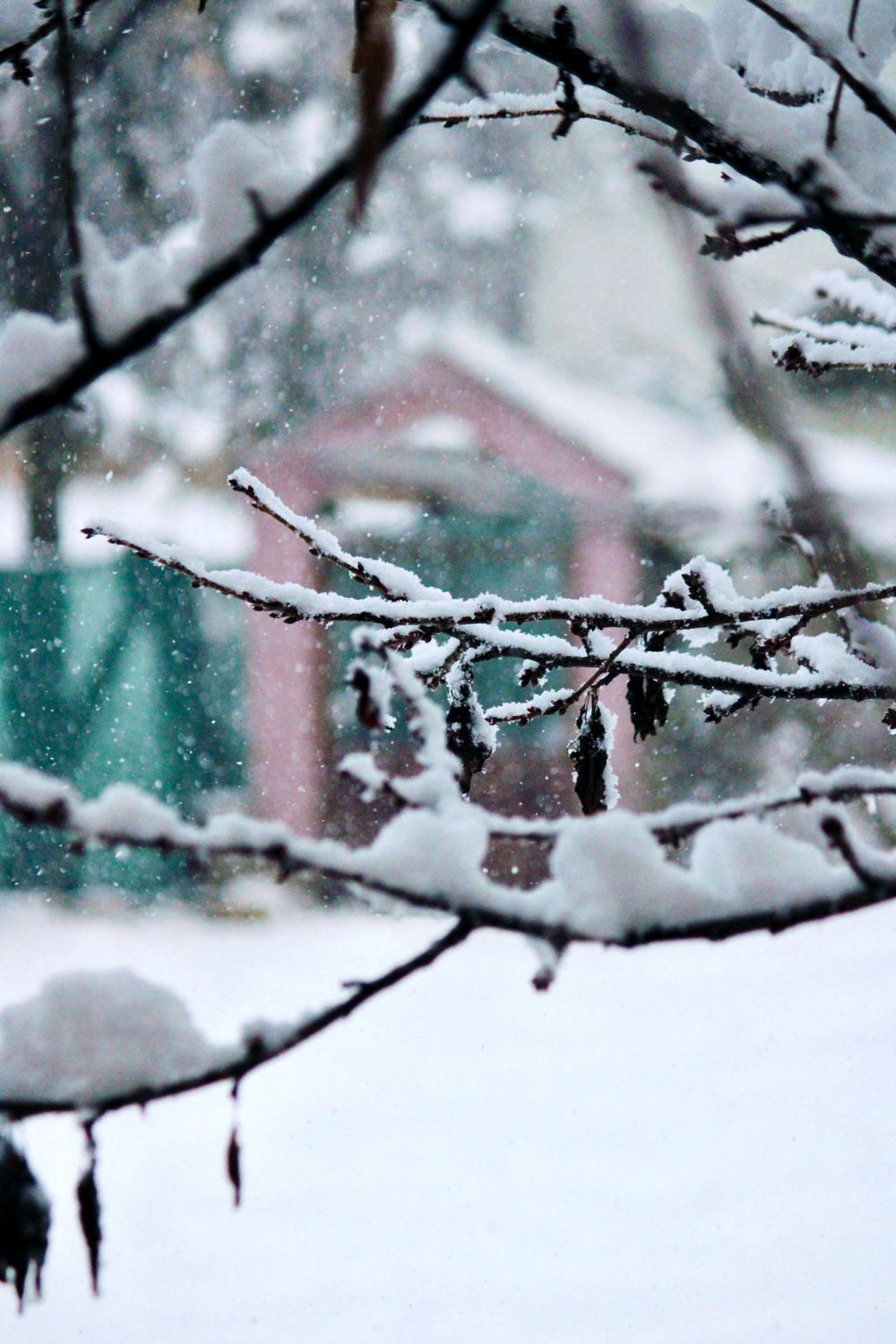
The polar vortex sounds like the name of a powerful winter storm, but it is actually a large circulation of cold air and strong winds high above the Arctic.
It develops in the stratosphere, an atmospheric layer above the one where most everyday weather occurs. When the vortex is strong and relatively stable, it helps keep much of the coldest polar air concentrated near the North Pole.
That circulation has now been disrupted unusually early.
During a sudden stratospheric warming, temperatures high above the Arctic rise rapidly, weakening the winds that normally circle the pole. In major events, those winds can reverse direction.
That reversal occurred in November 2026, making this the earliest major sudden stratospheric warming in records dating to 1958.
It is a significant scientific development, but it does not mean a giant wall of freezing air is automatically heading toward American homes.
Related: 10 American Things Americans Didn’t Know Were Exclusively American
Why a Weather Event So High Above Us Matters
One reason meteorologists are paying attention is that changes in the stratosphere can sometimes influence weather patterns closer to the ground.
The process is not immediate. A disrupted polar vortex may gradually influence the jet stream, which helps steer weather systems across North America.
If the effects move downward into the lower atmosphere, they can contribute to atmospheric blocking patterns. These patterns can sometimes keep colder air over a region longer than usual.
That is why forecasters are watching late November and early December.
However, cold outbreaks can happen even when the polar vortex is behaving normally. The disruption is one factor in a complicated weather system, not a guarantee of freezing temperatures.
Thanksgiving Travel Is Where the Uncertainty Becomes Personal
Thanksgiving falls on November 26 this year, making the timing particularly interesting for families preparing to travel.
Millions of Americans will drive to relatives’ homes, catch flights, or cross several states to spend the holiday together.
A colder pattern across parts of the northern or eastern United States could create additional challenges. Depending on local conditions, travelers might encounter freezing temperatures, snow, icy roads, or weather-related delays.
But it is important not to confuse a possibility with a confirmed forecast.
The Weather Channel’s November 12 analysis identified the possibility of colder conditions reaching parts of the northern United States around Thanksgiving week. It also emphasized that several competing atmospheric factors make the outlook uncertain.
That means families should not cancel plans simply because the polar vortex has weakened. They should, however, watch local forecasts as the holiday approaches.
El Niño Is Adding Another Complication
The polar vortex is not the only major atmospheric influence meteorologists are considering.
El Niño, a climate pattern involving unusually warm ocean temperatures across parts of the tropical Pacific ,is also expected to influence the winter weather pattern.
El Niño can affect the jet stream’s position and the distribution of temperatures and precipitation across the United States. Its effects vary by region, so not every state will experience the same kind of winter.
This creates an interesting forecasting challenge.
The polar vortex disruption could favor colder conditions in some areas, while El Niño may encourage a different broader weather pattern.
According to The Weather Channel’s analysis, these competing influences could make any cold spell temporary rather than a sign that the entire winter will be unusually harsh.
The important point is that neither phenomenon can independently tell us exactly what Thanksgiving Day will look like.
Your Thanksgiving Home Preparations May Need a Little Attention
Even without a confirmed major cold outbreak, this is a sensible time for homeowners in colder parts of the country to check whether their properties are ready for freezing temperatures.
Outdoor faucets and exposed pipes deserve attention, particularly in homes where plumbing runs through unheated areas.
Gutters should also be checked for accumulated leaves that could interfere with drainage. Outdoor hoses and garden equipment can be stored before freezing conditions arrive.
Inside the home, checking window and door seals can help identify drafts before colder weather becomes more persistent.
Families hosting Thanksgiving gatherings may also want to think about practical details such as outdoor seating, heating arrangements, and safe walking surfaces if temperatures fall.
These are ordinary seasonal preparations, not evidence that a historic winter storm is approaching.
Related: The 10 Weirdest Things About America, According to Non-Americans
The Biggest Mistake Would Be Assuming the Entire Winter Is Already Decided
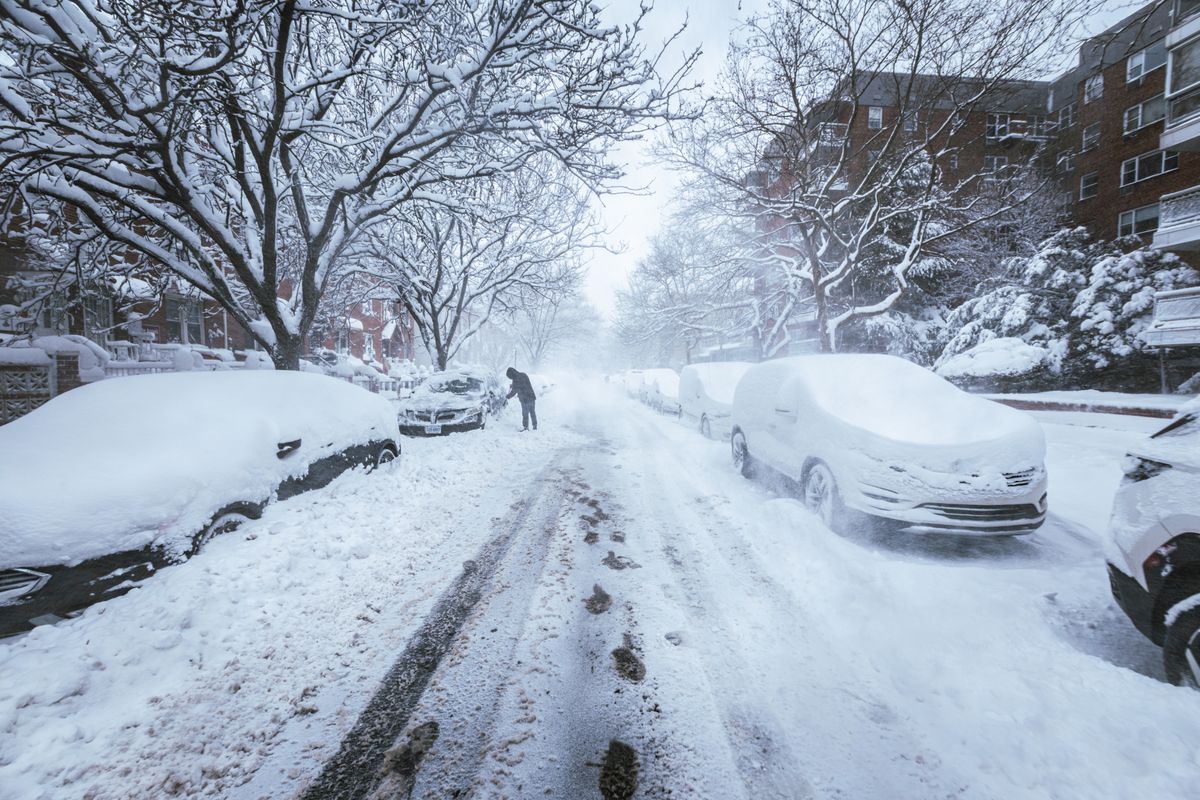
A record-breaking atmospheric event naturally attracts attention, especially when it happens just before a major American holiday.
However, one disruption does not determine the weather for the next several months.
The Washington Post reported on November 13 that the effects of this year’s polar vortex disruption remain uncertain. Meteorologists are watching to see whether the changes in the stratosphere influence the lower atmosphere and how the developing El Niño pattern may affect the outcome.
A colder-than-average period also differs from a dangerous winter storm. A region can experience lower temperatures without receiving heavy snow, while another location may experience disruptive weather for entirely different reasons.
For now, the most responsible approach is to follow updated forecasts rather than assume Thanksgiving will be unusually cold or snowy.
Related: 9 Best Countries to Visit in Winter for an Unforgettable Holiday
What Families Should Watch as November Continues
As Thanksgiving gets closer, the most useful information will come from forecasts covering specific locations and shorter time periods.
Families planning long drives should watch for winter weather advisories, road conditions, and changing temperatures along their routes.
Those flying should monitor airline updates and their departure and arrival airports rather than relying on a nationwide weather headline.
Homeowners should finish routine cold-weather preparations, particularly if they live in areas where freezing conditions are common.
Anyone planning an outdoor Thanksgiving gathering may want a backup plan if temperatures or precipitation make the original plan uncomfortable.
The polar vortex has given meteorologists an unusual development to study. Whether that development becomes a major Thanksgiving weather story remains to be seen.
For now, the record is real, the possible weather influence is worth watching, and the outcome is not settled.
If colder weather arrives during Thanksgiving week, would it change your holiday plans, or would your family gather together regardless of what the weather brings?