7 Things People Buy at the Grocery Store and Regret Later
A grocery store can make almost anything look like a good idea, from a colorful salad kit to an unfamiliar sauce that promises to transform dinner. The challenge comes when those purchases make it home and no longer fit your plans.
Maybe you need only a spoonful of an ingredient, or you buy more than your household can realistically use. Before adding an extra item to your cart, consider whether you have a plan for using it.
Bagged Salad Kits Without a Meal Plan
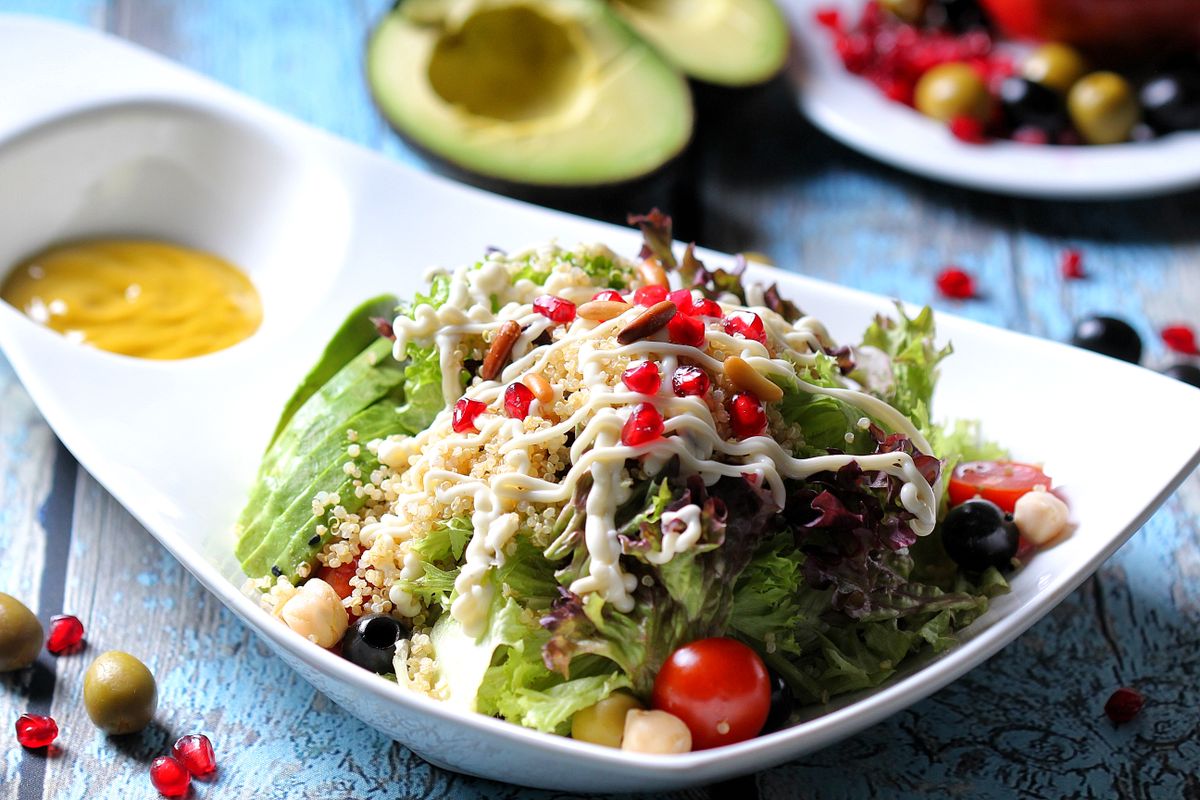
Salad kits can make putting together a quick lunch or side dish much easier. They typically bring greens, toppings, and dressing together in one package, saving you the trouble of gathering each component separately. The catch is that convenience only helps if you actually plan to eat the salad.
Taylor Farms recommends eating its salad within two days of opening for optimal freshness. The company also advises removing excess air, closing the bag tightly, and refrigerating it promptly. That guidance is specific to Taylor Farms, so check the instructions for whichever brand you buy.
Before picking up a kit, think about when it will appear on your menu. It makes sense when you have a meal planned, but less so when you are hoping to organize lunches sometime next week.
Fresh Herbs Bought for One Recipe
A recipe calling for fresh parsley, cilantro, basil, or another herb can make a bunch seem essential. But if you need only a small amount for a garnish, you may be left wondering what to do with the rest.
The problem is not buying fresh herbs. Their flavor can be exactly what a dish needs. The potential disappointment comes from purchasing a bunch without another recipe in mind or a way to preserve the excess.
University of Maine Cooperative Extension explains how herbs can be chopped or blended with liquid, such as water or broth, and portioned into ice cube trays or other freezer-safe containers for storage.
Before buying a bunch, consider another meal that could use it. If you cannot think of one, freezing the extra may be an option. Fresh herbs are still worth buying when you have plans to enjoy their flavor across several dishes.
Related: 12 Surprisingly Common Items People Steal From Grocery Stores
Oversized Condiment Bottles That Outlast Your Needs
A large bottle of ketchup, mustard, or another household favorite can look appealing when you are shopping for value. But a bigger package is not automatically the right choice for every kitchen.
If your household uses a condiment regularly, buying a larger bottle may make sense. If you reach for it only occasionally, however, the extra quantity might sit in the refrigerator long after the initial enthusiasm has passed.
Before choosing the biggest container, compare the package sizes and displayed prices. Then consider how frequently you actually use that product. A lower price per ounce, when confirmed by the shelf label, may be attractive, but it does not tell the whole story if you will use only a fraction of the bottle.
A large bottle can be a sensible purchase for a busy household. The key is matching the quantity to your routine rather than assuming bigger is always better.
Specialty Sauces Bought for One Meal
An interesting recipe can introduce you to a sauce you have never bought before. Maybe it promises a different flavor for a stir-fry, marinade, or homemade dinner. Trying something new can be part of the fun of cooking, but it helps to consider what happens after that first meal.
If the recipe uses only a little sauce and you have no interest in using it again, the remaining bottle may become an afterthought. That does not mean specialty sauces are unnecessary; it simply means the purchase deserves a second look.
Kikkoman recommends using its sauces within one month of opening for best quality. This is guidance for its products, not a universal deadline for every sauce on the market. Check the instructions for the specific bottle you purchase.
Before adding an unfamiliar sauce to your cart, identify another dish that could use it. If you already have a few ideas, experimenting with a new flavor may be well worth it.
Ice Cream Bought Faster Than You Can Enjoy It
Finding several tempting ice-cream flavors in the freezer aisle can make it easy to imagine a different treat for every occasion. Buying multiple containers is not necessarily a mistake, especially if your household enjoys them. The question is whether you genuinely want that much ice cream.
An opened container that stays in the freezer for a long time may eventually lose some of its appealing texture. Ben & Jerry’s explains that freezer burn can leave ice cream icy and crunchy, while refreezing ice cream that has partially melted encourages larger ice crystals.
To help maintain quality, the company recommends storing ice cream toward the back of the freezer and pressing wax paper, parchment paper, or plastic wrap against the surface before replacing the lid.
Before buying another flavor, consider what you already have and how much you realistically want to eat. A favorite treat is a perfectly reasonable purchase when you expect to enjoy it.
Related: 11 Grocery Store Items From the 1960s That Vanished From the Shelves. Can You Remember Even 5?
Novelty Snacks You Have Never Tried
A striking package or unusual flavor can be enough to make an unfamiliar snack stand out on a crowded shelf. Sometimes that curiosity leads to a new favorite. Other times, you may discover that the product is simply not to your taste.
The risk is buying several packages before you know whether you enjoy the snack. If the flavor turns out to be disappointing, you are left with more of something you would rather not eat.
A simple approach is to start with one package or choose a smaller size if one is available. That gives you the chance to experiment without committing to a larger quantity.
There is nothing wrong with spending a little money to discover something new. Just treat an unfamiliar snack as an experiment rather than an automatic household staple. If you enjoy trying unusual flavors, the occasional surprise may be part of the appeal.
Specialty Flours Bought for One Baking Project
A promising baking recipe can send you searching for a flour you do not usually keep in the pantry. Buying it may be necessary to make the recipe work, but the remaining flour deserves some thought before you bring home a whole package.
Different flours have different storage considerations. King Arthur Baking explains that whole-grain and nut flours contain fats that oxidize, giving them a shorter shelf life than white flour. Its guidance recommends storing these flours in an airtight container or plastic bag and freezing them if you do not expect to use them before the best-by date.
Before buying, check how much the recipe requires and compare that amount with the package size. Think about whether you have another baking project planned or enough freezer space to store the remainder appropriately.
Specialty flour can be a worthwhile purchase when it helps you make something you love. The goal is to have a plan for both the recipe and whatever remains afterward.
The best grocery purchases are not necessarily the cheapest or the most convenient. They are the ones that fit your meals, household habits, and storage space.
Before buying something extra, ask when you will use it, how much you need, and what you will do with the remainder. A specialty ingredient, ready-made salad, or favorite treat can be money well spent when it serves a real purpose.