Think Twice Before Using Your Debit Card at These 7 Restaurants
Plenty of people pay for every meal with a debit card. It keeps spending tied to the checking account, and there is no credit card bill waiting at the end of the month.
But restaurants handle cards differently than a grocery checkout does. Tabs, tips added after you sign, and cards that disappear to a back-room terminal all put your actual checking account money in play. These are the kinds of restaurants where it pays to reach for a credit card or cash instead, especially during a holiday season full of dinners out.
1. Sit-Down Restaurants Where the Server Takes Your Card Away
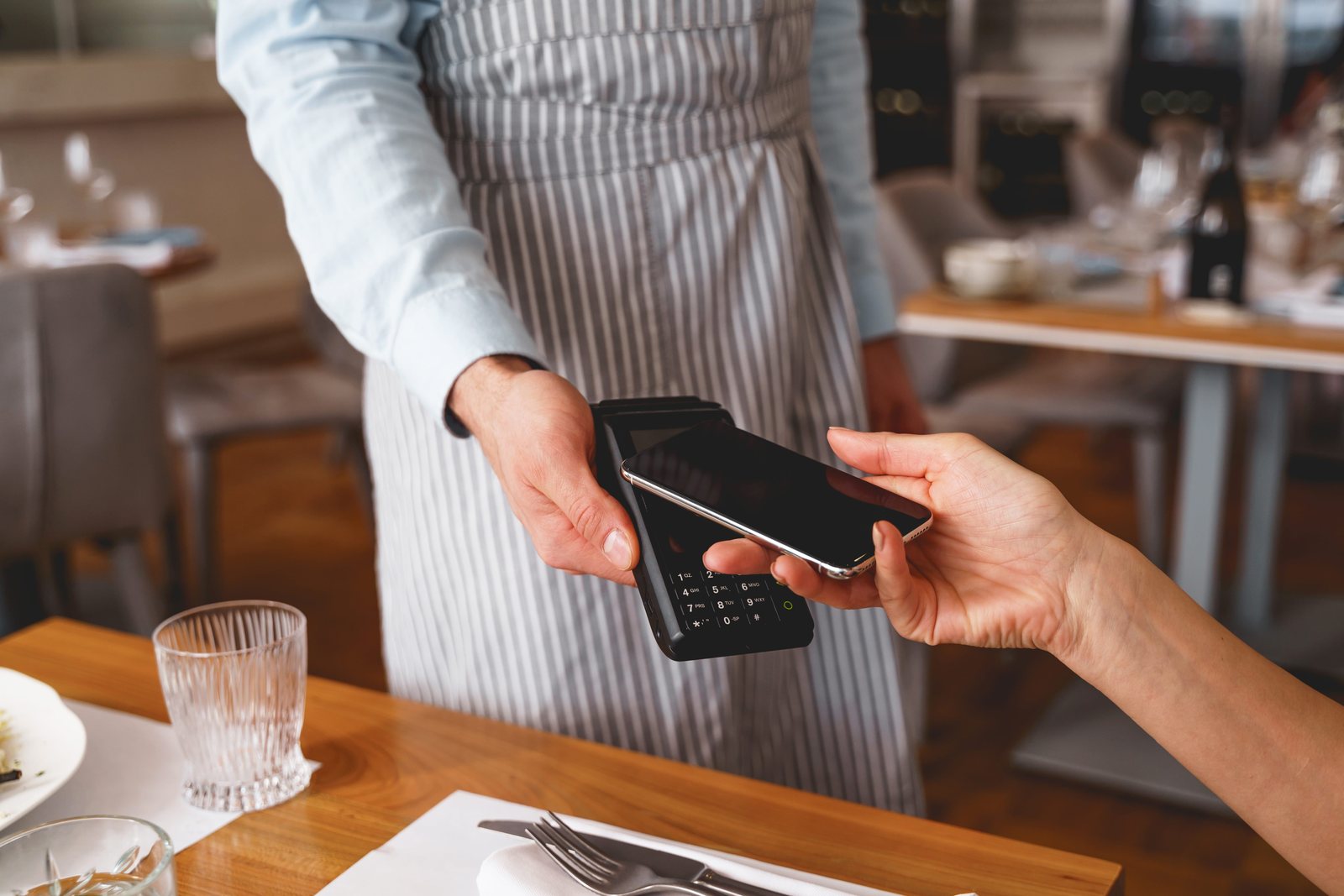
At many traditional restaurants, the server still carries your card to a terminal you can’t see. Most servers are trustworthy, but the card is out of your sight. The U.S. Secret Service, which investigates card skimming, recommends on its ATM and POS skimming page using a credit card rather than a debit card at store terminals, because a compromised debit card can expose your checking account.
If you love a long, leisurely dinner, maybe trying a few of these international desserts at a new spot, that is a good moment to hand over a credit card instead.
2. Bars That Want to Start a Tab
Opening a tab usually means the bar holds onto your card or places a hold on it before you have ordered much. Bankrate’s comparison of debit and credit cards explains that merchants sometimes put a hold amount on your card, and with debit, that money is unavailable until the hold is lifted. With credit, a hold only ties up a slice of your available credit.
If you would rather use debit, ask to pay as you go instead of starting a tab.
3. Places Where You Add the Tip After Signing
At many restaurants, the amount first authorized is the meal total, and the final charge with the tip shows up later. That is normal, but it means the number you see in your account the next day may not match what was pending. The Consumer Financial Protection Bureau’s tips on watching your accounts closely suggest checking transactions often through online banking and flagging anything unfamiliar right away.
Write the tip and total clearly on the slip and take a photo of it. Tipping itself sparks plenty of debate, as our look at tipping questions that divide Americans during the holidays shows, but the math on the receipt shouldn’t be one of them.
4. Drive-Thrus and Counters Still Swiping Cards
Some older or busy spots still swipe the magnetic stripe. The Secret Service notes that tap-to-pay or the chip is safer than swiping, since the stripe is easier to copy. If a place only swipes, that is a good time to use a credit card, a phone wallet or cash.
Quick, cheap meals are some of the best ones, like the humble foods even wealthy people love, and paying for them shouldn’t put your checking account at risk.
5. Self-Order Kiosks That Look Tampered With
Kiosks are everywhere now, and like any card reader, they can be targeted. The Secret Service suggests watching for loose parts, stickers in odd places, or a PIN pad that sits higher than normal. Give the card slot a gentle tug before you insert your card, and cover the keypad when entering a PIN. Our guide to the signs a card reader has a skimmer applies to restaurant kiosks, too.
6. Hotel Restaurants Billing to Your Room
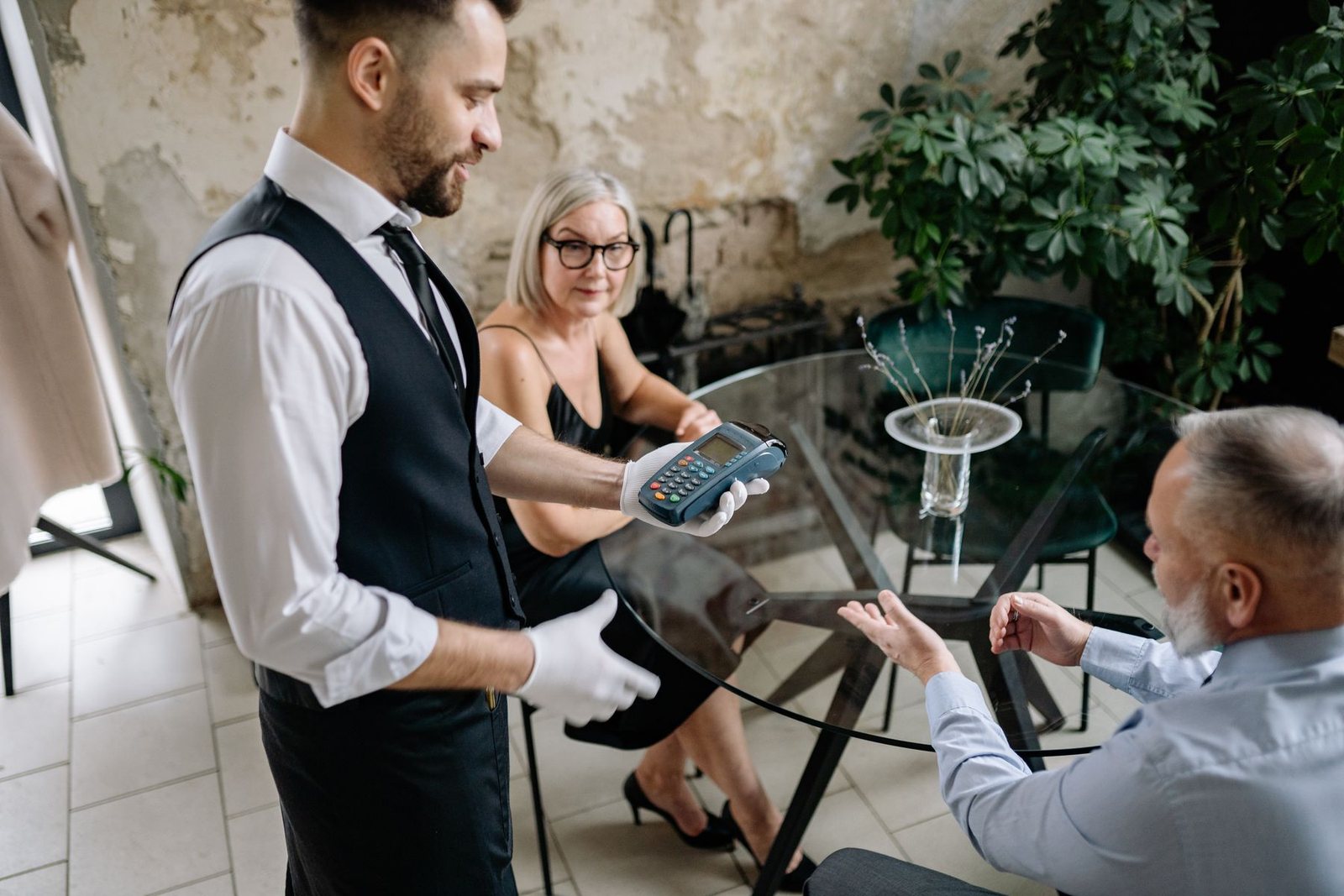
Charging meals to your room is convenient, but it rolls into the hold placed on your card at check-in. Bankrate gives the example of a $200 hold for a hotel room, and with a debit card that money sits out of reach in your checking account until it is released. If you are adventurous and want to sample some of the weirdest delicacies in the U.S. on a trip, a credit card at check-in keeps your checking balance free for everything else.
7. Any Restaurant That Recently Reported a Data Breach
When a restaurant chain announces that card data was exposed, debit card users have more to watch. The CFPB notes that fraud can show up months after information is stolen and recommends contacting your bank immediately about any unauthorized charge, asking for a new card and considering a new PIN.
Timing matters for your protections, too. According to the CFPB’s explanation of getting your money back after an unauthorized transaction, reporting a lost or stolen debit card within two business days limits your liability to $50, and waiting longer can raise it to $500.
The Simple Rule
None of this means debit cards are bad at restaurants. A neighborhood diner with a tap terminal at the register is about as low-risk as it gets. But when the card leaves your sight, sits behind a tab, or rides on a hotel bill, a credit card puts the bank’s money on the line instead of yours. The Federal Trade Commission’s guide to lost or stolen cards caps credit card liability for unauthorized charges at $50, which is a big reason many diners keep one card just for eating out.