This Old-Fashioned Candy Boomers Loved Is Surprisingly Easy to Make With Jell-O and Chocolate
Some candies can take you straight back to childhood, and chocolate-covered jelly rings are one of them. With their fruity centers, rich chocolate coating, and unmistakable ring shape, these old-fashioned sweets were a familiar treat for many people growing up in the 1960s and beyond. The best part is that you don’t need a candy factory to recreate something similar at home.
You only need a few familiar ingredients: fruit-flavored Jell-O, unflavored gelatin, sugar, and chocolate. These nostalgic treats have a surprisingly simple concept, even if getting the perfect texture takes a little patience for anyone who remembers spotting them at a neighborhood candy counter or Jewish deli; making a homemade batch might bring back some wonderful memories.
The Simple Ingredients Behind This Nostalgic Candy
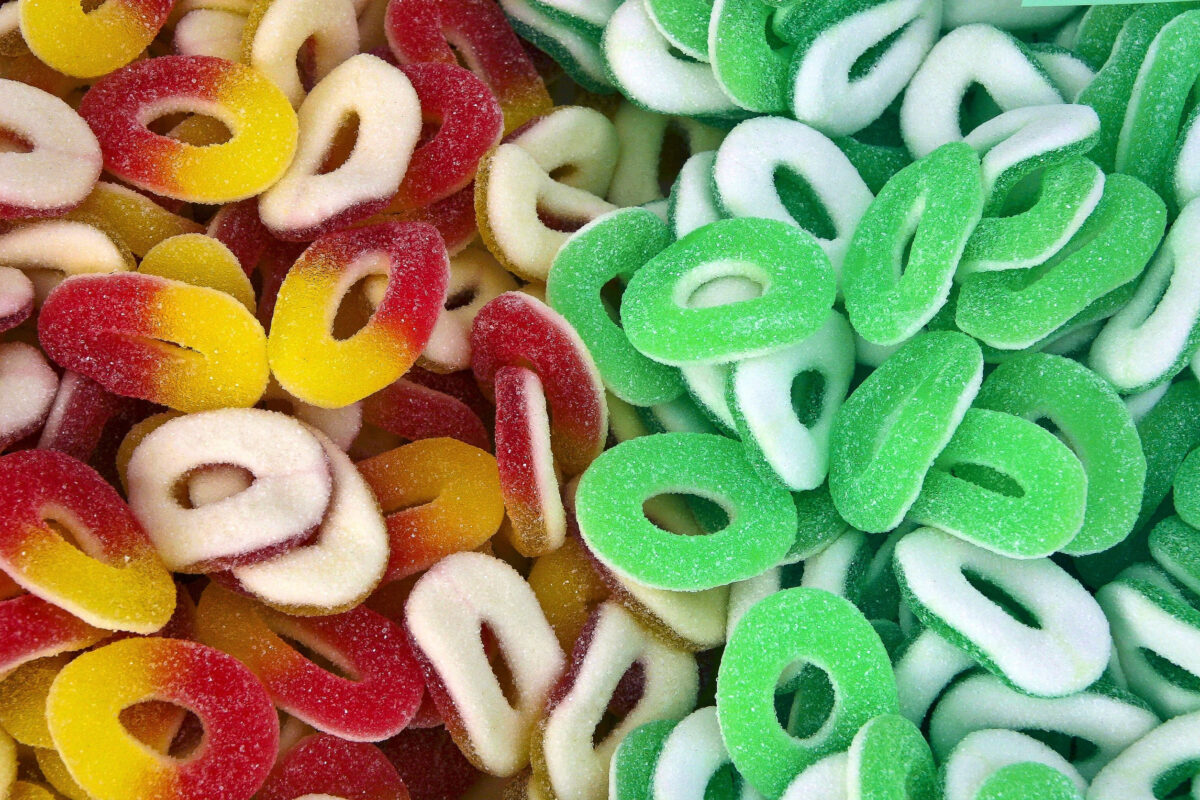
Chocolate-covered jelly rings are exactly what their name suggests: small rings of fruity jelly coated in chocolate. Unlike ordinary chocolate candies with creamy fillings, these treats have a firmer, chewy center that contrasts with the outer shell. That combination is a big part of their appeal.
To make a homemade version, start with fruit-flavored Jell-O, plain gelatin, sugar, and dark chocolate. The flavored gelatin provides the fruity taste, while extra unflavored gelatin helps the filling hold its shape firmly enough to dip. A small ring-shaped silicone mold also comes in handy when preparing the candy.
One fun part of making these treats yourself is choosing the flavor. Raspberry and orange are traditional options for Joyva’s jelly rings, but other fruit-flavored gelatin mixes let you experiment. You can even try adding a little matching fruit extract for a more pronounced flavor.
How to Make Chocolate-Covered Jelly Rings at Home
Start by preparing a concentrated gelatin mixture with your chosen Jell-O flavor, sugar, and unflavored gelatin. Follow a tested jelly ring recipe for the right liquid-to-gelatin ratio, since regular package directions may produce a filling too soft for chocolate dipping. Once everything is dissolved and combined, pour the mixture into small ring-shaped molds.
Place the molds in the refrigerator and let the jelly set completely. This may take several hours, depending on the recipe and ring size. Removing them too early can make the delicate shapes hard to handle.
Once the rings have set, carefully remove them from the molds and prepare the chocolate coating. Gently melt the dark chocolate, then dip each ring until it’s fully coated. Place the coated candies on parchment paper and allow the chocolate to harden before serving.
For a firmer chocolate shell, consider using properly tempered chocolate. You can also chill the finished treats for a colder, firmer bite. The homemade version won’t necessarily match the store-bought original’s consistency, but it follows the same delicious idea.
Related: 5-leading-chocolate-brands-today/
A Brooklyn Candy With More Than 60 Years of History
While homemade jelly rings are fun to experiment with, the commercial version has an established history. Brooklyn-based confectionery company Joyva introduced its Jell Rings in 1962, according to the company’s official history. The candy became especially associated with Passover celebrations and family traditions.
Joyva dates back to 1907, when founder Nathan Radutzky began selling halvah in New York. The family business eventually expanded into other confections, including chocolate-covered jelly candies. Jell Rings became one of its most recognizable products.
The company still manufactures Jell Rings in Brooklyn, offering the original alongside an orange-flavored variety. Joyva also sells smaller packaged versions for individual snacking. For longtime fans, that means a childhood candy is still part of the company’s lineup today.
Why the Chocolate and Jelly Combination Stands Out
Many candies pair chocolate with something sweet, but jelly rings offer a different experience than caramel-filled or cream-centered chocolates. The outer coating provides a chocolate bite, followed by a smooth, fruity jelly center with a pleasantly firm texture. This contrast makes these little rings memorable.
Some longtime fans enjoy eating the chocolate coating first and saving the jelly center for last. Others prefer taking a full bite to enjoy both flavors together. Refrigerating the candies can also make the chocolate coating feel firmer.
The ring shape adds another playful detail. They’re small enough to enjoy as individual treats and distinctive enough to recognize at a glance. For anyone who grew up eating them, even their appearance can bring back memories.
A Traditional Treat That Still Has a Place Today
Joyva’s Jell Rings are closely tied to Jewish food traditions, particularly Passover. The company’s original Jell Rings are labeled kosher pareve, and the manufacturer identifies them as a popular holiday confection. However, homemade versions should not automatically be considered suitable for Passover, since the ingredients and their certifications can differ.
The original commercial recipe also differs from the familiar Jell-O method home cooks use. Joyva’s published ingredient list includes agar, a setting ingredient, rather than the animal-derived gelatin commonly found in standard Jell-O. That difference helps explain why a homemade batch may not perfectly duplicate the original candy.
Still, these treats don’t need a holiday to be enjoyed. They can make a nostalgic addition to a candy dish, a family gathering, or a homemade dessert assortment. Their lasting appeal comes from a familiar pairing that remains simple and satisfying.
An Old-Fashioned Favorite Worth Rediscovering
Chocolate-covered jelly rings prove that a memorable candy doesn’t need a complicated combination of ingredients. With a little preparation, Jell-O, gelatin, and chocolate can become a homemade version of a sweet that has been enjoyed for generations. Whether you remember buying them from a neighborhood deli or are discovering them for the first time, they’re a fun reminder that some classic treats never really go out of style.
Other articles you may like:
– candy-bars-from-the-70s-that-disappeared-but-never-left-americans-memories/
– 6-top-halloween-candy-picks-for-trick-or-treaters/