Trump pauses Iran strikes as diplomacy faces a credibility test

President Donald Trump’s latest warning to Iran appeared to place the Middle East close to another major escalation. On Friday, Trump said he was “losing faith” in negotiations and warned that American forces would hit Iran “very hard.”
By late Saturday, the threatened attack was on hold. Trump said he saw signs of diplomatic progress and suspended what he described as a “massive” military operation. The change offered temporary relief, but it did not end the five-month conflict or produce a confirmed agreement.
Behind the decisions are civilians, American service members and families across the Gulf. Iranian communities face the possibility of attacks on power and energy facilities. U.S. troops and residents near regional military bases remain exposed to possible retaliation.
The central question is whether Trump’s escalating threats are pushing Tehran toward concessions or teaching Iranian leaders that Washington’s deadlines may keep moving.
Gulf Leaders Helped Stop the Attack
Trump said Saudi Arabia, Qatar and the United Arab Emirates urged him to allow diplomacy more time. He also claimed Iranian officials had asked the United States to delay the operation.
Speaking aboard Air Force One on Sunday, Trump said Saudi leaders believed an agreement might be close. “Would I rather make a deal? I’m not looking to kill people,” he told reporters while discussing his decision to suspend the attack.
Trump spoke with Saudi Crown Prince Mohammed bin Salman before stopping the operation. A person briefed on the call said the crown prince warned that further escalation could damage the global economy and expose Gulf countries to Iranian retaliation.
Saudi Arabia, Qatar and the United Arab Emirates have strengthened their defenses, but their energy facilities and commercial centers remain possible targets. Kuwait could face additional danger from Iranian-backed militias operating in Iraq, based on details of the Saudi leader’s warning.
For families across the region, those threats are not distant political arguments. An attack on an oil terminal, power plant or military base could interrupt jobs, transportation and access to essential goods. People living near strategic facilities could also face evacuation orders or retaliatory strikes.
Gulf governments therefore face a difficult balance. They may support pressure on Tehran while fearing that a wider war could reach their cities, economies and energy networks.
Iran Denies That Talks Are Scheduled
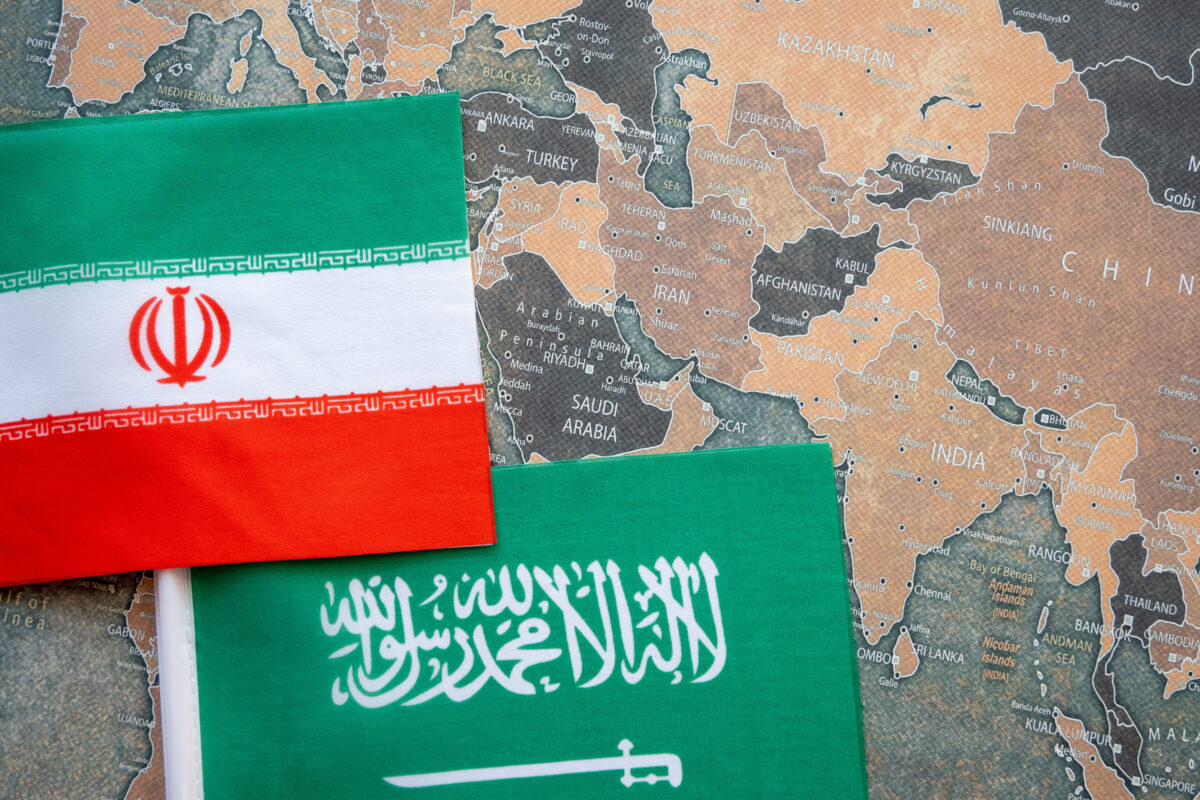
Trump said negotiations with Iran would begin Monday afternoon. Tehran publicly disputed that statement.
Iranian Foreign Ministry spokesman Esmail Baghaei said no talks with the United States were underway and no meetings had been scheduled. He added that Iran was not preparing to receive American negotiators or send a delegation abroad.
Baghaei acknowledged discussions with Oman but said those conversations concerned the Strait of Hormuz. A senior Iranian source also said no direct negotiations were planned, creating a clear conflict between the two accounts.
The disagreement matters because Trump cited diplomatic movement as the reason for suspending the attack. If no formal meeting exists, the pause may depend on private messages carried by Gulf governments rather than negotiations recognized by Washington and Tehran.
Indirect diplomacy can still produce results. Governments often rely on mediators when direct contact becomes difficult. However, calling private communications scheduled negotiations can create expectations that the other government has not accepted.
The Strait of Hormuz remains a central obstacle. Washington says a June memorandum required Iran to reopen the strategically important shipping route. Tehran argues that the document preserved its authority over shipping traffic, leaving the waterway’s status unresolved.
Repeated Warnings Carry Growing Risks
This was not the first time Trump approached a military deadline and then stepped back. The pattern has appeared several times since the conflict began.
In early April, the United States and Iran announced a two-week ceasefire shortly before a deadline imposed by Trump. In May, he postponed another planned strike after saying “serious negotiations” were underway. In June, he threatened Iran’s oil and gas industry before again suspending military action after reporting diplomatic progress.
Supporters may see the pattern as deliberate brinkmanship. Trump raises the cost of rejecting an agreement, creates uncertainty and then gives Tehran another opportunity to negotiate.
Critics argue that repeated reversals could weaken American credibility. Democratic Sen. Mark Kelly of Arizona called Trump’s approach “rather erratic” and suggested the president was seeking a way to return to the situation that existed before the war. His criticism formed part of a wider debate over Trump’s threat and reversal strategy.
If Iranian leaders believe economic concerns, domestic opposition or Gulf pressure will repeatedly stop Washington, future warnings may carry less influence. Yet dismissing a threat that Trump intends to enforce could cause a dangerous miscalculation.
The Trump administration says American operations have severely damaged Iran’s military leadership, navy, air force and nuclear facilities. Those are administration assessments, and the complete extent of the damage has not been independently established. The White House has publicly presented the campaign as an effort to end Iran’s nuclear threat.
Despite the reported military damage, the conflict has not produced a confirmed nuclear settlement or ended the dispute over the Strait of Hormuz. Iran also retains the ability to threaten regional targets and shipping.
Oil Prices Bring the War Home

The economic reaction to Trump’s announcement was immediate. U.S. crude fell about 5% to $80.79 per barrel, while Brent crude declined to $83.87.
Oil prices had climbed above $100 during the conflict as disruptions affected shipping through the Persian Gulf. Even after the latest decline, U.S. crude remained about 20% higher than before the war began, based on the latest energy market figures.
For American families, a distant conflict can quickly appear at the gas station or grocery store. Higher fuel prices increase costs for trucking companies, airlines and manufacturers. Businesses may then pass part of those expenses to customers.
The political consequences are also growing. About two-thirds of U.S. adults believe the Iran war has not been worth fighting. Trump’s approval on the issue fell to 28%, while 72% of Americans said keeping gasoline prices down was highly important in the latest AP-NORC polling.
Republican Sen. John Kennedy of Louisiana acknowledged that another escalation could raise energy prices and worsen inflation. He favored maintaining the current position while using sanctions and pressure against Iran’s nuclear program.
“They’re all hellish choices,” Kennedy said. “But for the moment I’d maintain the status quo.”
Trump’s decision has bought diplomacy more time, but it has not produced peace. Iran denies that direct negotiations are scheduled, the Strait of Hormuz remains contested, and both governments continue to present conflicting accounts.
For civilians and military families, the pause matters because it reduces the immediate danger. Its lasting value will depend on what follows. Another warning may dominate the headlines, but only verifiable negotiations and enforceable commitments can prevent the next deadline from becoming a wider war.