Trump Releases Election Documents as Michigan Records, China Claims, and Voting Security Debate Return

President Donald Trump has placed election security back at the center of the national conversation after releasing a series of declassified documents and calling for investigations into what he described as serious vulnerabilities in America’s voting system.
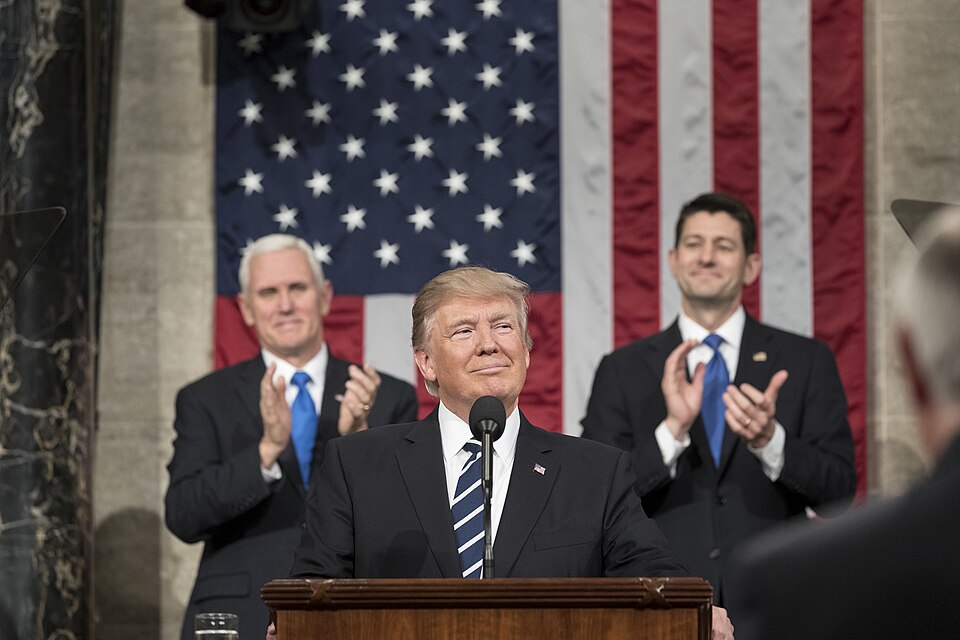
During a prime-time address from the White House on Thursday, Trump said the documents revealed concerns involving foreign interference, voter data security and possible election-related misconduct. He argued that Americans cannot have confidence in their elections without stronger protections.
“Because if there can be no trust, there can be no greatness,” Trump said during the speech.
The announcement immediately reignited one of the most controversial political debates in recent American history. Supporters of Trump say the documents raise important questions that deserve further investigation. Critics argue that the materials do not prove that the 2020 election result was changed or that voting systems were manipulated.
The records have drawn renewed attention to three major areas: a Michigan voter-registration investigation, allegations of Chinese access to voter information, and the ongoing fight over new election laws.
Michigan records bring a voter-registration investigation back into focus
One of the most specific issues highlighted by Trump involved a 2020 voter-registration investigation in Muskegon County, Michigan.
The case involved suspicious voter-registration applications discovered during a registration drive before the election. According to officials, some applications contained problems, including false information and questionable signatures.
Trump said the newly released FBI records showed that some individuals involved in collecting applications admitted to signing forms in other people’s names, submitting false registrations and receiving incentives connected to the number of applications collected.
“In other words, it was pay, play and cheat,” Trump said during his address.
The records have renewed questions about how voter-registration drives are monitored and whether additional safeguards are needed.
However, the known facts surrounding the case remain important. Michigan officials said the questionable applications were identified before they affected the state’s voter rolls. Investigators did not establish that fraudulent ballots were cast because of the applications, and no evidence has emerged showing that the activity changed Michigan’s election results.
For election officials, the case demonstrates both sides of the debate. Suspicious registration activity can occur and must be investigated, but detecting problems before they enter the voting system is also part of the safeguards already in place.
The Muskegon investigation remains one of the clearest examples of a documented election-related case discussed in Trump’s speech because it involves actual records, investigators and specific allegations.
China allegations raise questions about voter data and foreign influence
Shealeah Craighead, Public domain, via Wikimedia Commons
Trump also focused heavily on China, claiming newly released intelligence documents showed that Beijing obtained large amounts of American voter information during the 2020 election cycle.
The president said the alleged information included names, addresses, phone numbers, and political details that could be used in influence operations.
“This evidence shows that the election system we have dangerously exposes, and really exposes like levels never thought possible, to hacking, exploitation, and foreign interference,” Trump said.
The claim has raised concerns about foreign access to political information, but experts have emphasized the difference between obtaining voter data and changing election results.
Many states make voter-registration information available under public-record laws, and political campaigns regularly use voter databases for outreach. Access to voter information does not automatically mean someone can alter ballots, voting machines, or vote totals.
A 2021 intelligence assessment from the U.S. intelligence community found no evidence that foreign governments changed election results or manipulated voting systems during the 2020 election.
The report did acknowledge concerns about foreign attempts to influence American politics, including efforts by some countries to gather information about voters, political organizations, and public opinion.
China rejected Trump’s accusations.
Chinese Foreign Ministry spokesperson Lin Jian said the claims were “fabricated” and denied that Beijing interfered in the U.S. presidential election.
The disagreement highlights the broader challenge surrounding election security. Foreign governments attempting to collect information or influence public opinion remain a concern, but proving that such activity changed votes requires separate evidence.
Trump pushes Congress to pass sweeping election changes
The final focus of Trump’s speech was the SAVE America Act, a proposal that would introduce stricter voting requirements nationwide.
Trump argued that the legislation is necessary to restore confidence in elections. The proposal would require proof of citizenship for federal voter registration, strengthen voter identification requirements, and require states to share voter information.
“Congress must pass the SAVE America Act,” Trump said.
Supporters of the measure say it would strengthen election integrity and prevent noncitizens from participating in federal elections.
Opponents argue that the requirements could create unnecessary barriers for eligible voters who have difficulty accessing documents such as birth certificates or passports.
The debate comes as officials continue to examine claims involving noncitizens on voter lists. Trump cited government documents that he said identified hundreds of thousands of possible noncitizens appearing in voter records.
Election experts have warned that comparisons of voter lists can yield inaccurate results because databases may contain outdated information, duplicate records, or mismatched identities. The presence of a name on a list does not prove that a person voted illegally.
The broader disagreement reflects the current divide in American politics. One side argues that stronger verification rules are necessary to protect elections, while the other argues that unsupported claims can damage public confidence in a system that already includes multiple security checks.
Trump’s release of election documents has reopened a national debate over election security, foreign influence and voter regulations.
The records highlighted in his speech raise questions about voter-registration oversight, foreign access to political data, and the future of election laws. At the same time, officials and previous intelligence assessments have found no evidence that voting systems were altered or that the 2020 election outcome was changed.
The documents will likely continue to fuel political debate, but the central question remains: how can the country strengthen election security while maintaining public trust and ensuring eligible Americans can vote?