What Bacon Can Do Far More Than Breakfast
That familiar strip of bacon can bring smoky depth, crisp texture, and surprising richness to far more than eggs and toast.
Bacon has spent decades playing the supporting role on breakfast plates, but its real talent shows up when you let it leave the frying pan and join the rest of the meal. A little chopped bacon can transform vegetables, beans, soups, sandwiches, and even pasta without requiring a complicated recipe. Its salty, smoky flavor also means you often need surprisingly little to make an ordinary dish taste much more developed.
Bacon Was Never Just a Breakfast Food
The breakfast connection is strong, but bacon has a much longer culinary story.
People have preserved and cooked bacon in different forms for centuries, long before modern diners made bacon and eggs a familiar morning combination. The Smithsonian traces bacon’s place in American food culture through its history as a preserved pork product and its eventual rise as an iconic everyday food. History of bacon in American food culture
That history helps explain why bacon works so naturally in hearty cooking. People traditionally valued it not only as something to eat on its own but also as a way to add fat, salt, and flavor to other foods. That makes it particularly useful in dishes that might otherwise taste flat or one-dimensional.
Related: 7 American Breakfast Ideas Beyond Cereal
Let the Fat Do Some of the Cooking
The most useful part of bacon may be the part left behind in the pan.
Cook bacon slowly enough to render some of its fat, then use a little of that flavorful grease to cook onions, mushrooms, cabbage, or potatoes. The vegetables pick up the smoky richness while developing browned edges of their own, turning a simple side dish into something much more tempting. If you bake your bacon, you can also collect the rendered fat for later cooking; a classic bacon-cooking guide from Hachette even recommends baking as a practical way to preserve the grease without scorching it. Bacon cooking and saving bacon grease
This is especially good for potatoes. Dice a few cooked bacon pieces, roast potatoes until crisp, and toss everything together near the end. Add green onions, black pepper, or a little cheese, and suddenly the side dish can compete with the main course.
Give Vegetables a Smoky Upgrade
weyo/ 123RF
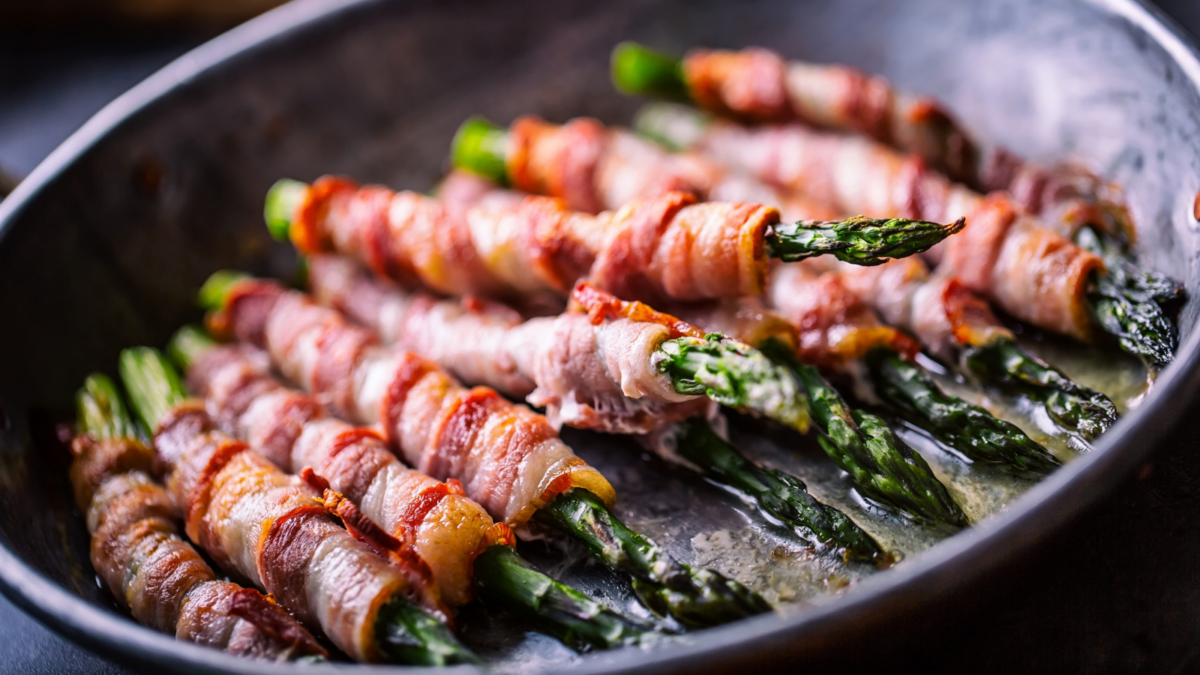
Bacon has a knack for making vegetables feel less like an obligation and more like the part you actually want to eat.
Try it with Brussels sprouts, green beans, corn, broccoli, or sautéed cabbage. Rather than drowning the vegetables in bacon, use a modest amount of crisp pieces and let the rendered fat carry the flavor through the pan. A splash of lemon juice or vinegar at the end is particularly useful because the acidity cuts through the richness.
It also works beautifully with greens. Collard greens, kale, and other sturdy leaves can handle bacon’s stronger flavor, while onions and garlic add another layer of savoriness. These small cooking changes are the kind of simple kitchen habits that can make everyday meals feel more interesting without adding much extra work.
Turn Ordinary Soups Into Something Special
A handful of bacon can make a simple pot of soup taste like it simmered all afternoon.
Start with bacon in the pot, remove the crisp pieces, and cook your onions or other vegetables in the remaining fat. That first layer of flavor becomes the foundation for potato soup, bean soup, split-pea soup, corn chowder, or even a chunky vegetable soup. Stir some bacon back in at the end so you get both its flavor throughout the broth and little crispy bites.
Bacon also pairs well with beans. White beans, baked beans, and lentils all benefit from its smoky saltiness, especially when balanced with tomatoes, herbs, mustard, or a little sweetness.
Don’t Forget Pasta, Sandwiches and Snacks
Sometimes bacon doesn’t need to be the star—it just needs to make everything around it taste better.
Crumble it over creamy pasta, mix it into a grilled cheese sandwich, tuck it into a baked potato, or scatter it across a salad. You can even combine bacon with something sweet, such as maple syrup, dates, or roasted fruit, because its salty character makes sweetness taste more pronounced.
That same sweet-savory contrast explains why bacon works so well in party snacks. Wrap it around dates, add it to stuffed mushrooms or crumble it over a dip, and suddenly a familiar appetizer has another layer of texture and flavor.
Bacon Works Best When You Use Less Than You Think
The trick isn’t adding bacon to everything—it is knowing when a little bacon can change the whole dish.
Because bacon is salty and rich, it can quickly overpower delicate ingredients. Use it as seasoning rather than the main event, and its smoky flavor becomes much more useful. Remember that bacon is a cured pork product, not a shortcut around food safety; follow safe cooking and handling practices for pork products, as recommended by the USDA’s pork safety guidance.
The best bacon dishes are often the ones where you notice the bacon without feeling like you’re eating a plate of bacon. So, if bacon has been sitting in your refrigerator waiting for another breakfast, it is time to give it a bigger job. Would you use bacon first to upgrade vegetables, soup, pasta, or something completely different?