When a $10 Tip Turned Into $20: How American Tipping Culture Is Making Diners Nervous
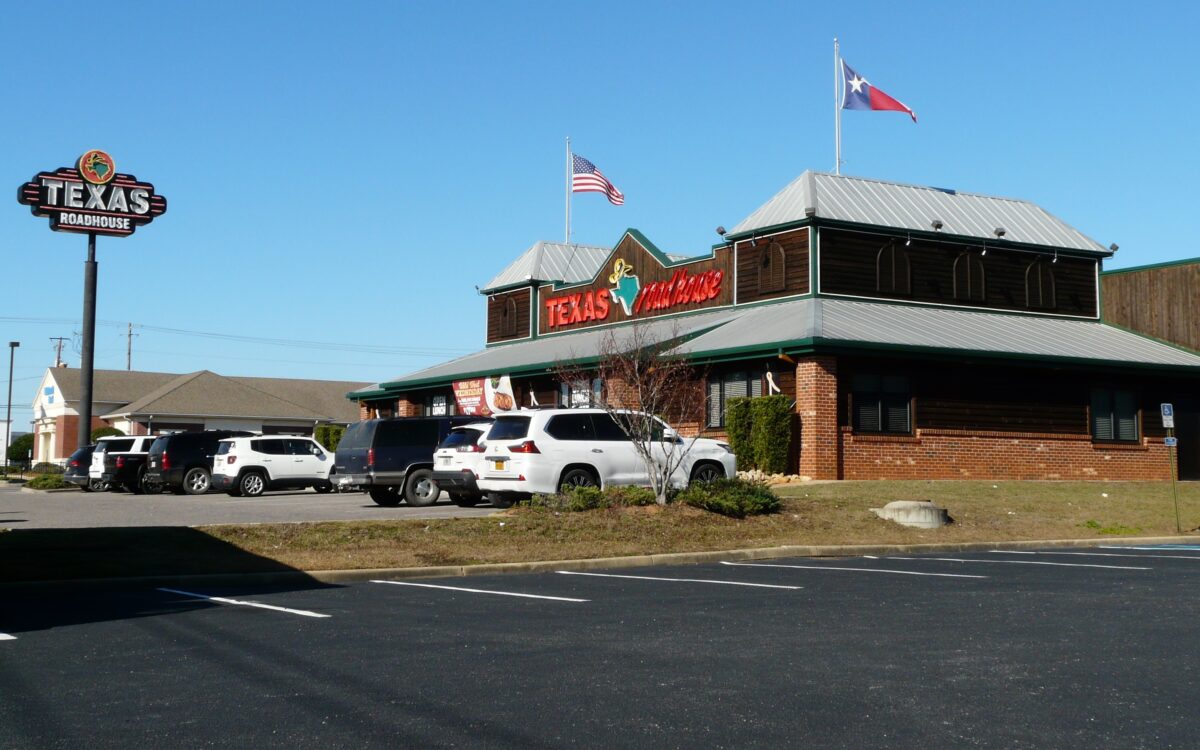
Tipping is a deeply ingrained part of American dining. It allows diners to reward excellent service and support restaurant staff, reflecting both gratitude and social expectation. Yet a recent Texas Roadhouse tip dispute shows how this positive practice can quickly turn stressful. Shawn Bumpass left a $10 cash tip on a $64 meal, wrote zero on the card slip, and later discovered his card had been charged $84. What was meant to be an act of generosity became a viral cautionary tale about trust, technology, and the hidden risks of tipping.
This story matters because it reveals a broader tension in U.S. dining. Americans rely on cards, tipping norms, and digital payment systems every day, but small mistakes can escalate into financial frustration or public scrutiny. The Texas Roadhouse tip dispute isn’t just a quirky incident; it’s a wake-up call for anyone navigating the complex world of tipping culture today.
How Tipping Culture Puts Diners on Edge
In the United States, tipping has always carried both financial and social weight. Servers often rely on gratuities as a major part of their income, while customers feel pressure to calculate the “right” amount. Digital prompts, tablet systems, and suggested percentages have only intensified that pressure. Even minor errors, like leaving a blank or writing zero, can result in unintended charges, turning a routine meal into a stressful experience.
The Texas Roadhouse dispute illustrates that what should be a simple act of gratitude now requires vigilance. Diners must balance generosity with awareness, knowing that mistakes, human or technological, can undermine trust. In this environment, tipping is no longer purely positive; it is intertwined with uncertainty and risk.
When a Routine Meal Becomes a Warning
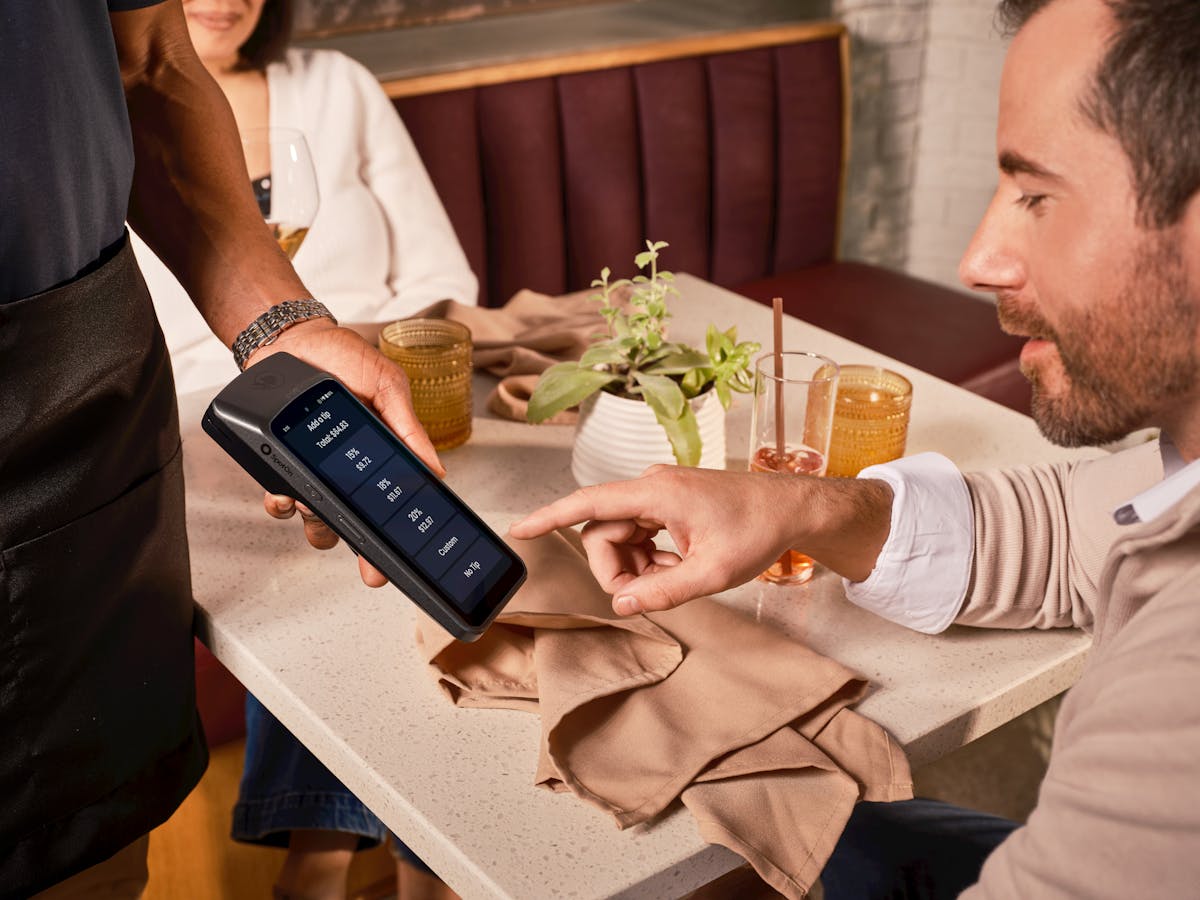
Shawn Bumpass’ experience went viral because it tapped into a universal fear. Every diner has experienced the tension of signing a receipt and hoping the total matches expectations. In this case, a $10 tip became a $20 overcharge, reminding Americans that even small oversights can carry real consequences. Social media amplified the story, transforming what might have been a minor personal mistake into a national cautionary tale.
The negative impact isn’t limited to customers. Restaurants face instant scrutiny when mistakes go viral, even if unintentional. Patrons double-check receipts, photograph slips, and question staff, while management must contend with public perception. Viral exposure magnifies errors, erodes confidence, and shifts dining from enjoyment to constant caution.
Practical Steps Diners Can Take
While tipping culture creates pressure, diners can take simple precautions to protect themselves. Clearly mark cash tips on receipts, photograph signed slips, verify totals before leaving, and monitor card statements immediately. Communicating with servers about tip handling also prevents misunderstandings.
Banks provide protections for incorrect charges, but vigilance remains essential. Combining documentation, verification, and timely review allows diners to enjoy their meals while reducing the risk of overcharges or disputes. Awareness restores control in a system where tipping, technology, and social expectations intersect.
Why Restaurants Share Responsibility
Restaurants also play a critical role in preventing disputes. Accurate processing, staff training, and clear communication reduce mistakes and build trust. Even minor errors can trigger viral attention, impacting reputation and customer confidence. The Texas Roadhouse tip dispute illustrates how operational decisions, technology, and human judgment intersect, and how failing to prioritize accuracy can amplify diners’ anxiety.
Technology alone cannot solve the problem. Restaurants must balance speed, efficiency, and transparency to maintain trust and ensure tipping remains a positive experience rather than a source of stress.
The Texas Roadhouse tip dispute is more than a $20 overcharge. It’s a cautionary tale about the pressures of tipping culture in America, the vulnerabilities of digital payments, and the need for vigilance at every meal. While tipping is intended to reward service and show appreciation, it can unexpectedly create stress, uncertainty, and financial frustration. Diners must remain attentive, document transactions, and verify charges, asking themselves: in a culture built on expectation and generosity, how can Americans give freely without constantly fearing mistakes or overcharges?