Why Texas Operates on a Bigger Scale Than Anywhere Else in America.
There are states that blend quietly into the map of the United States, and then there is Texas. Texas does not blend in. It expands. It stretches across imagination, culture, economy, and identity with a kind of confidence that makes even its clichés feel oversized.
The phrase “everything is bigger in Texas” has become more than a slogan. It has become cultural shorthand for ambition, excess, pride, and possibility. But the truth behind it is not just about exaggeration. It is about structure, history, geography, and a mindset that consistently pushes scale to its limits.
Texas feels bigger because, in many ways, it is built to be.
A State Designed by Space Itself
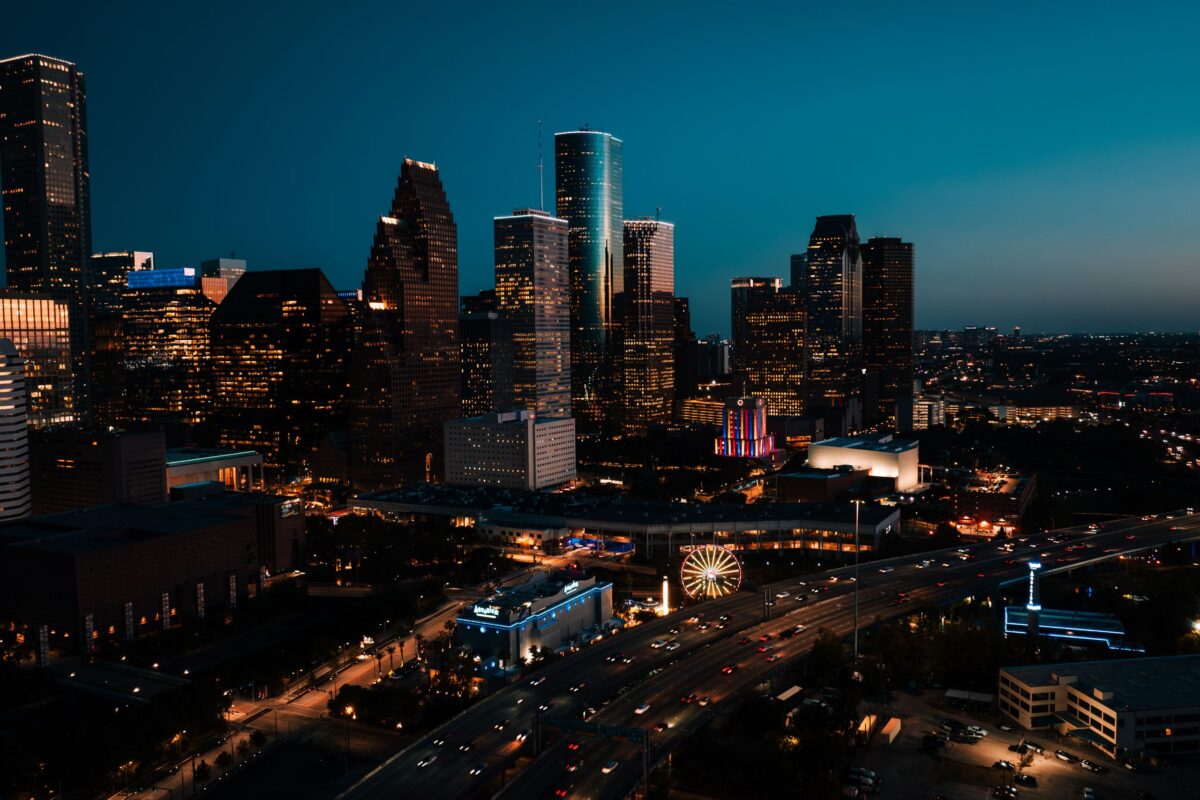
The most immediate reason Texas feels larger than life is simple: it physically is. Texas is massive in land area, stretching across deserts, forests, plains, coastal regions, and rolling hills that seem to shift endlessly as you move across it. Driving through the state is not a short experience. It is a reminder that distance behaves differently here. Towns are separated by long highways, and landscapes change slowly enough that time feels stretched.
When space is abundant, thinking becomes expansive. Cities grow outward instead of upward. Homes sit on larger lots. Roads widen instead of narrowing. Even everyday commutes take on a different rhythm, shaped by miles instead of minutes.
Texas is not just large on a map. It is large in experience. The sky feels wider. The horizon feels further away. Even silence feels stretched.
A History Built on Independence and Identity
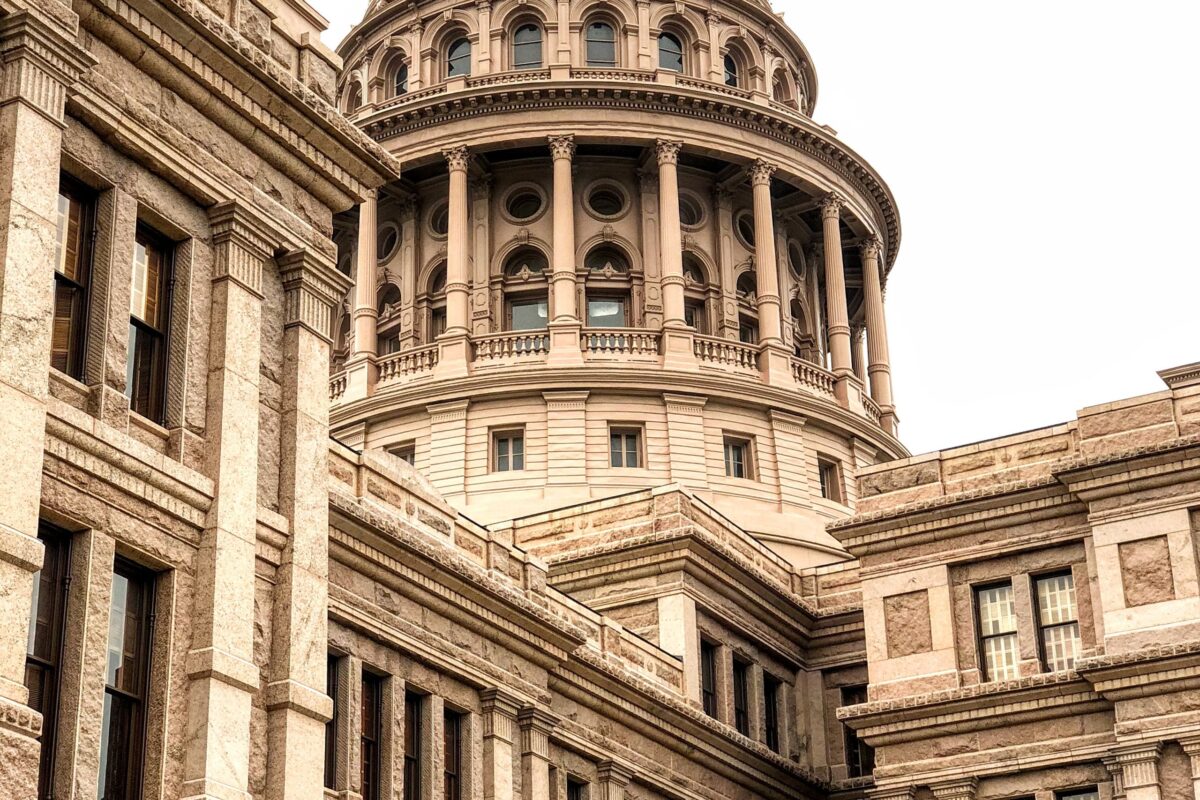
Texas does not only carry physical size. It carries historical weight that amplifies its identity. Before becoming part of the United States in 1845, Texas existed as an independent republic. That period of independence still lives deeply in the state’s cultural memory. It shaped a long-standing sense of self-reliance and distinction from the rest of the country.
That history created a psychological foundation: Texas was once its own nation, and it still, culturally, behaves as it remembers.
Flags are not just symbols. They are statements. The Lone Star is not just a decoration. It is identity. It represents independence, resilience, and a belief in standing apart.
Over time, that identity has evolved into something more performative but equally powerful. Texas does not just belong to America in perception. It also presents itself as something slightly beyond it.
Economic Power That Reinforces the Image
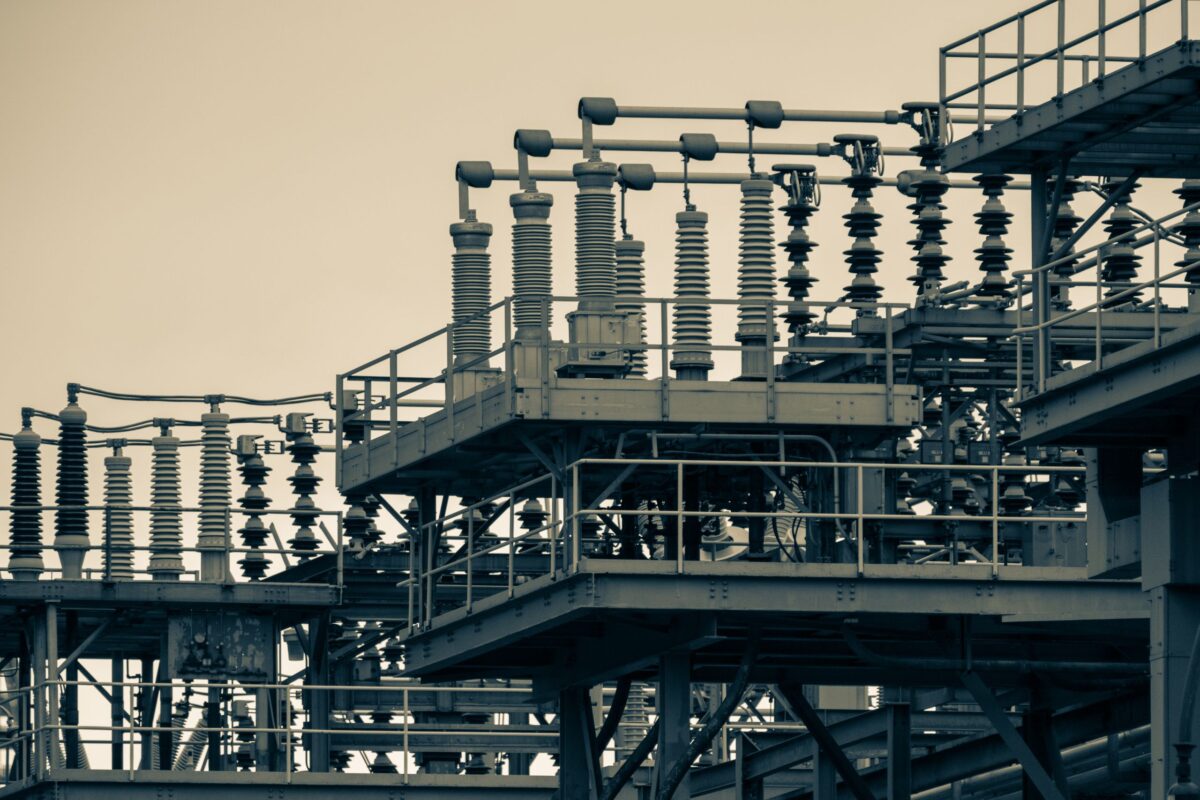
Modern Texas does not rely on history alone to maintain its reputation. Its economy has become one of the strongest in the United States, reinforcing the idea that everything here operates on a larger scale.
The state has become a major hub for energy, technology, agriculture, logistics, aerospace, manufacturing, and finance. Houston drives global energy markets. Dallas–Fort Worth serves as a major corporate and transportation hub. Austin has become a magnet for technology companies, startups, and the creative industries. San Antonio blends tourism, military presence, and healthcare into a growing urban economy.
Together, these cities create an economic ecosystem that feels almost self-sustaining in its size. Growth in Texas is visible everywhere. New housing developments appear on what was once open land. Skyscrapers reshape skylines. Industrial parks expand along highways. Data centers, warehouses, and corporate campuses rise quickly and continuously.
Texas feels big because it is constantly expanding.
Culture That Prefers Amplification Over Minimalism
Culture plays a major role in shaping the Texas identity of “bigger.”
In Texas, expression tends to lean toward boldness. Food portions are generous. Music is loud and deeply rooted in storytelling. Sports are treated as community events rather than entertainment. High school football games draw crowds comparable to those at professional events in other states. Barbecue is not just a meal; it is a ritual.
Even everyday communication often carries a sense of expansion. Stories are told with detail, emotion, and emphasis. A simple event becomes a narrative. A small success becomes a celebration. A routine gathering becomes a full-scale experience.
Texas culture rewards presence. It values visibility. It encourages people to show up fully in whatever they do, whether it is cooking, working, celebrating, or supporting a team.
That cultural energy contributes directly to the feeling of scale. Life does not feel minimal or restrained. It feels amplified.
The Cowboy Myth That Still Shapes Reality
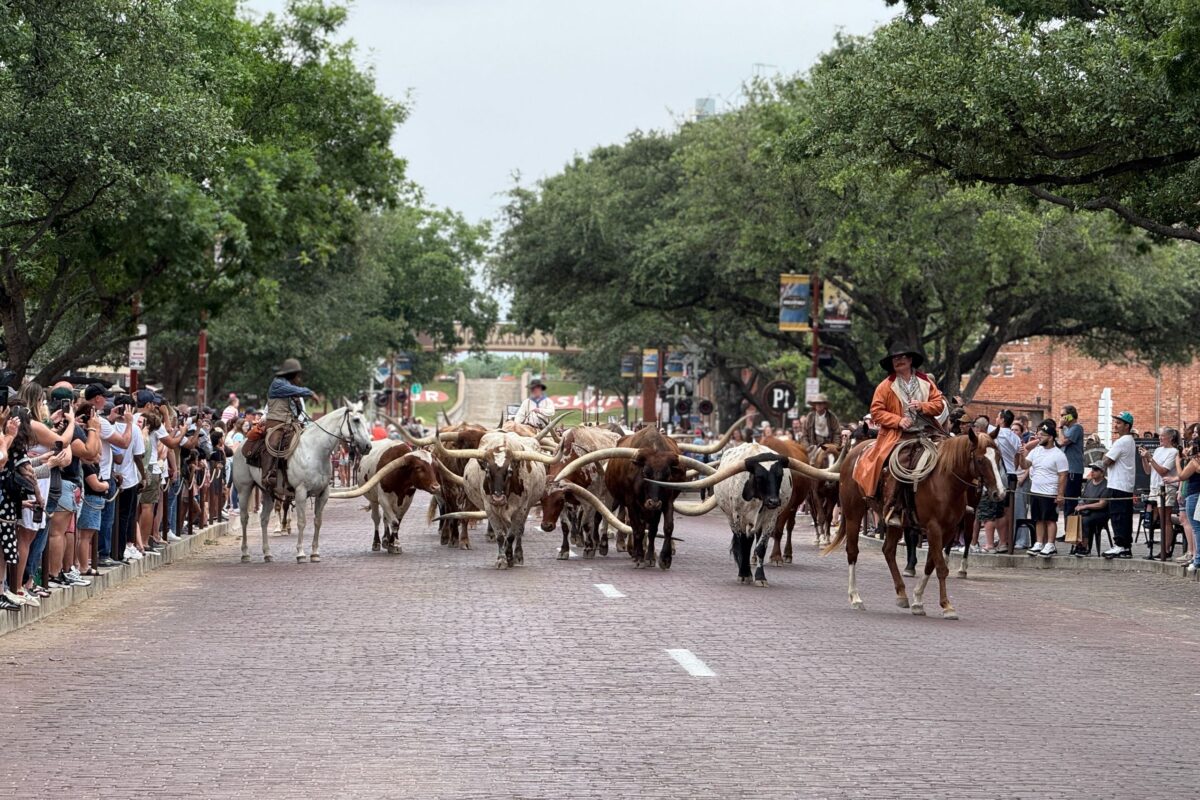
The cowboy is one of the most powerful cultural symbols in American history, and Texas has claimed it as part of its identity more than almost any other state.
Ranches, horses, boots, hats, rodeos, and wide-open land continue to shape the visual imagination of Texas. Even in modern cities, the cowboy myth persists as a cultural backdrop.
It represents toughness, independence, and a connection to land that feels older than modern infrastructure. But it also reinforces scale. Ranches are large. Rodeos are massive events. Cattle operations stretch across thousands of acres. The symbolism itself is built on openness and expansion. In Texas, even tradition feels big.
A Population Growing Into Its Own Scale
Another reason Texas feels larger is that it is growing rapidly. The state has become one of the fastest-growing population centers in the United States. Millions of people have moved there over the past decade, drawn by job opportunities, affordability compared with major coastal cities, and economic growth.
Cities expand outward. Suburbs multiply. Infrastructure stretches to keep up. Traffic increases. Schools grow. New communities emerge constantly.
Texas does not feel static. It feels like it is continuously becoming something else, something larger.
The Psychology of “Bigger”
At a deeper level, the idea that “everything is bigger in Texas” is also psychological. When people expect something to be big, they experience it as big. Texas has spent generations building a reputation that prepares visitors and residents to expect scale before they even arrive.
A large meal feels larger. A wide road feels wider. A football stadium feels overwhelming. Even ordinary experiences feel slightly elevated simply because they exist within a cultural framework that anticipates intensity.
Texas does not just deliver size. It primes people to notice size.
The Complexity Behind the Myth
Despite the romance of the slogan, Texas is also a state grappling with the complexities of rapid growth. A big population means pressure on housing, infrastructure, and public services. Big economic expansion brings inequality in the cost of living. Big cities bring congestion and environmental strain. A big political identity draws national attention and debate.
The same scale that creates opportunity also creates tension. In other words, Texas is large in impact as much as in image and that impact reaches far beyond its borders.
In other words, Texas is large in impact as much as in image. And that is why the slogan endures: Texas does not simply feel bigger. It keeps proving, in every dimension, that it is.