Why Your Jalapeño Tastes Milder Than You Remember
Have you ever bitten into a jalapeño expecting a serious kick, only to discover that it tastes surprisingly mild? You’re not alone. Many people believe grocery-store jalapeños have lost some of their heat over the years, and there are interesting reasons behind that impression.
Pepper breeders have deliberately developed milder jalapeño varieties, partly to meet food manufacturers’ needs. But the story isn’t quite as simple as saying all jalapeños have become less spicy.
Some varieties are still surprisingly hot, growing conditions can change how much heat a pepper develops, and two jalapeños from the same bag can taste completely different. So, what’s really happening to everyone’s favorite green pepper?
Jalapeños Really Have Been Bred to Be Milder
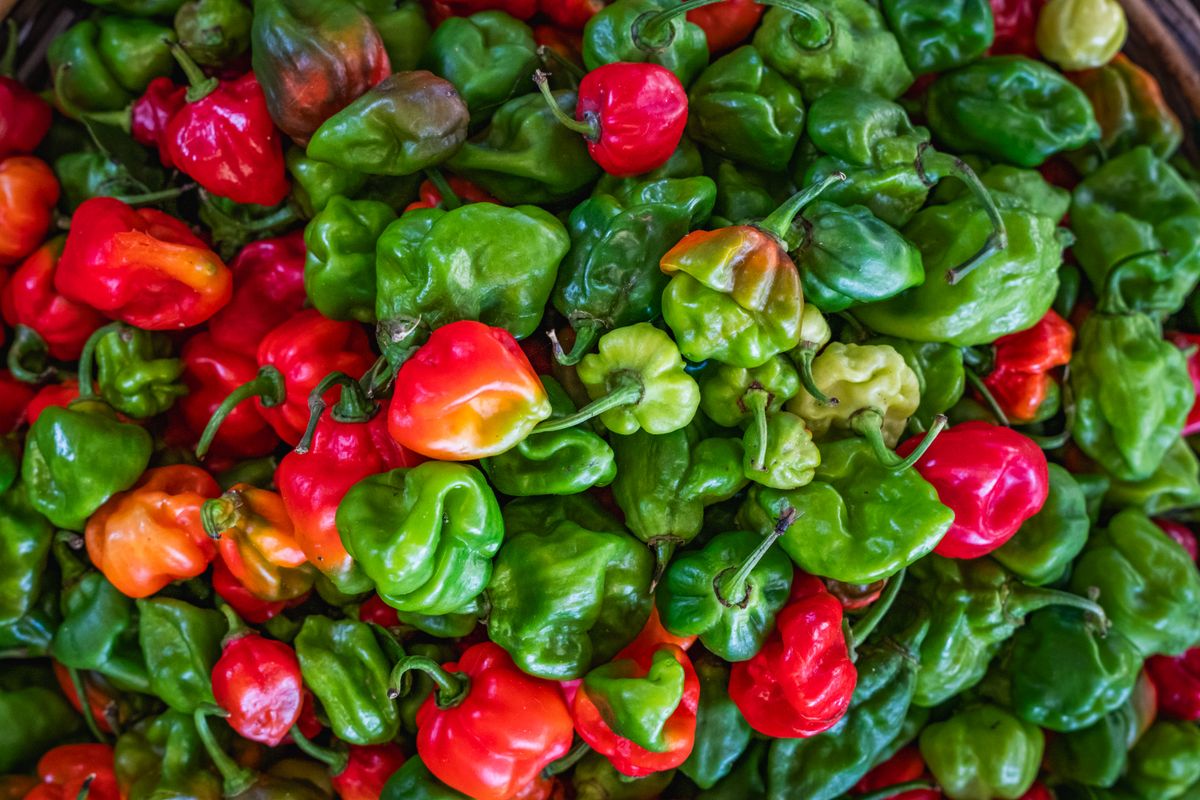
One reason today’s grocery-store jalapeños may seem less fiery is that breeders have deliberately developed varieties with reduced heat.
Texas A&M introduced TAM Mild Jalapeño in 1981. The variety was developed by plant breeder Ben Villalon, who was working on peppers with useful characteristics for commercial production. A second variety, TAM Mild Jalapeño II, followed in 2002.
According to reports, TAM Mild Jalapeño II measured approximately 1,100 to 1,600 Scoville Heat Units (SHU) in trials. That’s a relatively mild level compared with many traditional jalapeños.
New Mexico State University’s cultivar catalog also lists NuMex Primavera, a variety described as uniformly mild, at approximately 8,500 SHU. The university notes that it is much milder than industry-standard jalapeños.
These varieties show that mild jalapeños are not simply a coincidence. They result from deliberate breeding decisions.
However, that doesn’t prove every jalapeño in your local supermarket comes from one of these varieties.
Food Companies Wanted Jalapeños With More Predictable Heat
Food manufacturers became interested in milder jalapeños for a practical reason: consistency.
When a company produces salsa, canned peppers, sauces, or other processed foods, it needs ingredients that deliver a reasonably predictable flavor from one batch to another.
A pepper that is extremely hot one week and noticeably milder the next can make that job difficult. Consumers generally expect the same product to taste similar whenever they buy it.
The development of TAM Mild Jalapeño helped address this demand. Texas A&M’s breeding work produced peppers that offered a more controlled level of heat, making them attractive for commercial food processing.
Southern Living reported in July 2025 that the variety was developed partly to give food companies a more predictable pepper with consistent, mild heat.
It makes sense from a business perspective. A manufacturer producing thousands of jars of salsa needs more control over the ingredients than someone picking a few peppers from a backyard garden.
But there is an important distinction: the existence of mild commercial varieties doesn’t tell us how much of today’s grocery-store supply comes from them.
The Famous Texas A and M Pepper Didn’t Take Over Every Grocery Store
One popular explanation for milder jalapeños is that the Texas A&M varieties eventually replaced traditional hot peppers in supermarkets.
It sounds like a reasonable explanation, especially considering how widely known the mild varieties became.
However, pepper breeder Kevin Crosby of Texas A&M has challenged that idea. According to PepperScale’s reporting, many grocery-store jalapeños are hybrids unrelated to the TAM varieties.
That means the story is more complicated than one university developing a mild pepper and supermarkets switching to it.
Different growers use different varieties, and the peppers available to shoppers depend on commercial breeding and production decisions.
No comprehensive long-term study measures the heat of grocery-store jalapeños over several decades.
A 2007 claim attributed to a Seminis breeder suggested that jalapeños once commonly measured around 4,000 to 5,000 SHU, while many had fallen to approximately 2,500 to 3,500 SHU.
Those figures are interesting, but they represent an industry recollection rather than a verified long-term dataset.
So, while there are good reasons to believe many commercial jalapeños are milder, it would be misleading to claim that every jalapeño has steadily lost its heat.
Growing Conditions Can Change How Hot a Jalapeño Becomes
A pepper’s heat is not determined by its variety alone. The growing conditions can also make a difference. New Mexico State University explains that environmental stress can affect capsaicin production, the compound responsible for the burning sensation associated with hot peppers.
Interestingly, even a variety bred to be mild can become hotter when exposed to field stress.
This helps explain why two peppers from the same variety may not taste exactly alike. Growing conditions can influence their final heat levels.
Temperature is another factor researchers have investigated. One peer-reviewed study involving Mexican peppers found that higher growing temperatures reduced capsaicinoid levels in jalapeños by approximately 61.5%.
That finding is particularly interesting because people often assume hotter growing conditions automatically produce hotter peppers.
However, the study represents a specific set of growing conditions, not a universal rule for every jalapeño farm. More research would be needed before drawing broad conclusions about how climate affects pepper heat.
Two Jalapeños From the Same Bag Can Taste Completely Different
If you’ve ever bought a bag of jalapeños and found one mild while another delivered a much stronger kick, there is a reason for it.
Heat levels can vary between individual peppers, even when they come from the same variety.
A researcher quoted by Southern Living explained that capsaicin levels can differ even within the same pepper plant.
That means a grower cannot always guarantee that every pepper harvested from one plant will have the same heat level.
New Mexico State University also points out that the SHU figures listed for pepper varieties are averages. Actual results can vary by growing year and location.
This is why judging a whole bag of jalapeños based on just one pepper can be misleading.
You might get a mild one for your homemade salsa, then discover the next pepper has considerably more bite.
Some Jalapeños Are Still Extremely Hot
Although mild varieties have become an important part of commercial pepper breeding, breeders haven’t abandoned hotter jalapeños.
In fact, New Mexico State University’s Chile Pepper Institute lists varieties with heat levels far above those of mild jalapeños.
NuMex Piñata measures approximately 52,000 SHU, while NuMex Orange Spice averages around 80,000 SHU. For comparison, NuMex Primavera is listed at approximately 8,500 SHU.
That’s a substantial difference between peppers that all belong to the jalapeño family.
These varieties show that jalapeños aren’t all moving in one direction. Some have been developed for milder flavors, while others offer considerably more heat.
The variety you encounter depends on what growers choose to plant and what suppliers bring to market.
So, Are Jalapeños Actually Getting Less Spicy?
Many commercial jalapeños may be milder and more consistent than the peppers people remember. Still, there isn’t enough long-term retail data to prove that jalapeños across the board have steadily lost heat.
Deliberately mild varieties, demand from food processors, and differences in growing conditions all help explain why today’s peppers can taste different.
And if you prefer a stronger kick, don’t assume every jalapeño will disappoint you. Hotter cultivars still exist, and individual peppers can vary considerably.
Perhaps the most interesting part of this story is that the humble jalapeño has become a product of careful breeding and commercial preferences, not just something that grows hot or mild by chance.