10 Bizarre Things People Blamed for Natural Disasters
Natural disasters leave us searching for explanations. When science falls short, people turn to myths, beliefs, and unusual scapegoats.
Throughout history, blame has fallen on everything from folklore to new technology, highlighting our need for control and the power of fear and uncertainty.
The Giant Catfish- Japan’s Earthquake Blame

Japanese folklore blamed earthquakes on Namazu, a giant catfish said to thrash its tail beneath the islands. After the 1855 Edo quake, Namazu became a symbol in art and culture, reflecting attempts to explain disaster and its social impact.
Immodesty and Earthquakes
Some religious leaders have blamed earthquakes on “immodest” clothing or sinful behavior, seeing disasters as divine punishment. After earthquakes in Iran and South Asia, moral blame was placed on Western fashion, showing how old beliefs persist.
Benjamin Franklin’s Lightning Rod Blamed for Quakes

After a 1755 earthquake in Massachusetts, some blamed Benjamin Franklin’s lightning rods, claiming they interfered with God’s will. This example shows how new technology is often scapegoated when disasters strike.
Volcanic Spirits and Mount Merapi’s Eruptions
Mount Merapi in Indonesia is considered home to spirits, and eruptions are viewed as divine punishment. In 2010, a spiritual guardian refused to evacuate without a sign, showing the clash between tradition and science, with tragic results.
Swearing and Weather
Medieval Europeans believed bad language polluted the air and caused storms or bad harvests. Towns banned swearing, revealing how morality was linked to weather in earlier societies.
Witchcraft and Storms

After storms ruined crops in Würzburg, Germany, in 1615, people blamed witches for causing the weather. Many were executed, showing how fear and hardship can lead to scapegoating.
CERN’s Large Hadron Collider
Following the 2015 Nepal earthquake, some blamed the CERN Large Hadron Collider, even though it can’t cause earthquakes. This shows how unfamiliar technology is often blamed after disasters.
The Three Gorges Dam
China’s Three Gorges Dam has been blamed for triggering earthquakes or changing Earth’s rotation. While the water’s mass has a tiny effect, conspiracy theories exaggerate its impact, showing how science can be misinterpreted.
5G Towers
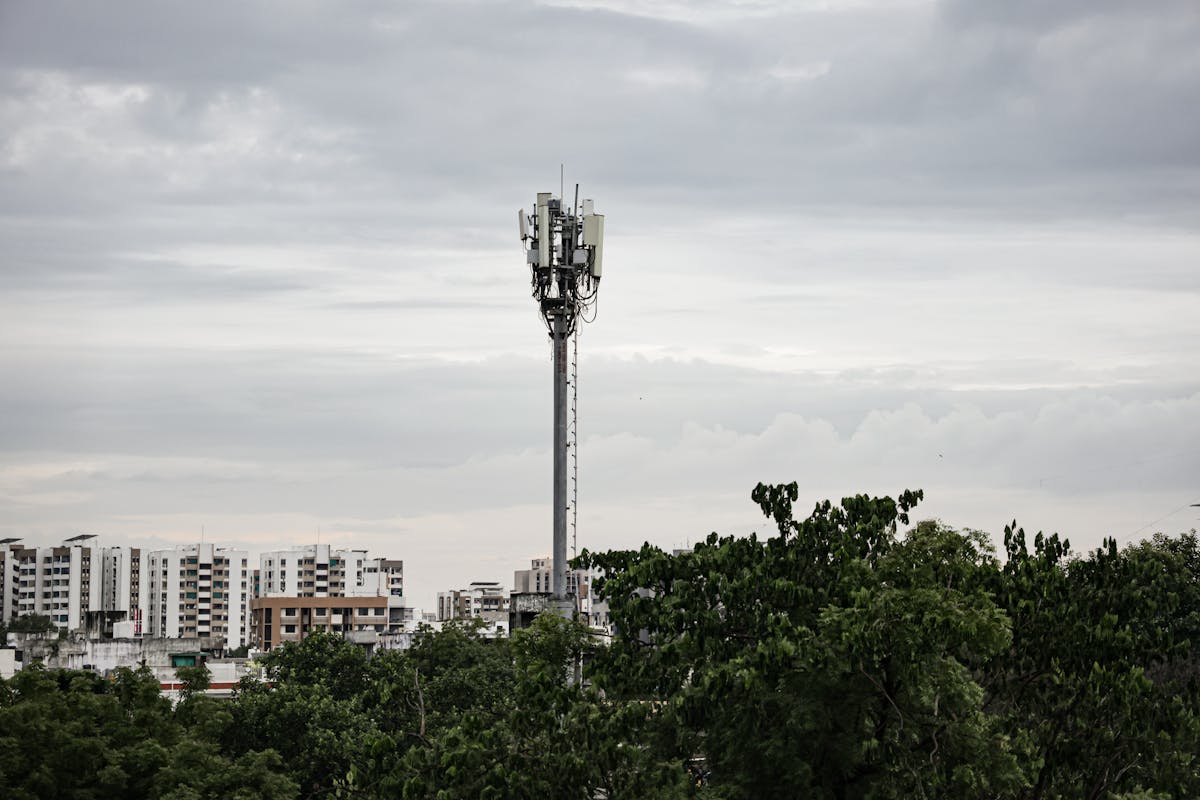
5G towers have been blamed for disasters like bushfires and bird deaths, despite no scientific evidence. These theories persist, fueled by fear of new technology and misinformation.
Skyquakes
Skyquakes, mysterious loud noises, are often linked to disasters, even though their cause is unclear. This shows how strange events become tied to disaster myths.
Conclusion
People have always blamed disasters on mysterious forces, technology, or behavior. These explanations, though often wrong, reveal our fear of the unknown. Real understanding comes from science and questioning old beliefs.