10 Discontinued Foods Companies Brought Back Because Fans Wouldn’t Stop Complaining
Few things upset loyal customers quite like discovering that their favorite snack or menu item has vanished. One day it is on the shelf, and the next day it is gone, often without any warning. For many people, the loss feels personal, especially when the food is tied to childhood memories.
In the past, customers could only write letters or complain to store managers. Today, they have social media, online petitions, and viral campaigns. Fans have learned that if they make enough noise, companies sometimes listen. Brands also know that nostalgia sells, and a comeback can generate huge headlines.
Here are ten discontinued foods that came back after fans refused to give up. Some returned permanently, while others came back for limited runs.
1. Taco Bell’s Mexican Pizza
Taco Bell removed the Mexican Pizza from its menu in November 2020 as part of an effort to simplify its menu and reduce packaging waste. Fans were furious. Many considered it one of the chain’s most iconic items, and an online petition gathered more than 170,000 signatures.
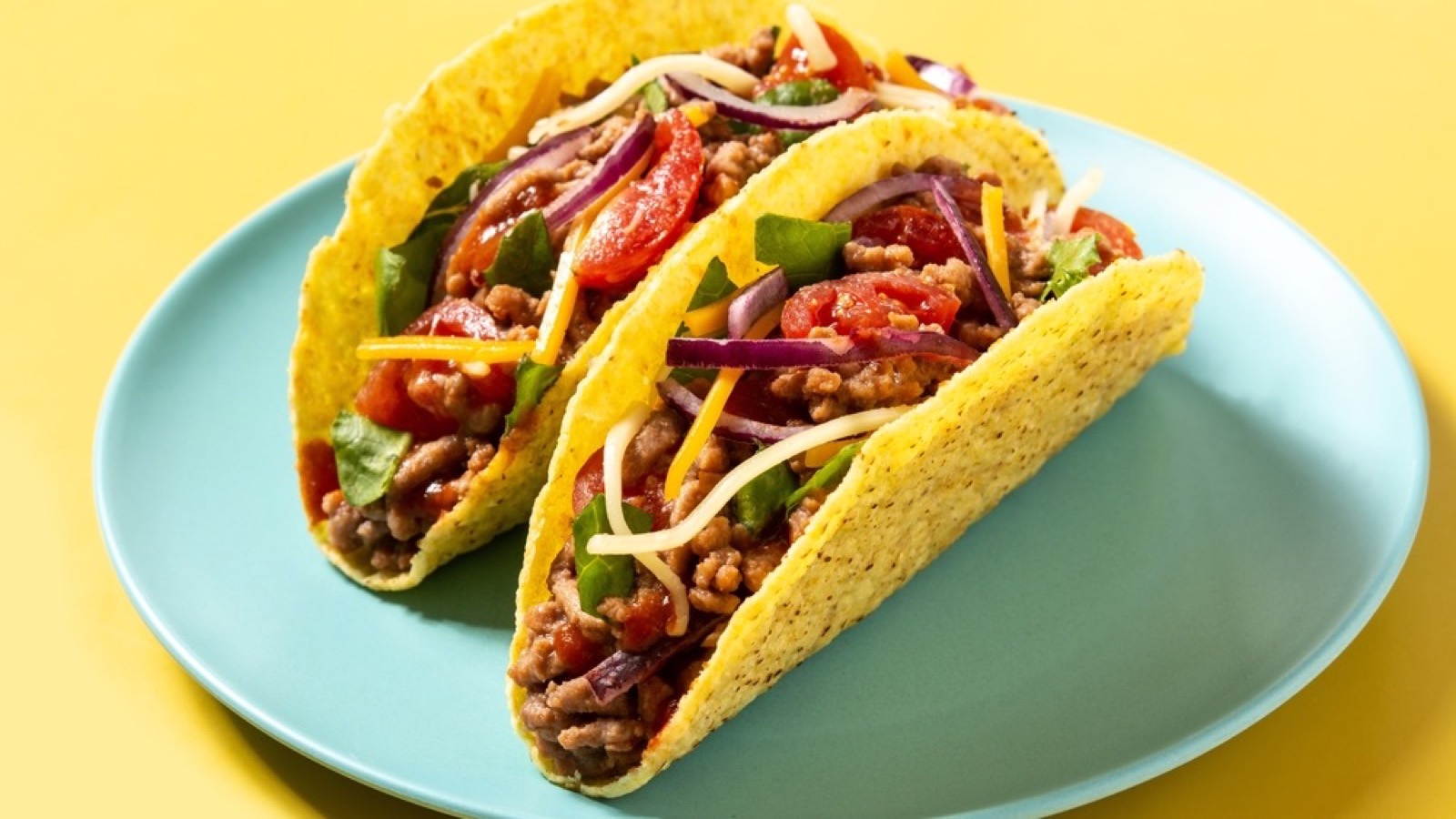
The backlash was so strong that Taco Bell announced the Mexican Pizza would return in 2022. When it came back that May, demand was so high that some restaurants ran out. The chain even created a musical inspired by the dish, with Dolly Parton involved in the promotion.
Taco Bell later made the Mexican Pizza a permanent menu item again. It is one of the clearest examples of fans winning a food fight.
2. McDonald’s Snack Wrap
McDonald’s introduced the Snack Wrap in 2006. It featured a strip of crispy chicken, lettuce, cheese, and sauce wrapped in a soft tortilla. It was affordable and portable, and it quickly became a favorite. McDonald’s discontinued it in the United States in 2016.
For nearly a decade, fans begged for its return. Social media was flooded with requests, and the Snack Wrap became one of the most talked-about discontinued fast-food items in America.
In July 2025, McDonald’s brought the Snack Wrap back nationwide. The return drew widespread attention and long lines at some locations.
3. Twinkies
In 2012, Hostess Brands filed for bankruptcy and announced it was shutting down. Shoppers rushed to grocery stores to buy the last boxes of Twinkies, Ding Dongs, and Ho Hos. Some sold Twinkies online for wildly high prices.
The panic was short-lived. Investment firms bought the Hostess brands, and Twinkies returned to store shelves in July 2013. The comeback, on July 15, 2013, was celebrated across the country.
Twinkies have remained on shelves ever since. Their brief disappearance showed just how much Americans love their snack cakes. Treats like these appear on many lists of the snacks every boomer rushed home to eat after school.
4. Dunkaroos
Dunkaroos were small cookies sold with a cup of frosting for dipping. They were introduced by General Mills in the late 1980s and became a favorite lunchbox snack in the 1990s. The kangaroo mascot made them instantly recognizable.
General Mills discontinued Dunkaroos in the United States in 2012, though they remained available in Canada. Many American fans drove across the border or ordered them online. In 2020, General Mills announced that Dunkaroos were coming back to U.S. stores.
The return was a hit with millennials who grew up with the snack. For many, it felt like a piece of childhood had returned.
5. French Toast Crunch
General Mills introduced French Toast Crunch in 1995. The cereal featured tiny pieces shaped like slices of French toast, with a sweet cinnamon and maple flavor. It was discontinued in the United States in 2006 but remained available in Canada.
Fans kept asking for its return, and in 2014, General Mills announced that French Toast Crunch would come back to American stores. The company said fan demand on social media was a big reason for the decision.
French Toast Crunch is now one of several retro cereals that General Mills has revived. Many fans say it tastes just as good as they remember.
6. Surge
Coca-Cola launched Surge in 1997 as a citrus soda to compete with Mountain Dew. It was loaded with caffeine and sugar, and its bright green color and extreme marketing made it a favorite with teenagers. Surge was discontinued in 2003.
Years later, fans formed an online campaign called the “Surge Movement.” They bought billboard space and organized social media campaigns. In 2014, Coca-Cola brought Surge back, first through Amazon, and later in some stores.
Surge’s return showed that online fan groups could make a real difference. Its comeback inspired other campaigns for discontinued drinks.
7. Crystal Pepsi
Crystal Pepsi was a clear cola introduced in 1992. It was marketed as a lighter, purer alternative to regular cola. The drink got a lot of attention at first, but sales dropped quickly, and it was discontinued in 1993.
Fans never forgot it. In 2016, Pepsi brought Crystal Pepsi back for a limited time after years of requests. It has returned for brief runs several times since then.
Crystal Pepsi has become a symbol of 1990s nostalgia. Its comebacks are often treated as events, with fans rushing to buy the limited supply.
8. Oreo O’s Cereal
Post introduced Oreo O’s cereal in 1998. It featured chocolate O-shaped pieces with a sweet cream coating, designed to taste like Oreo cookies. The cereal was discontinued in the United States around 2007 but continued to be sold in South Korea.
Fans kept asking for its return, and in 2017, Post brought Oreo O’s back to American grocery stores. The new version added marshmallow pieces made to look like the cookie’s cream filling.
Oreo O’s remain on shelves today. For many fans who grew up with the cereal, the return was a sweet surprise.
9. Burger King Chicken Fries
Burger King introduced Chicken Fries in 2005. They were strips of breaded chicken shaped like french fries and served in a fry-style container. They were designed to be easy to eat in the car.
Burger King discontinued Chicken Fries in 2012, and fans immediately started asking for them. In 2014, the chain brought them back, citing social media demand. They were later made a permanent menu item.
Chicken Fries are now one of Burger King’s signature items. Their comeback is often mentioned as one of the most successful fan campaigns in fast food.
10. Hi-C Ecto Cooler
Hi-C Ecto Cooler was a citrus drink tied to the cartoon “The Real Ghostbusters” in the late 1980s. The green drink featured the ghost Slimer on the box and became a favorite with kids. The drink was rebranded in 1997 and eventually phased out.
In 2016, Coca-Cola brought Ecto Cooler back for a limited time to coincide with the release of a new “Ghostbusters” movie. Fans who had grown up with the drink rushed to buy it. It has made limited appearances since then.
For many adults, Ecto Cooler is a reminder of after-school cartoons and juice boxes. Its return proved that even a cartoon tie-in drink can inspire lifelong loyalty.
Why Companies Listen to Fans
Companies discontinue products for practical reasons, such as low sales, high costs, or a desire to simplify. But when fans make enough noise, companies often realize there is still money to be made. A comeback can bring free publicity and draw customers back.
Social media has made it easier than ever for fans to organize. Online petitions, hashtags, and viral videos can quickly show companies how much people care. A few thousand loud fans can now reach a company’s marketing team in a matter of hours.
The Power of Nostalgia
Many of these comebacks are driven by nostalgia. People want to relive the tastes of their childhood and share them with their own children. Companies know that bringing back a beloved product can create a wave of excitement. Food memories like these are among the simple pleasures in life we often overlook.
Which discontinued food would you most like to see come back, and have you ever signed a petition to save one? Many readers say they are still waiting for their favorite.