10 Famous Foods the U.S. Restricts and the Surprising Exceptions
When people hear that a food is “banned in America,” the story usually sounds dramatic: customs officers swooping in, forbidden delicacies being confiscated, and some poor traveler watching their dinner disappear into an evidence bag.
The reality is much more interesting.
In many cases, the United States does not ban an entire food. Instead, federal rules may prohibit a particular ingredient, production method, wildlife product, or type of import while allowing a modified, domestically produced, aged, or specially approved version.
So, before you plan an underground dinner party, here are 10 famous foods that face serious U.S. restrictions, plus the surprising loopholes, exceptions, and legal versions that make the story more complicated.
Traditional Haggis
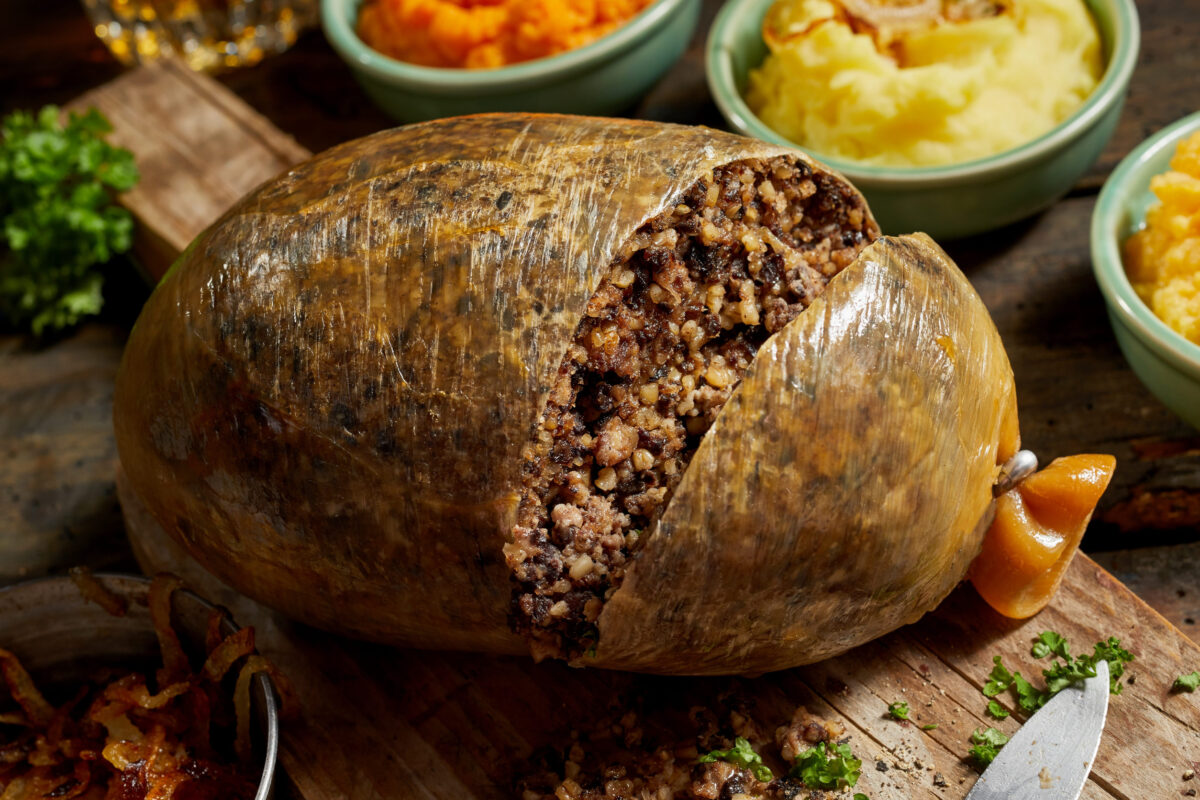
Haggis itself is not universally forbidden. The problem is one very specific traditional ingredient: sheep’s lung.
Traditional Scottish haggis can contain lung alongside other offal, oatmeal, onions, fat, and seasoning. U.S. federal meat rules say livestock lungs cannot be used as human food.
That means an American producer can make and sell haggis, just without the lung.
So the accurate version is not “America banned haggis.” It is more like: America banned the ingredient that makes many traditional Scots insist it is proper haggis.
Kinder Surprise Eggs
Chocolate? Fine.
Toys? Also fine.
A toy sealed inside the chocolate? Now we have a problem.
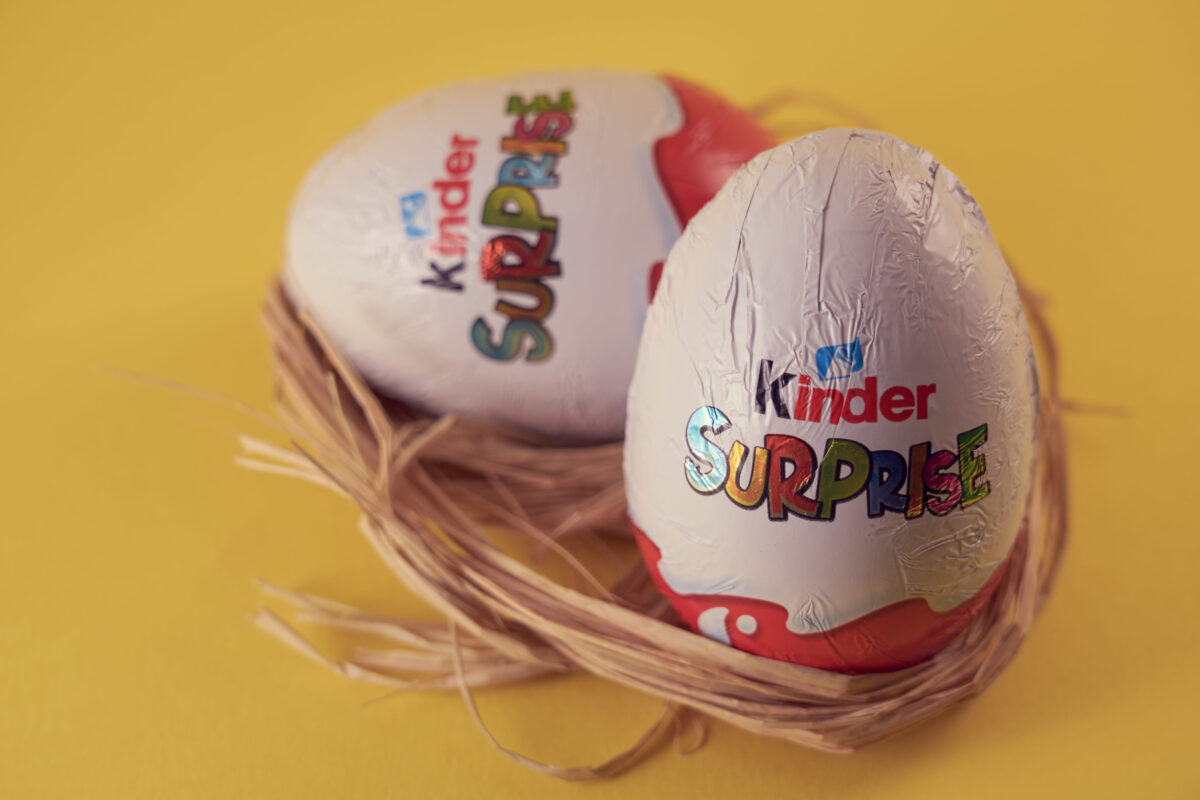
Traditional Kinder Surprise eggs contain a plastic capsule with a toy inside the hollow chocolate egg. U.S. food law generally treats confectionery containing an embedded nonfood object as adulterated unless it fits a regulatory exception.
That is why other Kinder products can be sold in the U.S. while the classic toy-inside-chocolate design runs into federal restrictions.
In other words, the surprise is literally the problem.
Related: 6 Foods You Probably Didn’t Know Are Heavily Restricted in the United States
Shark Fin Soup
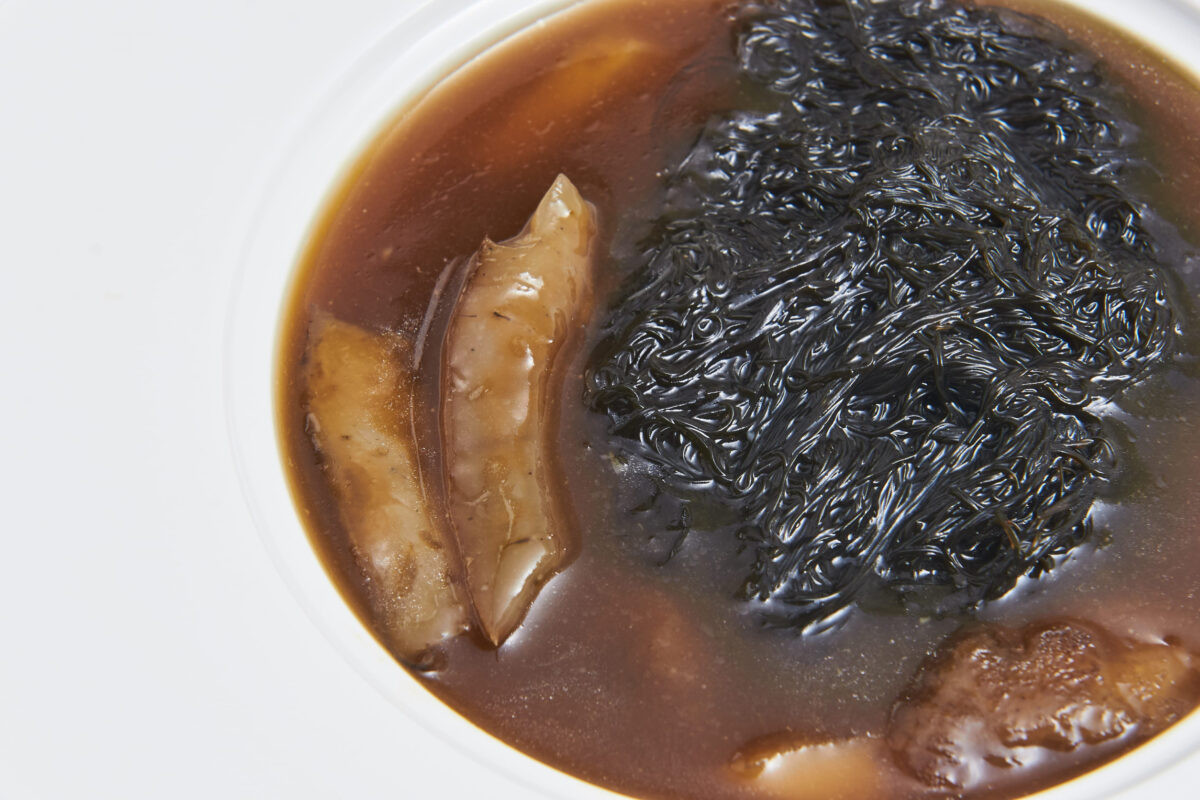
Shark fin soup has long been associated with prestigious banquets in parts of East Asia, but U.S. law now heavily restricts the detached fin trade.
Since December 2022, federal law has generally prohibited possessing, buying, selling, transporting, or offering detached shark fins and products containing them, subject to narrow exceptions.
Importantly, this does not mean shark meat itself is universally illegal, nor does the law treat every whole shark the same way.
The law primarily targets the detached fin market.
Japanese Fugu
Fugu, or pufferfish, has earned its dangerous reputation because it can contain tetrodotoxin, a potent toxin that improper preparation may leave behind.
And no, cooking it harder is not the answer. The toxin can survive cooking and freezing.
Ordinary Japanese fugu imports face strict FDA controls, and FDA policy prohibits personal importation. Yet there is a fascinating exception: specially certified imports of one species, Takifugu rubripes, can enter through a tightly controlled U.S. Japan arrangement.
So fugu is not completely illegal in America. It is more like the culinary equivalent of getting through an extremely exclusive velvet rope.
Foods Made With Tonka Beans
Some chefs prize tonka beans for their intense fragrance, often described as combining vanilla-like, almond-like, and spicy notes.
The U.S. issue is coumarin.
Federal regulations specifically treat foods containing added coumarin, including coumarin added through tonka beans or tonka extract, as adulterated.
That does not mean owning a tonka bean automatically makes you a food criminal. The restriction concerns its use as a source of added coumarin in food.
Still, as forbidden gourmet ingredients go, tonka has impressive credentials.
Caspian Beluga Caviar
Beluga caviar sounds like the ultimate luxury food, but its U.S. legal status depends heavily on its origin.
The United States suspended imports of beluga caviar and meat originating in Caspian Sea basin countries in 2005 as part of conservation protections.
But here is the twist: that does not mean every spoonful of authentic beluga caviar in America is automatically illegal.
Domestically farmed beluga has been produced in the U.S., and previously lawful or differently sourced products can fall into different legal categories.
With caviar, geography matters almost as much as price.
Sea Turtle Eggs
Sea turtle eggs have been consumed in parts of Mexico and Central America, but bringing them into U.S. commerce can quickly become a wildlife trafficking issue.
Federal protections under the Endangered Species Act and international wildlife trade rules can restrict collecting, importing, transporting, and selling protected turtles and their eggs.
The important distinction is species and population status. Not every turtle everywhere falls under exactly the same rule.
Still, for protected sea turtles, the legal trouble begins long before somebody reaches for a frying pan.
Imported Bushmeat
Bushmeat refers broadly to meat from wild animals hunted in various regions, particularly parts of Africa.
CDC guidance states that bringing bushmeat into the United States is illegal, and detected shipments can be seized and destroyed. Depending on the animal involved, wildlife, agricultural, and disease control laws may also apply.
But that does not mean all wild game in America is banned.
A legally hunted deer in the U.S. and monkey meat brought through an international airport are very different legal situations.
Young Raw Milk Soft Cheese
Here is one rule cheese lovers may find particularly painful: age matters.
Certain cheeses made from unpasteurized milk must generally be aged for at least 60 days to qualify under federal standards for U.S. interstate and import markets.
That means a young raw milk soft cheese may be restricted while an aged version or a pasteurized version can be perfectly legal.
Apparently, turning 60 is a major milestone even if you are cheese.
Ackee From Unapproved Sources
Ackee, Jamaica’s famous fruit often paired with saltfish, contains a natural toxin called hypoglycin A. Unripe fruit, seeds, and rind can contain dangerous amounts, and cooking does not simply destroy the toxin.
That history led to strict U.S. import controls.
Today, however, ackee is not universally banned. FDA rules allow qualifying firms and products to enter through approved arrangements, including certain canned and frozen products.
So “ackee is forbidden in America” is outdated. A better description is that the U.S. tightly controls which ackee products and processors make it through the door.
The Bottom Line
The phrase “banned food” makes a great headline, but food law rarely fits neatly into a simple yes or no box.
Haggis can be legal without lung. Fugu can enter under a narrow certification system. Beluga caviar can have different rules depending on origin. Raw milk cheese may simply need more time. And ackee can be completely lawful when it comes from an approved source.
So the next time someone tells you, “You can’t get that in America,” the practical question is not just, “Is it banned?”