10 Soda Fountain Drinks Your Grandparents Ordered That Have Almost Vanished
There was a time when nearly every American town had a soda fountain. It usually sat inside the corner drugstore, with a long marble counter, spinning chrome stools, and a soda jerk in a white paper hat pulling levers and pumping syrups. Teenagers met there after school, couples went there on dates, and families stopped in for a treat after a Saturday shopping trip.
At its peak in the early twentieth century, the soda fountain was a social center as important as the church or the post office. During Prohibition, when saloons were shut down, many Americans turned to fountain drinks instead. The menus were long, the names were colorful, and every fountain had its own secret recipe.
Most of those counters disappeared as bottled soda, fast-food chains, and supermarkets took over. Along with them went drinks that once seemed completely ordinary. Here are ten soda fountain drinks your grandparents ordered that you will have a hard time finding today.
1. The Egg Cream
The egg cream is famous for containing neither eggs nor cream. It is made with chocolate syrup, cold whole milk, and a hard blast of seltzer, stirred until a thick foam forms on top. The drink is most closely tied to Brooklyn and the Lower East Side of New York.
Its exact origin is still debated, but it was a staple of New York candy stores and luncheonettes for much of the twentieth century. Fans insist that it must be made with Fox’s U-Bet chocolate syrup, a Brooklyn brand that has been around since 1900.
A few old-school New York shops still serve egg creams. Outside the city, most people under 50 have never heard of one.
2. The Phosphate
Before modern soft drinks, fountain customers ordered phosphates. These were flavored syrups mixed with carbonated water and a few drops of acid phosphate, which gave the drink a sharp, tangy bite. Popular flavors included cherry, lemon, orange, and chocolate.
The phosphate was the original sour soda. It was refreshing in summer heat, and it was cheap. Drugstore fountains often promoted these drinks as health tonics as well as treats.
Acid phosphate became hard to find after World War II, and the phosphate faded from most menus. A few restored fountains now make them again for curious customers.
3. The Lime Rickey
The lime rickey started as an alcoholic drink made with gin or bourbon, lime juice, and soda water. During Prohibition, soda fountains served a booze-free version, and it became a favorite in its own right. Many fountains added sweet syrup, and some used raspberry to turn it pink.
The drink remains especially popular in parts of New England, where some ice cream shops and diners still serve it. Elsewhere, it has almost disappeared.
For many grandparents, the cold, tart lime rickey was the taste of summer vacation. It was the drink to order when it was too hot for ice cream.
4. The Cherry Coke Made by Hand
Long before Coca-Cola sold Cherry Coke in cans in 1985, soda jerks made it by hand. They pumped a shot of cherry syrup into a glass of fountain Coca-Cola and stirred. Vanilla Coke and lemon Coke were made the same way.
Customers could adjust the flavor to their taste. Some wanted just a splash of cherry, while others asked for a double shot. That personal touch is something many older Americans still miss.
Today, flavor machines at fast-food restaurants offer something similar. But many people say a hand-mixed fountain Cherry Coke had a brighter, fresher taste.
5. The Black Cow
A black cow is a root beer float made with chocolate ice cream instead of vanilla, though the name has meant different things in different regions. In some places, it simply meant root beer with vanilla ice cream. In others, it meant cola with chocolate ice cream.
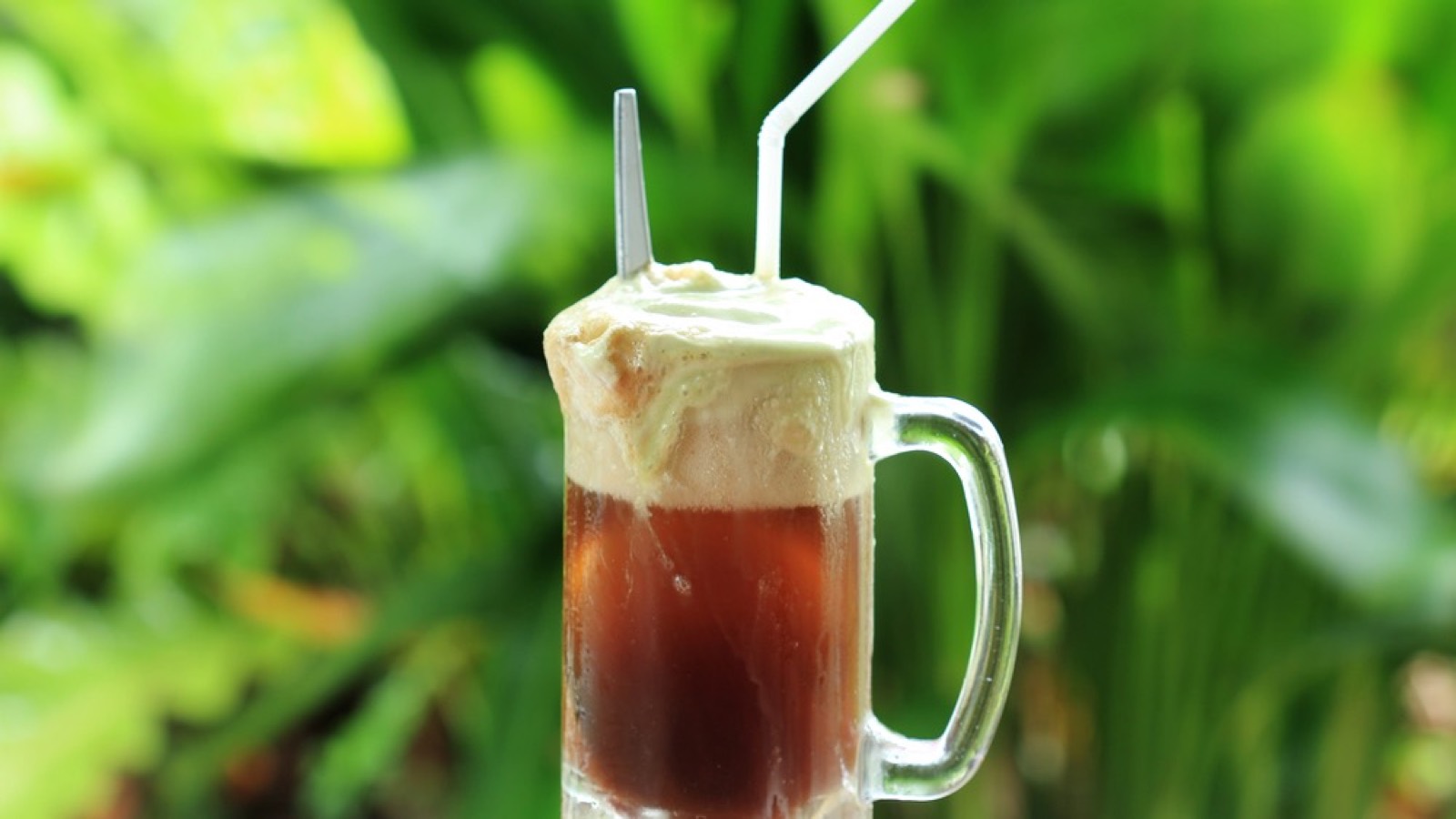
Whatever the recipe, the black cow was a towering, foamy treat served in a tall glass with a long spoon. It was messy, sweet, and impossible to finish without a straw and a spoon. Kids ordered it for birthdays and special occasions.
Root beer floats are still common, but the name “black cow” has faded. Many younger people have no idea what it means.
6. The Malted Milk
Malted milk powder was invented in the 1880s by William and James Horlick, brothers who originally marketed it as a nutritious food for infants and invalids. Soda fountains soon discovered that a spoonful of malt powder made milkshakes richer and nuttier. The chocolate malt became a fountain classic.
In the 1940s and 1950s, the malt was a favorite with teenagers. It appeared in movies and on television as the drink of choice for young couples sharing a booth.
Many modern ice cream shops do not keep malt powder on hand anymore. Ordering a malt today often gets a puzzled look. Still, it remains one of the foods most boomers loved with a passion.
7. The Brown Cow and the Purple Cow
Soda fountains loved animal names. The brown cow was usually cola poured over vanilla ice cream. The purple cow combined grape soda or grape juice with vanilla ice cream, creating a bright purple foam that delighted children.
These drinks were simple variations on the float, but each had its own fan base. Ordering one felt playful, and the names made kids giggle.
Very few places still list these drinks on their menus. They are mostly remembered in old cookbooks and by people who grew up at the counter.
8. The Ice Cream Soda
The ice cream soda was the king of the fountain menu for decades. It combined flavored syrup, a splash of milk or cream, carbonated water, and a scoop of ice cream, all in one tall glass. Common versions included chocolate, strawberry, and coffee.
Unlike a float, an ice cream soda was carefully mixed so the syrup, soda, and ice cream blended together. Soda jerks took pride in making the perfect foam. According to a popular story, some towns frowned on selling it on Sundays, which may have helped give rise to the ice cream sundae.
Today, it is rare to find a true ice cream soda outside a historic fountain. Most people have replaced it with milkshakes or simple floats.
9. Coca-Cola With a Squirt of Ammonia
This one sounds alarming today. In the early twentieth century, some drugstore customers ordered a “Coke and ammonia,” a fountain Coca-Cola with a few drops of aromatic spirits of ammonia. People believed it cured headaches, hangovers, and fatigue.
Aromatic ammonia was a common drugstore remedy at the time, often used as smelling salts. The drink was especially popular in the South. It fell out of favor as medical advice changed and fountain counters closed.
This is one fountain drink nobody should try to bring back. It is a reminder of how much our ideas about health have changed.
10. The Chocolate Phosphate
The chocolate phosphate deserves its own mention. It combined chocolate syrup, acid phosphate, and soda water into a drink that was tangy and sweet at the same time. It had a lighter, more refreshing taste than an egg cream or a milkshake.
Many old soda jerks considered it a true test of skill. Getting the right balance of tart and sweet was not easy. It was a drink for people who wanted something cold without feeling stuffed.
Today, only a few restored soda fountains serve it. Those who try it are often surprised by how good it tastes.
Why the Soda Fountain Disappeared
The decline of the soda fountain began after World War II. Bottled and canned soft drinks became cheap and easy to buy at the grocery store. Families moved to the suburbs, and shopping malls and fast-food chains replaced the downtown drugstore.
Labor costs also played a role. Running a fountain required skilled staff, and many drugstores decided it was no longer worth the trouble. By the 1970s, most counters were gone. They are among the many things only people who grew up in the 70s will understand.
Where You Can Still Find Them
A handful of restored soda fountains still operate across the country, often in historic downtowns. Some have been run by the same families for generations, and others were revived by people who missed the old counters. Visiting one feels like stepping back into another era.
The menus still list egg creams, phosphates, and malts, and the soda jerks still wear paper hats. For many grandparents, it is the closest thing to going home again. The fountain counter belongs on any list of boomer childhood things that have quietly vanished.
Which soda fountain drink did you order as a kid, and do you remember the name of your town’s drugstore? Many readers still remember the exact stool they sat on.