10 Things You Should Never Buy in Bulk
Buying in bulk can be a smart way to save, but only if you finish what you buy while it still tastes good. A jumbo package that goes stale halfway through costs more per serving than the small one you actually used up.
Extension services and consumer experts point to the same culprits again and again: oils, whole grains, ground spices, coffee and big jugs of condiments. Here are 10 things most households are better off buying in normal sizes.
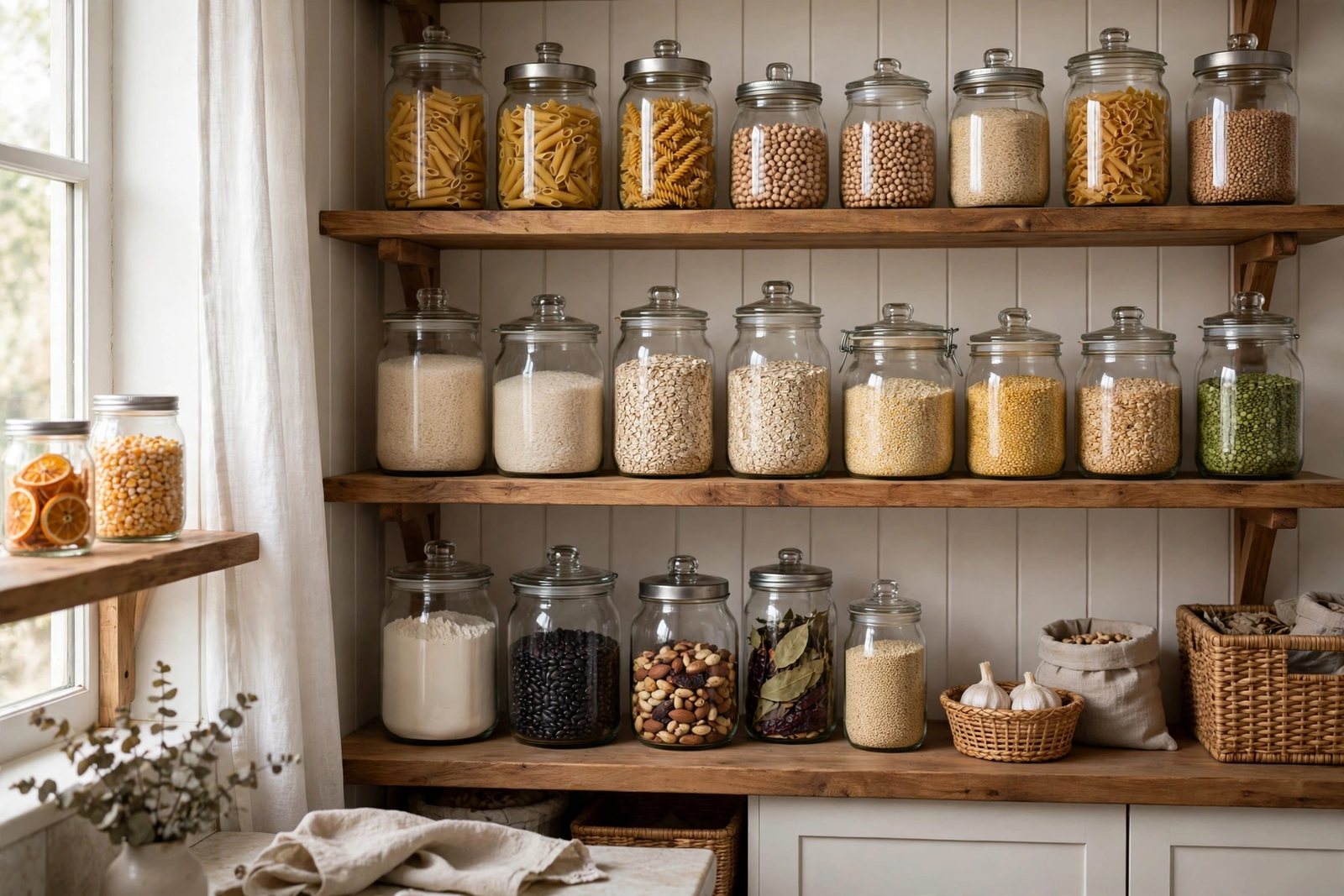
1. Cooking oil
That giant jug of oil looks like a deal, but oil doesn’t keep its quality forever. Penn State Extension’s guide to storing staple ingredients says vegetable oil keeps about 6 to 12 months unopened and 1 to 6 months once opened, stored somewhere cool and dark. Nut oils like walnut and sesame have an even shorter run.
AARP’s shopping guide warns that huge tins of extra-virgin olive oil may turn rancid before you finish them, and notes that rancid oil smells like crayons or glue. Unless you cook for a crowd, the medium bottle usually wins. Storing it right is part of the battle, too, and leaving oil next to the stove is one of those kitchen mistakes most of us are guilty of at some point.
2. Whole wheat flour
Whole wheat flour contains natural oils from the wheat germ, which is why it doesn’t keep like white flour. Clemson Cooperative Extension’s pantry storage chart lists it at about 3 months, best refrigerated or frozen. Penn State recommends keeping it in the refrigerator year-round.
White all-purpose flour is the better bulk buy. Penn State says it keeps up to two years in the refrigerator.
3. Brown rice
Brown rice keeps its bran layer, and that makes a difference in storage. Clemson’s chart lists brown rice at about 6 months in the pantry, compared with about a year for regular rice. If you love brown rice, buy a bag you’ll finish in a few months, and stock up on white rice instead, a classic among the budget foods even wealthy families still eat.
4. Ground spices
A huge container of ground spice will probably outlast its flavor. Penn State suggests checking ground spices and dried herbs after six months and replacing them if the aroma has faded. Whole spices like cloves, nutmeg and cinnamon sticks hold their quality for more than two years, the extension service says, so those are a safer bet for stocking up. Grinding whole spices at home is one of those thrifty boomer habits that are making a comeback in younger kitchens.
5. Nuts
Nuts are tempting at the warehouse store, but their natural oils mean they don’t sit happily in the pantry for long. Clemson lists unshelled nuts at about 6 to 12 months in the pantry. If you do buy a big bag, the freezer is your friend. Our list of foods retirees buy in bulk every winter has smarter stock-up picks for cold months.
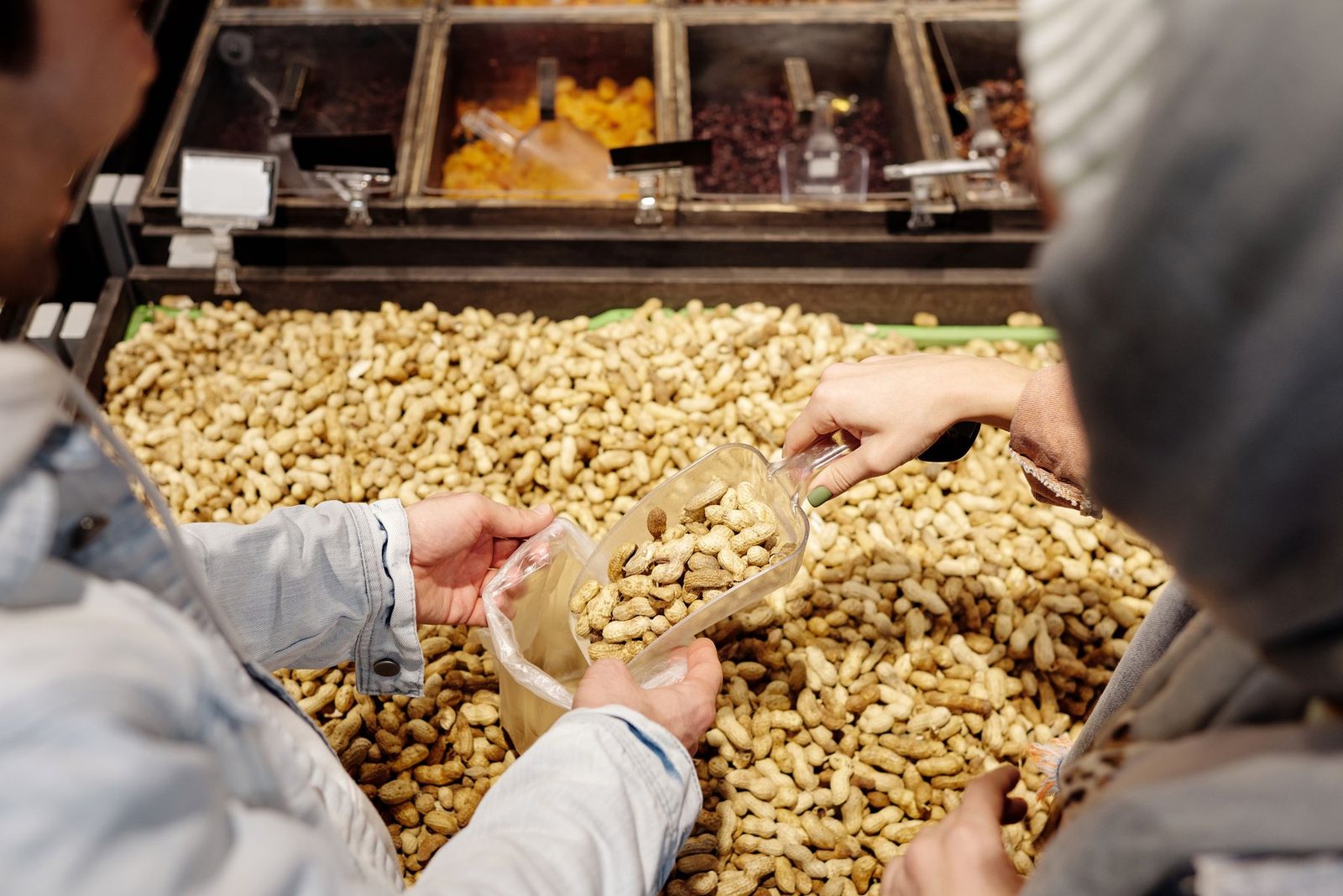
6. Coffee
Coffee lovers know the difference between fresh and stale beans. AARP’s bulk-buying guide recommends buying coffee in small amounts and storing it in an opaque, airtight container for the best flavor. If you freeze a big bag, the guide suggests thawing no more than a week’s supply at a time. If you’re heading to the warehouse store anyway, food editors have shared the Costco finds they think are actually worth it.
7. Big jugs of condiments
That gallon of ketchup only makes sense for a restaurant or a big family. AARP says unopened ketchup, barbecue sauce and cocktail sauce last about a year, but once opened they last about four to six months in the fridge. Its advice is short and sweet: skip the jug.
8. Fresh produce
A case of strawberries or a 10-pound bag of lettuce mix rarely makes it to the last serving. The FDA’s tips for reducing food waste recommend planning meals, buying only what you need and being cautious with bulk purchases of items that spoil quickly. Buy fresh produce for the week, and lean on frozen fruits and vegetables when you want to stock up.
9. Baking powder
Baking powder loses its rising power over time, and most home bakers use only a teaspoon or two at a time. Penn State suggests checking the date and doing a quick test: stir 1 teaspoon into 1/3 cup of hot water, and if it foams vigorously, it still works. A small can you’ll use up is better than a giant tub that falls flat.
10. Anything you’ve never tried before
This one is about value. A bulk-size box of a new cereal, snack or sauce is a gamble. If your family doesn’t like it, you’re stuck with a lot of it. Buy the regular size first, and save the jumbo pack for the favorites you know will disappear.
The bottom line
Bulk buying works best for things that keep well and that you use often, like white rice, dried pasta and frozen vegetables. For oils, whole grains, ground spices, coffee, nuts and condiments, the smaller package is often the better deal in the end.