10 Things You Should Never Leave in Your Glove Box
The glove box is one of the handiest places in a car. It keeps important items within reach, gives you somewhere to store small essentials, and helps prevent loose belongings from rolling around the cabin. But just because something fits inside doesn’t mean it belongs there.
From medications and sunscreen to spare keys and financial documents, some everyday items can become damaged, create unnecessary risks, or expose you to theft when left inside a parked vehicle. And don’t assume the glove box protects everything from heat. Even when the compartment is closed, the temperature inside a parked car can rise considerably on a sunny day.
A 2005 study published in Pediatrics found that the temperature inside a parked vehicle increased by approximately 40 degrees Fahrenheit on average during one hour of testing. Even on the coolest day studied, when the outside temperature was 72 degrees, the vehicle interior reached 117 degrees.
So, before you turn your glove box into a permanent storage cupboard, here are 10 things worth removing.
Prescription and Over-the-Counter Medicines
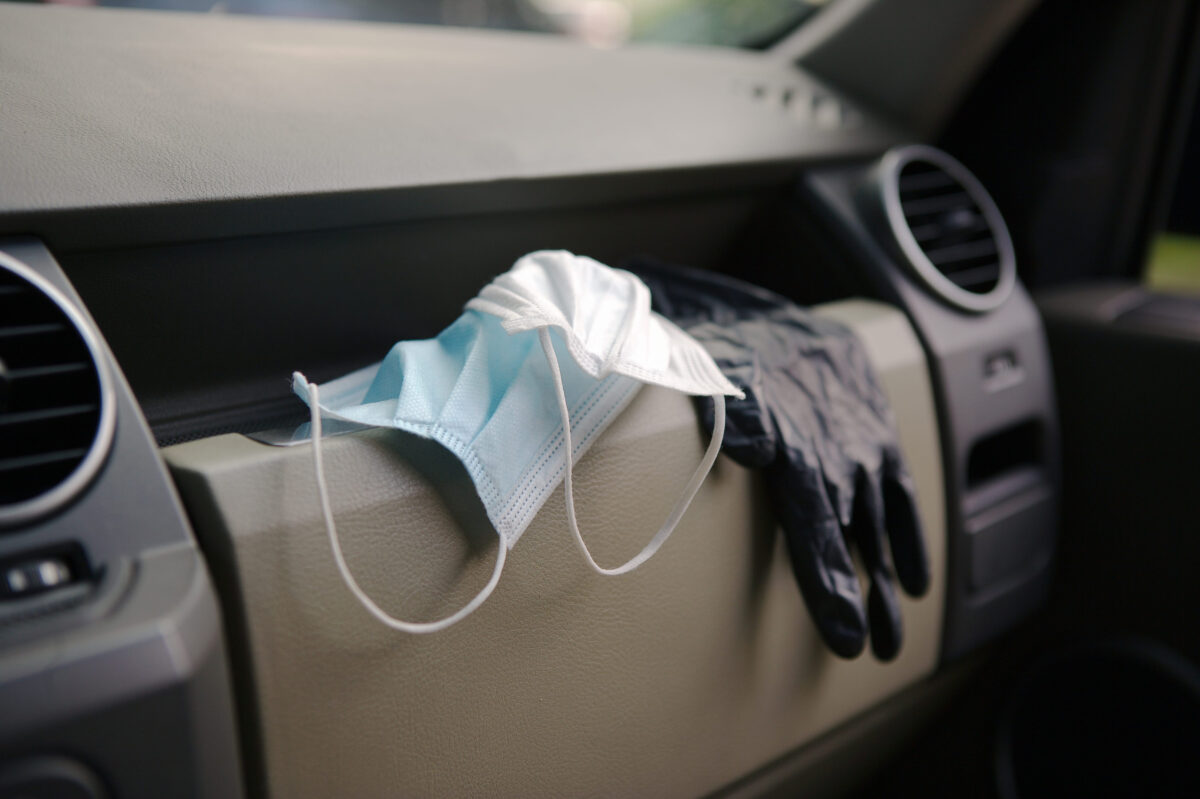
Keeping a few medications in the car might seem like a smart way to prepare for unexpected situations. However, a parked vehicle is not a reliable place to store temperature-sensitive medicine.
Excessive heat and cold can affect how certain medications work. Insulin is a particularly important example. The Food and Drug Administration warns that exposure to extreme temperatures can reduce insulin’s effectiveness, potentially making blood glucose harder to manage.
Different insulin products also have different storage requirements. Some have specific limits for how long they can remain at room temperature, depending on their formulation and packaging.
The Centers for Disease Control and Prevention specifically advises against leaving diabetes medicines in a hot car.
Instead, carry necessary medications with you and follow the storage instructions on their packaging. If a medication has been exposed to extreme temperatures, ask a pharmacist or manufacturer whether it is still suitable for use.
Sunscreen

That bottle of sunscreen you keep in your glove box for spontaneous beach trips or outdoor activities might not be doing you as much good as you think.
Heat can accelerate the breakdown of sunscreen ingredients and affect the product’s consistency. The American Academy of Dermatology advises against storing sunscreen in a hot car because excessive heat can cause it to deteriorate.
You might notice changes such as an unusual smell, altered color, separation, or a dry, flaky texture. These can be signs that the product has spoiled, even if its printed expiration date has not arrived.
The concern is that deteriorated sunscreen may no longer provide the protection you expect.
A better option is to store sunscreen indoors and carry it in your bag when heading outside. If you’re spending an extended period outdoors, keep the container shaded and follow its storage instructions.
Aerosol Cans
Hairspray, deodorant, spray lubricants, and other aerosol products are convenient to keep nearby. Unfortunately, they can become a problem when exposed to excessive heat.
Aerosol cans are pressurized containers. As their temperature increases, the pressure inside can rise, potentially causing the container to rupture.
This is not just a theoretical concern. In March 2007, an aerosol can exploded inside a maintenance truck at Sandia National Laboratories in New Mexico, damaging the windshield. Investigators found no evidence of ignition and believed solar heating had caused excessive pressure inside the can.
The incident involved a can sitting on the dashboard, not inside a glove box, but it demonstrates why storing pressurized products in hot vehicles is a poor idea.
Check the manufacturer’s storage instructions and keep aerosol products in a cool, appropriate location instead of leaving them permanently inside your car.
Power Banks and Portable Electronics

A spare phone, tablet, or power bank can be useful during long journeys. However, leaving rechargeable electronics in a parked car exposes them to temperature conditions they may not be designed to handle.
Lithium-ion batteries, commonly found in portable electronics, are sensitive to extreme temperatures. Excessive heat can shorten battery life and, under certain conditions, contribute to battery failure.
Apple warns users not to leave iPhones and iPads inside parked cars because vehicle temperatures can exceed the devices’ recommended storage range.
For example, Apple lists a storage temperature range of -4 to 113 degrees Fahrenheit for these devices. That is separate from the recommended operating range.
The National Fire Protection Association also identifies extreme temperatures as a risk factor for lithium-ion battery safety.
Make it a habit to remove power banks and portable electronics whenever you leave your vehicle. Store them according to their manufacturers’ instructions.
Blood-Glucose Meters and Test Strips
For people who monitor their blood glucose, keeping a backup meter and test strips in the car might seem convenient. Unfortunately, these supplies need more careful storage.
The FDA warns that exposure to excessive heat and humidity can damage glucose meters and test strips. Heat can affect the substances used in the testing process, potentially producing inaccurate readings.
That matters because someone may make an important health decision based on the result their meter displays.
The CDC also advises people with diabetes to protect their testing supplies from extreme temperatures and moisture.
Instead of leaving them in the glove box, keep your meter and strips in a suitable portable case. Follow the manufacturer’s storage instructions and keep test-strip containers tightly closed when not in use.
Social Security Cards and Sensitive Documents
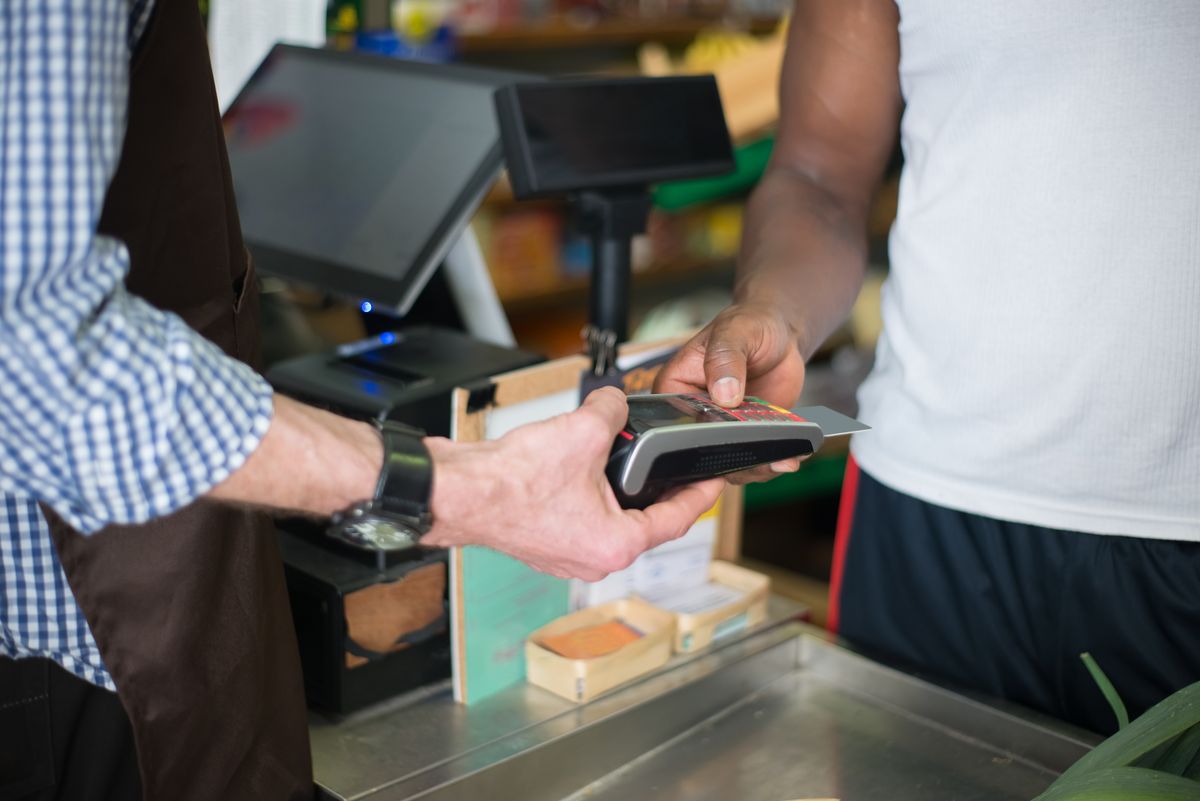
Your glove box might seem like a convenient hiding place for important paperwork, but it is not the best location for documents containing your Social Security number.
The Social Security Administration recommends keeping your card in a secure place with other important documents and carrying it only when necessary.
Why does this matter? If someone breaks into your vehicle, they could potentially access sensitive personal information.
The Federal Trade Commission explains that stolen identifying information can be used to open credit accounts, misuse existing accounts, or commit other forms of identity theft.
Keeping your Social Security card in your vehicle creates an unnecessary opportunity for someone to access that information.
Store it securely at home, and take it only when a specific situation requires it.
Your Original Vehicle Title
Your vehicle title and registration document are different. Confusing the two could lead to an avoidable headache.
A vehicle title is an ownership document used to establish and transfer legal ownership. Registration, on the other hand, authorizes the vehicle to operate on public roads.
New York’s Department of Motor Vehicles specifically advises drivers not to keep their vehicle titles inside their cars. Wisconsin’s DMV provides similar guidance.
If your vehicle is stolen or someone breaks into it, having the original title inside creates another document you may need to replace.
Keep the original in a secure location at home. If you’re selling the vehicle or completing an official transaction, bring it along when necessary.
Remember, possessing someone else’s title does not automatically make you the legal owner of that vehicle.
Spare Vehicle Keys and Valet Keys
A spare key can save the day when you accidentally lock yourself out. But storing it inside your glove box defeats much of the purpose of keeping it secure.
If someone breaks into your car and finds the spare key, they may have an easier time driving away.
Montgomery County Police specifically warns drivers against leaving spare and valet keys inside their vehicles. It also points out that valet keys can still start the engine.
Keep duplicate keys somewhere secure outside the vehicle, where only you or someone you trust can access them.
A glove box is convenient, but convenience should never come at the expense of vehicle security.
Credit Cards and Financial Documents
An extra debit card, credit card, checkbook, or bank statement might seem useful to keep in the car for emergencies. However, leaving financial information unattended creates an unnecessary theft risk.
The National Highway Traffic Safety Administration advises drivers not to leave valuables inside their vehicles.
If someone gains access to your glove box, they could potentially take payment cards or documents containing sensitive financial information.
The Federal Trade Commission recommends protecting financial records and monitoring accounts for suspicious activity.
If a debit card goes missing, reporting the loss promptly is particularly important. The Consumer Financial Protection Bureau explains that reporting within two business days after discovering the loss generally limits a consumer’s liability to no more than $50 under applicable federal rules.
Keep spare financial documents at home and carry only the payment methods you actually need.
Perishable Snacks and Foods
That leftover sandwich, yogurt, or cheese snack might seem harmless sitting in your glove box for a few hours. However, perishable food needs proper temperature control.
According to the USDA, bacteria can multiply rapidly when perishable foods remain in the temperature danger zone of 40 to 140 degrees Fahrenheit.
The FDA recommends refrigerating perishable foods within two hours, or within one hour when the surrounding temperature exceeds 90 degrees Fahrenheit.
A parked car can become much hotter than the outside air, making it a particularly poor place to store refrigerated snacks.
If you need to carry sandwiches, dairy products, or leftovers during a road trip, use an insulated cooler with sufficient ice or frozen gel packs.
Shelf-stable snacks are a better choice when you need something that can safely remain in your vehicle for longer periods.
Give Your Glove Box a Quick Check
Your glove box should make driving more convenient, not become a storage space for items that can deteriorate, attract thieves, or create unnecessary problems.
Take a few minutes to remove unnecessary belongings and organize what’s left. Keep your vehicle title and sensitive documents somewhere secure, remove spare keys and valuables, and follow the storage instructions for medicines and electronics.
One important exception: don’t automatically remove your vehicle registration or proof of insurance. Requirements vary by location, and some jurisdictions require drivers to keep specific documents in the vehicle.
The goal isn’t to empty your glove box completely. It’s to keep the right things in it.
A little organization today could save you from an expensive or frustrating surprise later.