9 Foods Kids Bought With Their Allowance in the 1960s
For kids in the 1960s, a weekly allowance felt like a fortune. A quarter or two, earned by taking out the trash, making beds or helping with the dishes, could buy a surprising amount at the corner drugstore, five-and-dime or neighborhood market. Kids rode their bikes into town on Saturday with coins jingling in their pockets and big decisions to make.
Most of that money went straight to sweets and treats. Prices were low enough that a single nickel could buy several pieces of candy, and kids carefully weighed their options before handing over their coins. Ask boomers today and many can still name their favorite allowance purchases. Here are nine foods kids bought with their allowance in the 1960s.
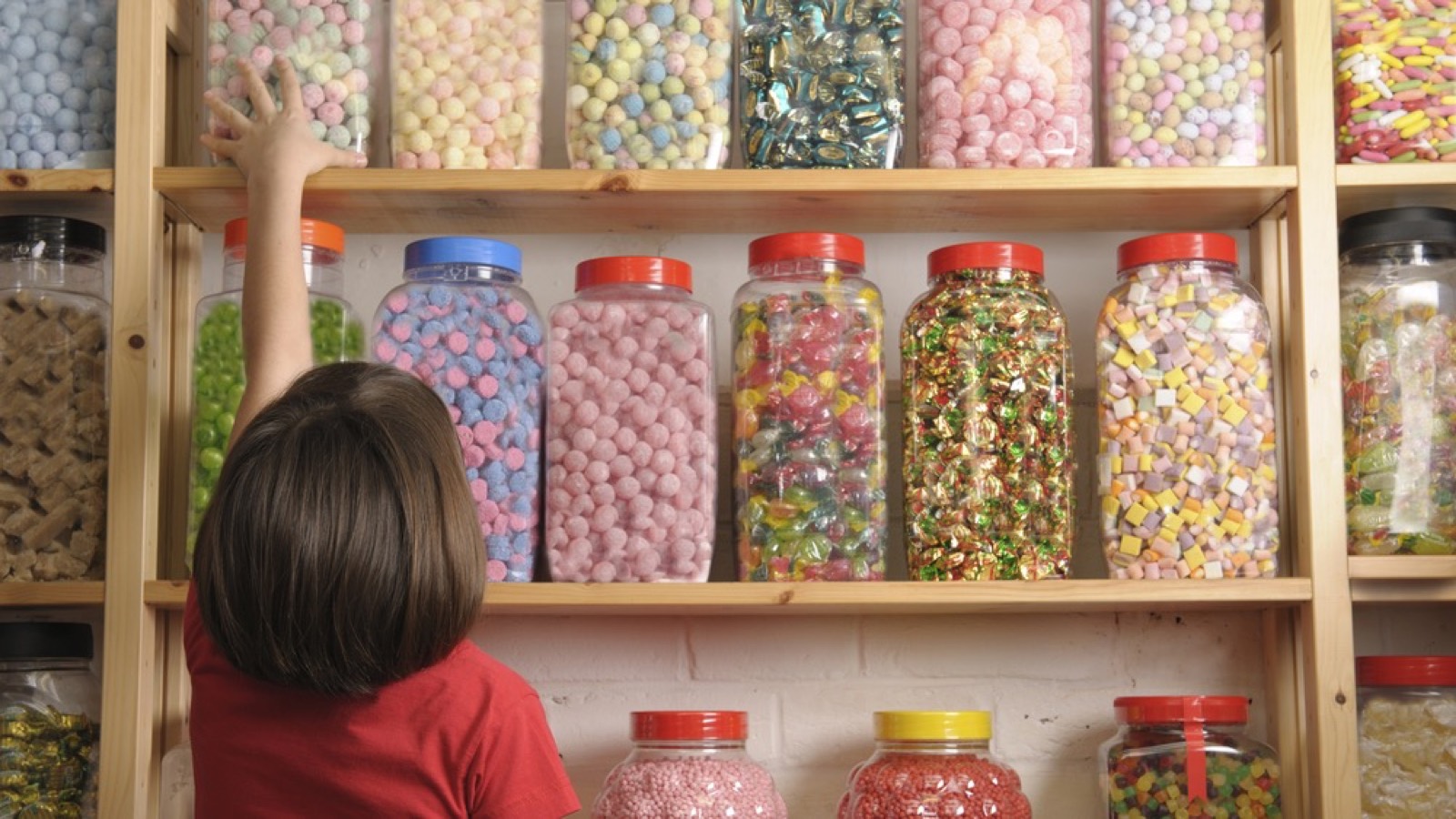
1. Penny Candy From a Glass Jar
The penny candy counter was the highlight of any trip to the corner store. Rows of glass jars held Mary Janes, Tootsie Roll pops, Bazooka bubble gum, Squirrel Nut Zippers, root beer barrels and Bit-O-Honey. Many pieces really did cost a penny, so a dime could fill a small paper bag.
Kids would stand at the counter for what felt like an eternity, pointing at one piece after another while a patient clerk counted them out. Boomers often say the choosing was half the fun. Many still remember the exact store, jar and clerk.
2. Candy Cigarettes
Candy cigarettes were a common sight in the 1960s. They came in little boxes designed to look like real cigarette packs, and kids pretended to smoke them the way they saw adults do. Some versions were chalky white sticks with a pink tip, while others were bubble gum wrapped in paper that let out a puff of powdered sugar.
Today, the idea seems shocking, and the candy was later renamed “candy sticks” by many makers as attitudes about smoking changed. But for boomers, it’s a vivid memory of how different the world was. Many admit they felt very grown-up with a box in their pocket.
3. Wax Bottles Filled With Syrup
Nik-L-Nip wax bottles were tiny, colorful wax containers filled with sweet flavored syrup. Kids bit off the top, drank the sugary liquid and then chewed on the wax until it lost its flavor. Wax lips and wax mustaches were popular too.
They didn’t taste like much once the syrup was gone, but kids loved them anyway. Wax bottles are still sold today, mostly in nostalgic candy shops, and boomers often buy them for grandkids just to see their reactions.
4. Bottled Soda From the Cooler
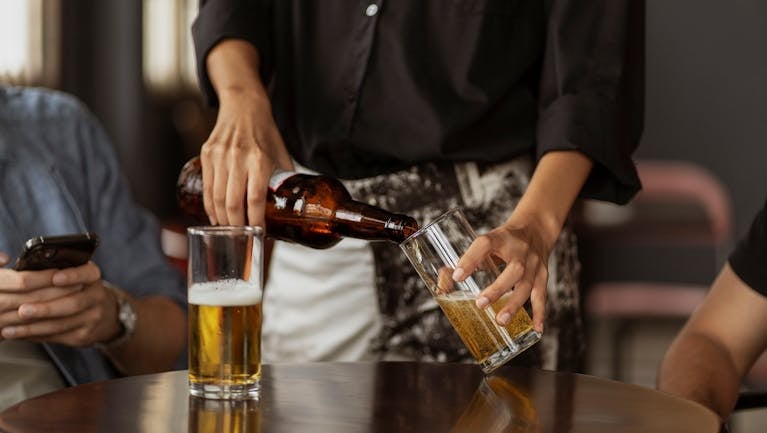
A cold soda in a glass bottle was a big treat in the 1960s. Kids fished bottles of Coca-Cola, Nehi, Grape Crush or RC Cola out of a metal cooler at the gas station or general store and popped the cap on the opener attached to the side.
Many kids also returned empty bottles for a deposit, often two cents each, and used the money to buy more candy. It was one of the earliest lessons in recycling and earning money, long before anyone called it that. Those little rituals of childhood shopping have mostly disappeared.
5. Ice Cream From the Truck
In summer, the sound of the ice cream truck sent kids racing for their allowance. Good Humor trucks and local vendors sold ice cream bars, Popsicles, push-up pops, Creamsicles and Fudgsicles. Kids often had to choose between one treat today or saving for something bigger.
The ice cream man was a neighborhood fixture, and kids knew his schedule by heart. Many boomers say the jingle of the truck is still one of the most nostalgic sounds of their childhood.
6. Baseball Cards With Gum
For many boys, and plenty of girls, part of the allowance went to packs of baseball cards. Topps packs came with a flat, pink stick of bubble gum that was famously hard and powdery. Kids chewed it anyway while sorting through their new cards.
The gum was part of the experience, even if the cards were the real prize. Kids traded duplicates, flipped cards against the wall and stored them in shoeboxes. Some of those shoeboxes later turned out to be valuable, though many mothers threw them out long before anyone realized it.
7. Pixy Stix and Sugar Straws
Pixy Stix were paper straws filled with colored, flavored sugar powder. Kids tipped them back and poured the sugar straight into their mouths. They were cheap, came in bright colors and gave an instant sugar rush.
Similar treats like Lik-M-Aid, later known as Fun Dip, came with a candy stick to dip into flavored powder. Parents didn’t always approve, but kids loved them. These treats were among the cheapest ways to make an allowance go a long way.
8. Jawbreakers and Fireballs
Jawbreakers were hard candy balls that took ages to dissolve, changing colors as you worked through the layers. Atomic Fireballs, introduced in the 1950s, were cinnamon candies so spicy that kids dared each other to keep them in their mouths.
Both were popular because they lasted so long. A single jawbreaker could keep a kid busy for an entire afternoon, which made it feel like great value for a few cents. Kids would take them out to check the colors and pop them back in.
9. A Hot Dog or Burger at the Lunch Counter
Kids who saved a little more could treat themselves to a hot dog, a grilled cheese or a hamburger at the drugstore lunch counter. Sitting on a spinning stool and ordering food on their own made kids feel very grown-up.
Some saved for a milkshake or a root beer float, served in a tall glass with a straw and a long spoon. It was a splurge, but it was a memorable one. Many boomers say these lunch counter visits were their first experience of ordering at a restaurant without their parents.
How Far an Allowance Went in the 1960s
Prices were dramatically lower in the 1960s. A candy bar often cost a nickel or a dime, a soda about the same and many pieces of candy just a penny. According to the Bureau of Labor Statistics inflation calculator, a dollar in 1965 had the buying power of roughly ten dollars today, so a quarter went a long way.
Kids who earned an allowance learned to budget early. They had to decide whether to spend it all at once or save for something bigger, like a toy, a model kit or a trip to the movies. Many boomers say those small decisions taught them the value of money.
The Chores That Paid for It All
Allowances in the 1960s were usually tied to chores, and kids worked for every nickel. They washed dishes, raked leaves, shoveled snow, dusted furniture and fed the dog. Many boomers say the chores kids did back then taught them responsibility, and the reward of a Saturday candy run made the work feel worth it.
Why These Memories Last
For many boomers, these allowance trips represent freedom. Kids could ride their bikes into town, pick their own treats and make their own choices. Parents gave them more independence, and those Saturday mornings felt like small adventures.
The foods themselves were simple and cheap, but the memories are rich. Ask anyone who grew up in the 1960s about their favorite corner store, and you’ll likely hear about penny candy, cold bottles of soda and the joy of spending a hard-earned allowance on exactly what they wanted.