Why Are Gas Prices Falling? 6 Reasons American Drivers Are Finally Getting Some Relief
After months of expensive trips to the gas station, American drivers are finally seeing some relief. Gas prices have been moving downward, and the national average for regular gasoline recently dropped below $4 per gallon for the first time since July.
For households already dealing with grocery bills, utility costs, insurance payments, and other everyday expenses, even a modest reduction in fuel prices can make a difference.
But what is actually causing gasoline to become cheaper?
The answer involves more than one factor. Seasonal driving habits, changes in fuel production, lower crude oil prices, and growing gasoline inventories are all contributing to the decline.
Here are six reasons gas prices are falling and what American drivers should understand about the latest changes.
The Summer Driving Season Is Over
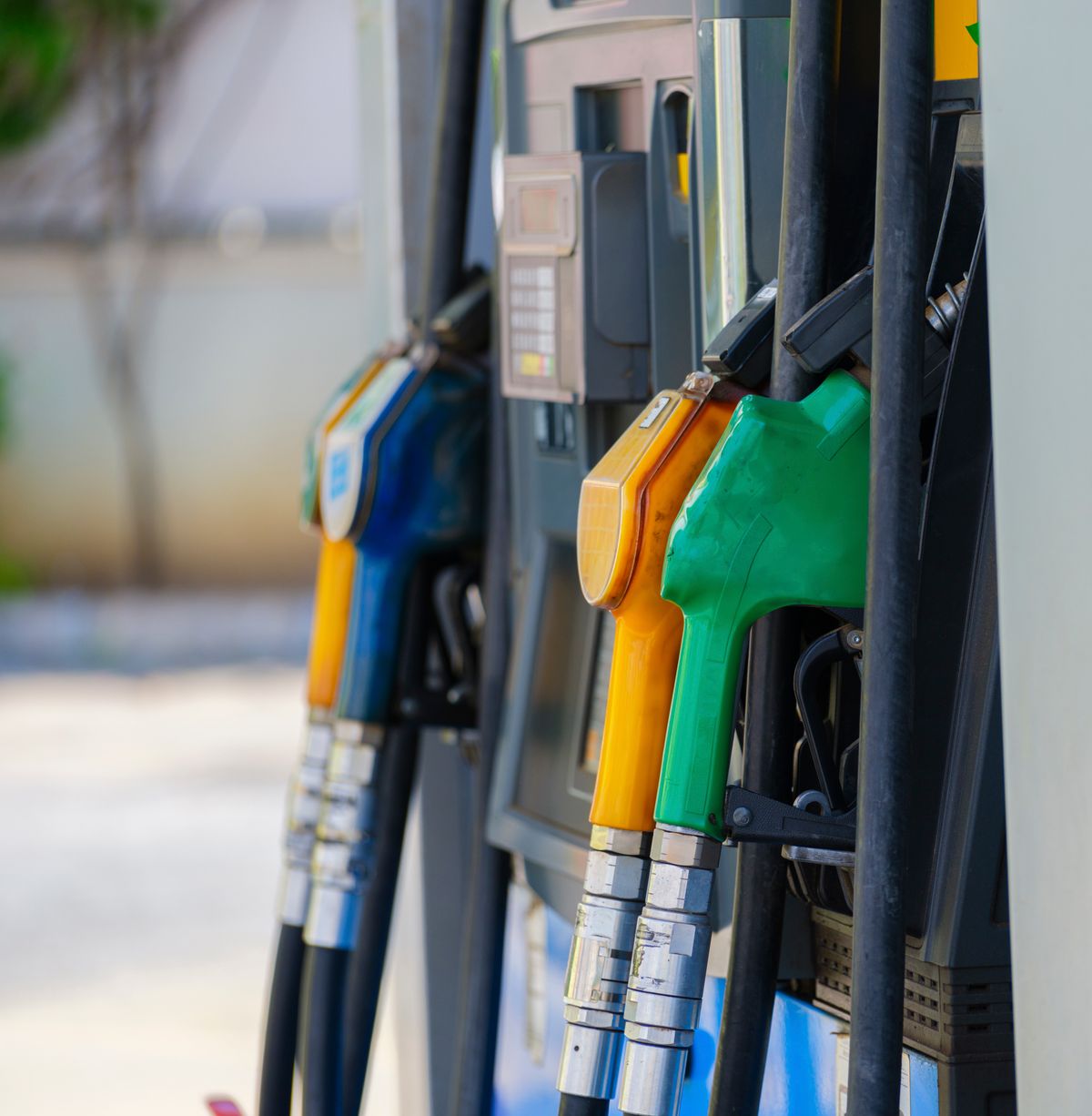
One of the biggest reasons gasoline prices typically fall during autumn is that Americans generally drive less than they do during the busy summer travel season.
Summer brings road trips, family vacations, weekend getaways, and increased recreational driving. These activities increase gasoline consumption.
As autumn arrives, many families return to regular school and work routines. Vacation travel slows, and fewer people make long recreational journeys.
This seasonal change reduces demand for gasoline.
When fewer drivers compete for available fuel, prices can come under downward pressure.
According to NPR reporting in November, the seasonal decline in driving is one reason American motorists have recently seen lower prices.
Related: 8 harsh realities of poverty that the rich simply don’t understand
Winter-Blend Gasoline Is Less Expensive to Produce
Another important factor is the seasonal change in gasoline formulations.
Gasoline sold during summer must meet environmental requirements designed to reduce evaporation and help limit air pollution during warmer weather.
Producing these summer blends can be more expensive because refiners must use specific fuel components.
Winter gasoline has different requirements. It can contain a greater proportion of certain lighter components, including butane, which helps fuel vaporize more easily in cold weather.
This makes winter-blend gasoline generally cheaper to produce than summer-blend fuel.
The seasonal switch therefore helps ease pressure on pump prices.
For drivers, this is one reason gasoline can become less expensive as temperatures fall, even without a dramatic change in how much crude oil is being produced.
Crude Oil Prices Have Been Falling
Gasoline starts with crude oil, so changes in the international oil market strongly influence what motorists pay.
When crude oil becomes more expensive, refiners generally face higher costs, which can eventually affect gasoline prices.
The opposite can happen when crude prices decline.
Recent reporting from Reuters on November 18 showed that international oil prices fell as traders responded to expectations of increased global supply and growing U.S. petroleum inventories.
Brent crude settled at $91.95 per barrel, while U.S. West Texas Intermediate fell to $83.26.
These movements matter because crude oil is a major component of gasoline production costs.
However, lower crude prices do not always translate into immediate savings at every gas station. Refining, transportation, distribution, taxes, and local competition also influence the final price.
Related: American Cities to Avoid for Safety Reasons
U.S. Gasoline Inventories Are Increasing
Gasoline inventories can also influence prices.
When inventories are low, suppliers have less flexibility to meet unexpected demand increases or delivery disruptions.
When inventories increase, there is generally a larger supply cushion.
Reuters reported on November 18 that U.S. gasoline inventories increased by 5.2 million barrels, along with a 3.4-million-barrel increase in crude oil stocks.
Larger gasoline inventories can ease concerns about immediate shortages and put downward pressure on wholesale prices.
For motorists, this is another factor helping explain why prices have been moving lower.
However, inventory figures change from week to week, so one increase does not guarantee that gasoline will remain inexpensive.
Refineries Are Producing More Available Fuel
Refineries must produce gasoline before it reaches filling stations.
Refinery maintenance can temporarily reduce the amount of fuel available in the market. When several facilities undergo maintenance around the same time, regional supplies can tighten.
By late autumn, much of the planned fall maintenance season is winding down.
This can allow more refining capacity to return to operation and improve the availability of petroleum products.
Gasoline is also closely linked to other fuels.
Refineries produce several petroleum products from crude oil, including gasoline, diesel, and jet fuel. Their production decisions are influenced by demand across these markets.
Increased refinery activity can therefore affect how much gasoline enters the supply chain.
Seasonal improvements in refinery operations are another reason prices may ease during this part of the year.
Expectations of Greater Global Oil Supply Are Easing Market Pressure
Oil prices are influenced not only by the amount of crude oil currently available but also by what traders expect to happen in the coming months.
Recent expectations of greater global supply have helped push crude prices lower.
Reuters reported that increased exports from the Middle East and expectations of a global supply surplus contributed to the recent decline in oil prices.
The possibility of improved diplomatic conditions surrounding the conflict involving Iran has also influenced market expectations.
However, the situation remains uncertain. Disruptions to shipping routes, attacks on energy infrastructure, or renewed military escalation could quickly change the outlook.
That means the recent decline should not be interpreted as proof that geopolitical risks have disappeared.
Will Gas Prices Keep Falling?
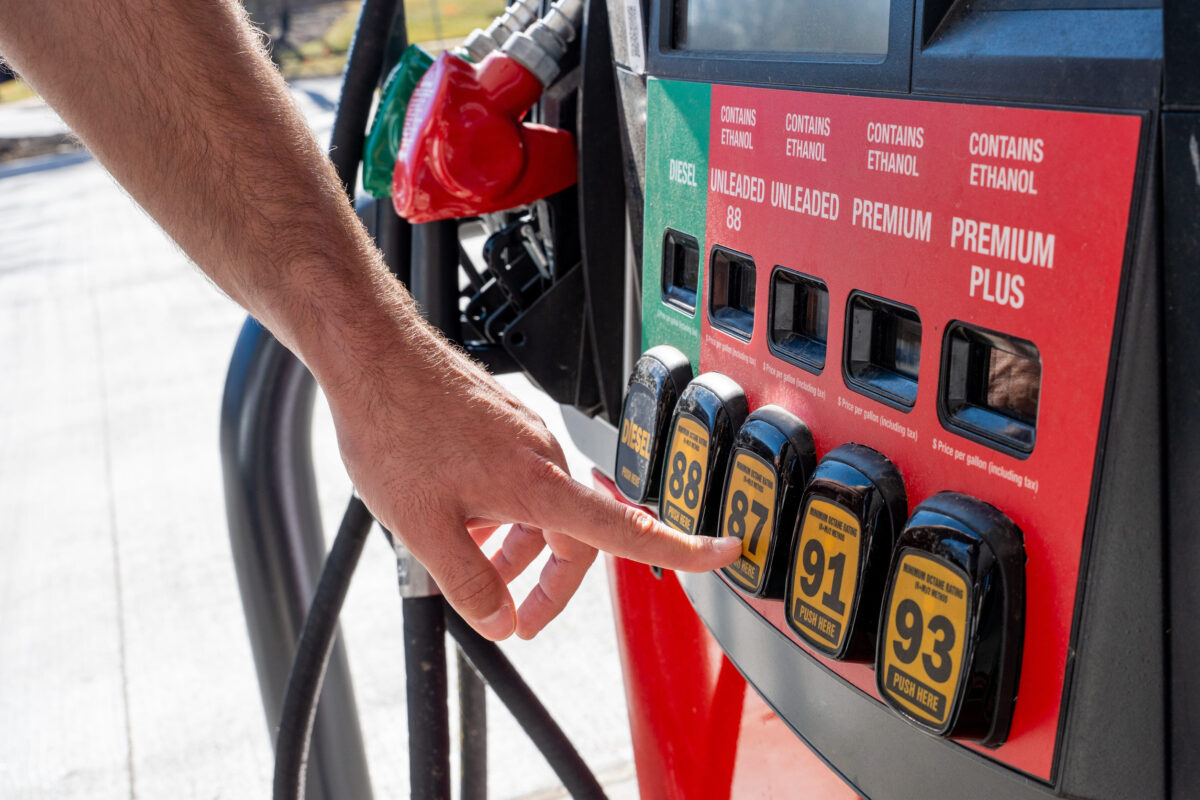
That is the question many American drivers are asking.
Prices could remain under pressure during the colder months, particularly if gasoline demand stays relatively low and crude oil supplies remain adequate.
However, several factors could reverse the trend.
A major disruption to oil production or shipping could push crude prices higher. Unexpected refinery problems could reduce gasoline supplies, while changes in seasonal demand could also influence prices.
The U.S. Energy Information Administration has also emphasized that gasoline prices depend on crude oil costs, refining, distribution, taxes, and the supply-demand balance.
Drivers should therefore avoid assuming that one week of falling prices means a long period of cheaper fuel is guaranteed.
Related: 6 holiday decorating trends to ignore this season, according to designers
What Falling Gas Prices Mean for Household Budgets
For families that depend on their vehicles for work, school runs, shopping, and other responsibilities, lower gasoline prices can provide some breathing room.
The savings may be especially noticeable for households with multiple vehicles or people who commute long distances.
Still, the national average doesn’t tell the whole story.
Gasoline prices vary considerably between states and even between neighboring communities. Local taxes, transportation costs, refinery access, and competition between stations can all influence what drivers pay.
A family in one state may see a significant reduction while motorists elsewhere experience a much smaller change.
The most useful approach is to compare nearby stations and consider fuel expenses as part of the wider household budget.
For now, American drivers have a reason to welcome the decline. But whether the relief lasts will depend on what happens next in the oil market.
Have you noticed gas prices falling in your area, or are you still paying more than you expected at the pump?