11 Travel Problems That Can Ruin Your Trip Fast
A vacation can fall apart long before the suitcase is fully unpacked. One delayed flight, one missing passport, one bad meal, one dead phone, or one wrong hotel booking can turn a dream trip into a long, expensive headache. Travel looks glamorous online, but the real test begins when something goes wrong far from home.
The good news is that most travel disasters do not become disasters all at once. They usually start as small problems that travelers ignore, mishandle, or panic through. If you know what to do early, you can protect your money, your time, your safety, and your peace of mind before the trip starts, fighting back.
Losing Your Passport Abroad
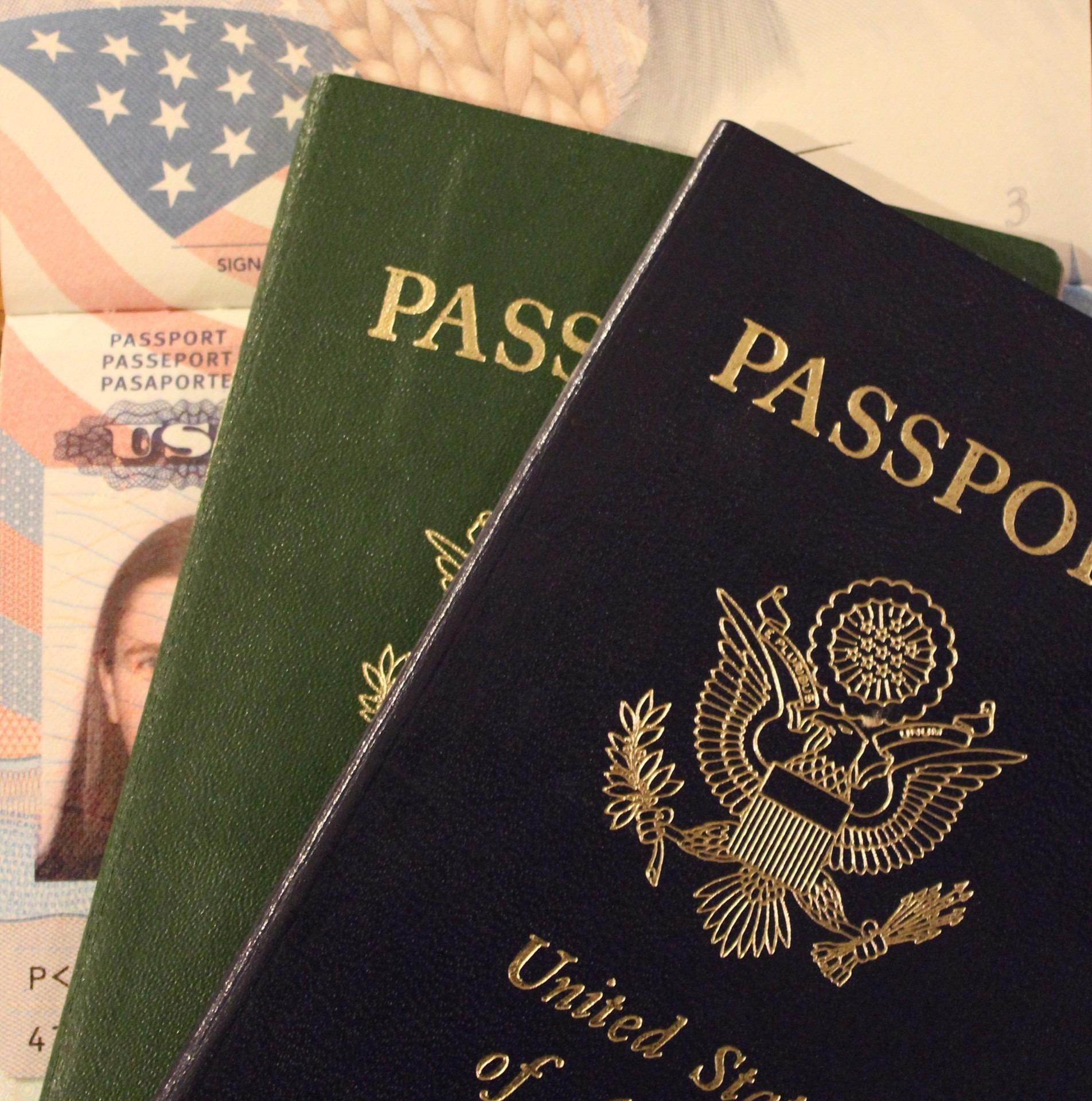
Losing a passport abroad can feel like the travel nightmare that stops everything. Without it, crossing borders, boarding international flights, checking into hotels, and proving your identity can become stressful. Panic wastes time, so the first step is to slow down and act quickly.
Report the loss, contact the nearest U.S. embassy or consulate, and prepare to apply for a replacement passport. Keep digital and paper copies of your passport page in separate places before you travel, and never carry your passport casually in a loose pocket or open bag. A lost passport is serious, but it is usually fixable if you act quickly and follow the official steps.
Bad Weather That Destroys Your Plans
Bad weather does not care how much you paid for the trip. Storms, heat waves, wildfires, flooding, snow, and rough seas can cancel flights, close attractions, delay roads, and make outdoor plans unsafe. The mistake is building a trip so tightly that one storm ruins everything.
Check weather patterns before booking and again before departure. Keep one flexible day in your schedule, buy refundable options when the risk is high, and have indoor backups ready. Travel insurance may help in some situations, but only if the policy actually covers the problem, so read the details before assuming you are protected.
Getting Scammed In A Tourist Hotspot
Travel scams often work because they happen fast and feel normal in the moment. A fake taxi, a fake tour guide, a friendship bracelet trick, a damaged rental claim, overpriced currency exchange, or a too-friendly stranger can separate travelers from their money before they realize what happened. Scammers thrive when people are tired, distracted, or afraid of seeming rude.
Research common scams at your destination before arrival. Use official taxis or trusted ride apps, confirm prices before accepting a service, avoid street deals that seem too good to be true, and do not hand over your phone, card, passport, or luggage to strangers. A little suspicion is not rude when you are protecting yourself in an unfamiliar place.
Flight Delays That Wreck Your Schedule

A flight delay can ruin the entire rhythm of a trip, especially when you have a tight connection, a cruise departure, a paid tour, or a hotel check-in waiting on the other side. The mistake many travelers make is sitting at the airport and hoping the airline will fix everything without being asked. Hope is not a travel strategy.
As soon as a serious delay occurs, check the airline app, review backup flights, and speak to an agent promptly. If the delay is under the airline’s control, ask about meal vouchers, hotel help, or rebooking options. Keep screenshots, emails, boarding passes, and receipts, as those details may matter if you later request a refund, reimbursement, or a travel insurance claim.
Lost Luggage That Leaves You Stranded
Few things sour a trip faster than standing at baggage claim while everyone else leaves with their bags. Lost luggage feels personal because your clothes, toiletries, chargers, shoes, medication, and comfort items are suddenly somewhere else. The worst move is leaving the airport without filing a report.
Go straight to the airline baggage desk and get a written claim number before you leave. Take photos of your bag before future trips, keep valuables and essentials in your carry-on, and pack at least one change of clothes in your personal item. If your bag is delayed, save receipts for reasonable emergency purchases and check the airline’s baggage policy before spending wildly.
A Hotel Booking That Turns Out Wrong
A bad hotel surprise can hit hard after a long travel day. Maybe the room is not available, the location feels unsafe, the photos were misleading, the bed count is wrong, or the place has cleanliness issues that make staying there uncomfortable. Exhausted travelers often accept a bad room because they do not want another argument.
Start by taking photos and politely reporting the issue at the front desk right away. Ask for a room change, refund, credit, or transfer to a sister property if the hotel caused the problem. If you booked through a third party, contact the platform as well, but remember that direct hotel bookings can sometimes be fixed faster because the property controls the reservation.
Phone Problems That Cut You Off From Everything

A dead, stolen, broken, or disconnected phone can turn modern travel into chaos. Your phone may hold boarding passes, hotel addresses, maps, bank alerts, translation tools, ride apps, tickets, emergency contacts, and two-factor authentication codes. Losing access can make even simple tasks feel impossible.
Before your trip, download offline maps, save important documents in a secure cloud folder, write key addresses on paper, and carry a small power bank. Set up international roaming, an eSIM, or a local SIM plan before you desperately need it. Also, keep one backup payment method and one emergency contact accessible without relying only on your phone.
Getting Sick From Food Or Water
Food is one of the best parts of travel until your stomach turns the trip into a bathroom tour. Traveler’s diarrhea, food poisoning, dehydration, and stomach bugs can derail plans quickly, especially in places where your body is not used to local water, food handling, or bacteria. The danger is pretending you can push through when your body clearly needs care.
Drink safe water, wash or sanitize your hands often, and be careful with raw foods, ice, street food, and anything that looks poorly handled. Pack oral rehydration salts, basic stomach medicine, and any doctor-recommended treatments before leaving home. If symptoms are severe, bloody, paired with fever, or not improving, get medical help instead of trying to be brave in a hotel room.
Losing Your ID Before A Domestic Flight
Losing your ID at the airport can make your stomach drop. Many travelers assume the trip is over immediately, but that is not always true. The bigger risk is arriving late, panicking, and giving yourself no time for extra screening or identity checks.
If your ID is lost, go to the airport early and speak with TSA staff calmly. Bring anything that can help confirm your identity, including cards, digital documents, prescriptions, work badges, or other supporting information. This is also why travelers should store photos of important IDs securely before a trip, even though the physical ID remains the strongest option.
Running Out Of Money Or Losing Your Cards

Money trouble abroad can feel embarrassing, but it happens more often than people admit. Credit Cards get blocked, ATMs reject withdrawals, wallets go missing, and some places still prefer cash. A traveler who depends on one card is one banking glitch away from a very long day.
Carry at least two payment methods and keep them in separate places. Tell your bank about international travel when needed, save emergency bank phone numbers, and keep a small amount of local cash in a safe spot. If a card disappears, freeze it quickly through the app and switch to your backup before the stress takes over the trip.
Missing A Connection
Missing a connection can turn a smooth itinerary into a domino effect. One late arrival can make you miss the next flight, shuttle, train, event, or check-in window. The tighter the connection, the less room you have for normal travel chaos.
Book longer layovers when the trip matters, especially for international flights or airports known for long lines. If you miss a connection because of an airline delay on one ticket, ask the airline to rebook you. If you booked separate tickets, you may have fewer protections, so leave more time between legs and avoid building a fragile itinerary just to save a little money.
Conclusion
Travel problems are frustrating because they rob you of a sense of control. You leave home expecting adventure, rest, beauty, and escape, only to suddenly find yourself arguing at a desk, searching for a bag, refreshing an app, or trying to explain a problem in a place you barely know. That is when preparation becomes more valuable than luck.
The smartest travelers are not the ones who never face problems. They are the ones who know how to respond before a small issue becomes a full-blown disaster. Pack backups, save documents, protect your money, read the fine print, and stay calm when plans shift. A trip does not have to be perfect to be worth it, but it does need a traveler who knows how to recover.