12 Everyday Foods That Quietly Raise Your Blood Pressure
High blood pressure is often called a “silent killer” because it can build over the years without obvious symptoms. What we eat can make a massive difference, yet many common foods are quietly working against our hearts. From the office lunch table to the late-night snack stash, some everyday items are secretly packing sodium, sugar, and unhealthy fats that make hypertension harder to manage.
Here’s a list of 12 foods we should watch out for, along with tips for swapping them for heart-friendlier options.
Frozen Pizza Combines Several Risks

Frozen pizza delivers sodium, saturated fat, and processed toppings in one package. Multiple slices quickly exceed daily limits, turning a convenient meal into a cardiovascular challenge. Homemade pizza with whole-grain crust, vegetables, lean protein, and light cheese can satisfy cravings without the sodium overload.
Portion control also matters. Enjoying one or two slices instead of the whole pie keeps indulgence in check while minimizing harm.
Alcohol Raises Blood Pressure Over Time
Regular alcohol consumption can increase hypertension risk, disrupt sleep, and interfere with medications. Moderation is essential, and alcohol-free alternatives like sparkling water with fruit, mocktails, or herbal infusions offer social enjoyment without impacting blood pressure.
Limiting drinking days and keeping portions small reduces cumulative risk.
Deli Meats Are a Salt Mine
Lunch meats like ham, salami, turkey, and bologna are convenient but loaded with sodium. A simple sandwich can quickly exceed a healthy daily sodium limit, adding stress to the arteries. Choosing fresh grilled chicken or low-sodium turkey keeps your protein intake without overloading your system.
Processed meats also often contain preservatives and nitrates that can affect vascular health. Swapping them for fresh options or roasted veggies maintains flavor while protecting blood pressure.
Canned Soups Hide Shockingly High Sodium
Even “healthy” soups can contain more sodium than a fast-food burger. Broth-based soups, bean soups, or tomato varieties often pack more salt than we realize. Cooking from scratch or selecting low-sodium options lets you enjoy comfort food without raising your blood pressure.
Pairing homemade soups with whole grains or fresh vegetables increases fiber and adds heart-protective nutrients. Rinsing canned beans before adding them to soup can significantly reduce their sodium content.
Pickled Foods Are Deceptively Salty
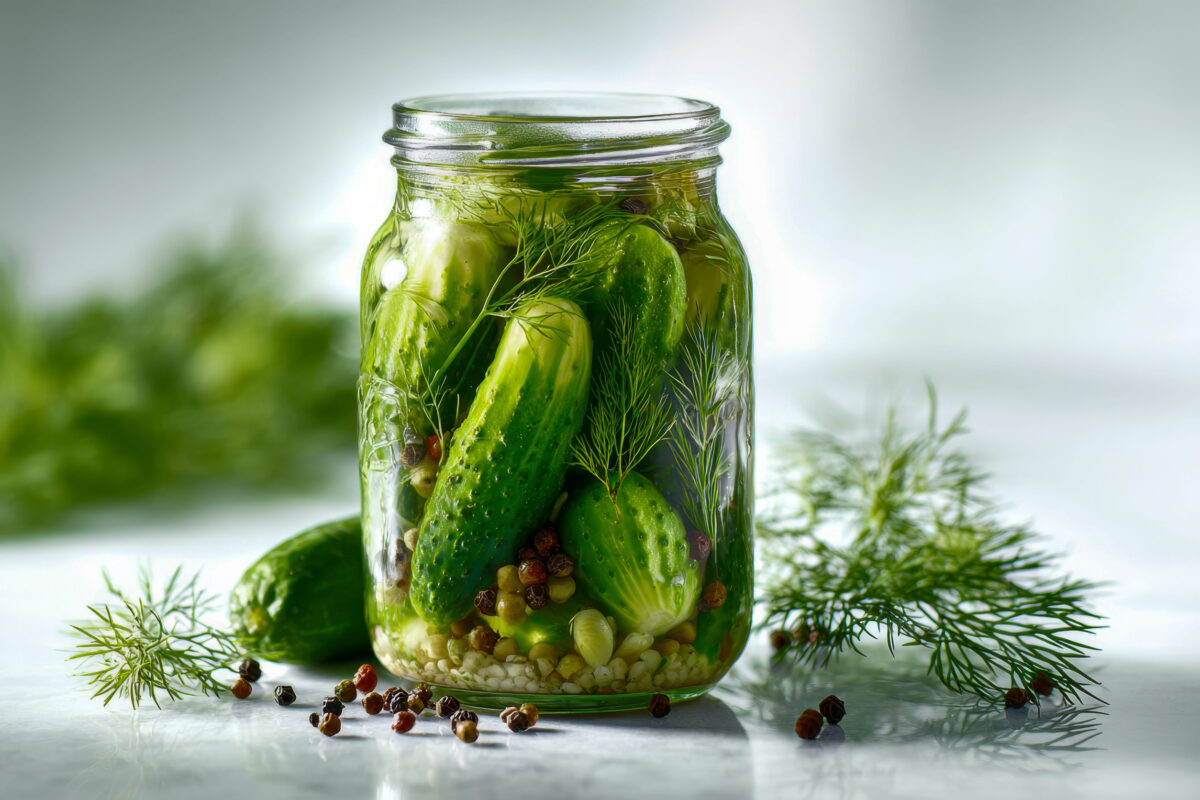
Pickles, olives, kimchi, and sauerkraut offer tang and crunch but rely heavily on salty brine. Even a few bites can increase sodium intake and fluid retention, raising blood pressure. Fresh vegetables with vinegar, lemon juice, or herbs provide a similar flavor without the excess salt.
When enjoying fermented foods, choose low-sodium varieties or rinse them before eating to reduce salt intake.
Fast Food Meals Are a Hidden Sodium Bomb
Burgers, fries, fried chicken, and breakfast sandwiches are all convenient but contain massive amounts of sodium. The combo meals often exceed recommended daily limits, especially when paired with soda or sauces. Limiting fast food and opting for grilled options or homemade meals can significantly reduce risk.
Even small changes, like skipping cheese or requesting sauces on the side, help maintain lower sodium intake without completely giving up convenience.
Salty Snacks Keep Sneaking Sodium In
Chips, pretzels, crackers, and salted nuts are favorites among mindless snackers. They’re easy to overeat, leading to continuous sodium intake throughout the day. Swapping them for unsalted nuts, air-popped popcorn, fresh fruit, or veggie sticks keeps snacking satisfying and heart-smart.
Portioning snacks in small bowls instead of eating from the bag can prevent accidental overconsumption.
Sugary Drinks Affect Blood Pressure Indirectly

Sodas, sweet teas, energy drinks, and flavored coffees don’t contain salt, but added sugar promotes weight gain, insulin resistance, and inflammation. These factors can worsen hypertension over time. Water, sparkling water, unsweetened teas, or infused water with citrus or berries is a simple swap.
Cutting sugary beverages also reduces empty calories, helping maintain a healthy weight and supporting blood pressure control.
Packaged Sauces and Condiments Can Sneak Sodium
Ketchup, soy sauce, barbecue sauce, salad dressing, and gravies often contain more salt than the main dish. They can turn a healthy meal into a hidden sodium bomb. Vinegar, lemon juice, herbs, and homemade dressings give the same flavor without extra risk.
Reading labels and using small amounts consciously helps maintain control over sodium intake.
Instant Noodles Are Quick but Risky
Instant ramen and noodle cups are affordable and fast, but loaded with sodium and refined carbs. They are convenient, but each serving can strain the cardiovascular system. Using low-sodium broth, adding vegetables and lean protein, or cooking whole-grain noodles are healthier alternatives.
These swaps still offer a quick meal without sacrificing control over blood pressure.
Full-Fat Dairy and Cream Can Increase Strain
Milk, cheese, butter, and heavy cream contain saturated fat, which may exacerbate high blood pressure. Choosing low-fat or fat-free versions reduces this risk. Creamy textures can also come from blended beans, avocado, or Greek yogurt, offering richness without the added strain.
Moderation is key; dairy remains part of a healthy diet if selected and portioned wisely.
Bacon and Sausage Add Fat and Salt

Breakfast favorites like bacon and sausage combine sodium, saturated fat, and preservatives. They can spike blood pressure and simultaneously affect cholesterol. Lean protein options, plant-based substitutes, or occasional portions keep breakfast satisfying without the same cardiovascular load.
Pairing lean protein with vegetables or whole grains creates a balanced meal that supports long-term heart health.
Conclusion
High blood pressure is influenced by daily dietary choices. Monitoring sodium, sugar, and saturated fat intake while replacing processed and fast foods with fresh, whole foods is the most effective way to protect cardiovascular health. Simple swaps like fresh proteins, low-sodium soups, whole grains, fruits, vegetables, and water make a measurable difference, letting us enjoy meals without compromising our hearts.