5 Things Grandma Kept in Her Kitchen That Still Make Sense Today
Grandma’s kitchen probably wouldn’t have won an award for matching storage containers. The jars came in different sizes, the skillet looked thoroughly used, and the recipe box needed a firm push before its lid would close. Somehow, though, those ordinary objects kept earning their place.
Behind them was a practical approach to household life: keep what works, look after it, and think twice before buying something you already have.
Not every grandmother ran her kitchen the same way. Still, these five familiar possessions reflect habits worth borrowing. Being “ahead of her time” wasn’t about predicting trends. It was about recognizing usefulness without needing a fashionable label.
Glass Jars That Always Had Another Job
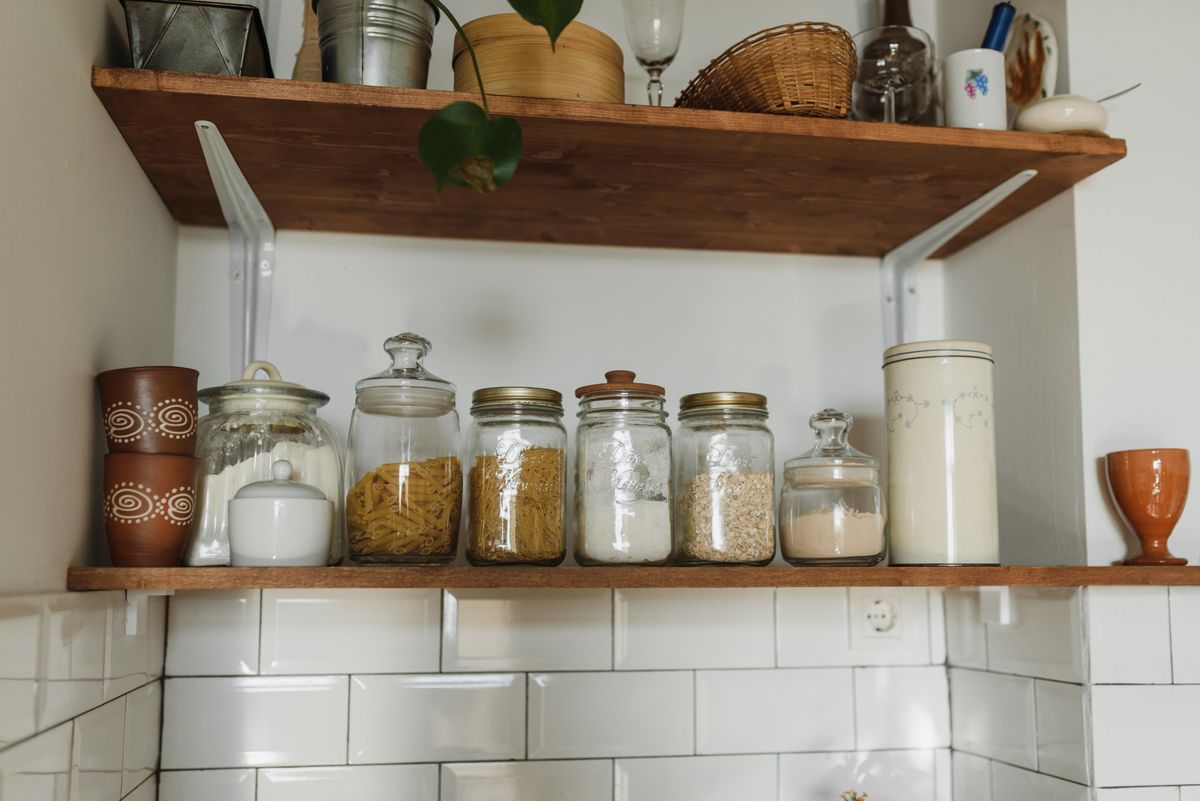
An empty jar wasn’t necessarily finished in Grandma’s kitchen. It might become a home for buttons, loose change, or the little odds and ends that otherwise vanished into drawers.
The Environmental Protection Agency’s waste-reduction handbook recommends washing and reusing empty jars and containers, including for organizing buttons, nails, and thumbtacks.
Grandma’s collection may have looked mismatched, but matching wasn’t the point. Each jar answered a small household problem. A clear container showed what was inside, and a lid kept the contents together.
The clever habit was identifying a need before reaching for something new. Instead of buying organizers first and figuring out their purpose later, she could start with the objects already available.
You don’t need to save every jar that enters your home. Keep the ones you can use. Grandma’s lesson was resourcefulness, and a shelf crowded with purposeless containers misses that point.
A Cast-Iron Skillet Worth Looking After
That heavy skillet wasn’t taking up space because nobody had bothered to replace it. It had work to do. Lodge describes its seasoned cast-iron skillets as suitable for stovetop, oven, grill, and campfire cooking. That range gives one pan several possible jobs, which helps explain its place in a practical kitchen.
Of course, keeping a useful tool means caring for it. Lodge explains that seasoning is oil baked onto cast iron, creating an easy-release cooking surface. Basic care involves washing, drying, and rubbing the cookware with oil.
With proper care, the company says, cast-iron cookware can last for generations. Something is appealing about that relationship between an object and its owner. The pan stays useful because someone takes a few moments to maintain it.
If your grandmother kept reaching for the same skillet, she understood that familiar tools can deserve attention. A replacement wasn’t automatically an improvement just because it arrived in a fresh box.
Kitchen Towels That Were Allowed to Work
Some kitchen towels seem destined to spend their lives looking decorative. Grandma’s working towels had a tougher job. They waited beside the sink or hung within reach, ready for the everyday wiping and cleaning that comes with using a kitchen.
The EPA includes dishcloths among reusable household alternatives and recommends reusable rags for cleaning chores. The idea is straightforward: a washable cloth can return to service instead of being discarded after one use.
That doesn’t require banning paper towels or turning every spill into a debate. It means choosing something reusable when it suits the task.
A small stack of working towels can move through use, laundry, and back into the drawer. They don’t need matching embroidery or a coffee slogan.
Their usefulness comes from being available and washable. Grandma’s practical approach left room for objects that did an ordinary job well, even when they weren’t particularly impressive.
A Recipe Box Full of Family Details
A handwritten recipe can tell you how dinner came together. It can also tell you who stood at the stove. A relative’s name, a crossed-out measurement, or a note squeezed into the margin can preserve details that disappear from a neatly typed ingredient list.
The Library of Congress offers one memorable example: Rosa Parks wrote a recipe for “featherlite pancakes” on the back of an envelope. In its advice on collecting family recipes, the library recommends photographing handwritten cards and saving family anecdotes and cooking notes alongside them.
That makes Grandma’s recipe box more than a sentimental object. It can hold practical information about how a dish changed, who contributed it, and which version the family preferred.
The library also recommends testing older recipes because measurements and cooking temperatures may need clarification. Preserving the handwriting matters, but understanding the instructions matters, too. Keep the original, record the missing details, and let the collection remain something people can cook from.
Containers That Gave Leftovers a Plan
Finding a matching lid may have required determination, but Grandma’s container collection had a sensible purpose. It gave the food remaining after dinner somewhere to go.
The EPA recommends reusable containers for packed lunches. Its waste-reduction handbook also identifies storing leftovers as a possible use for suitable reused containers.
The useful habit was looking beyond the meal on the table. An extra portion could become tomorrow’s lunch instead of being forgotten.
That doesn’t mean every old package deserves permanent cupboard space. Suitable containers, usable lids, and a clear purpose matter more than the collection’s size.
Grandma’s advantage was paying attention to what remained useful. Borrow that habit, and those humble kitchen possessions start looking surprisingly thoughtful again.