6 Things That Don’t Belong With Steak If You Want to Enjoy Its Flavor
A perfectly cooked steak doesn’t need much help to impress. With a beautifully browned crust, a tender center, and a little seasoning, it can easily become the highlight of dinner.
But even a great steak can lose its appeal when the wrong toppings, sauces, or side dishes take over the plate.
That doesn’t mean steak should always be served plain. Garlic butter, fresh herbs, and carefully chosen sauces can bring something special to the table. The trouble starts when an addition competes with the beef instead of complementing it. Some combinations create cooking problems, while others overwhelm the flavors you’ve
Sugar Heavy Barbecue Rubs Before Searing
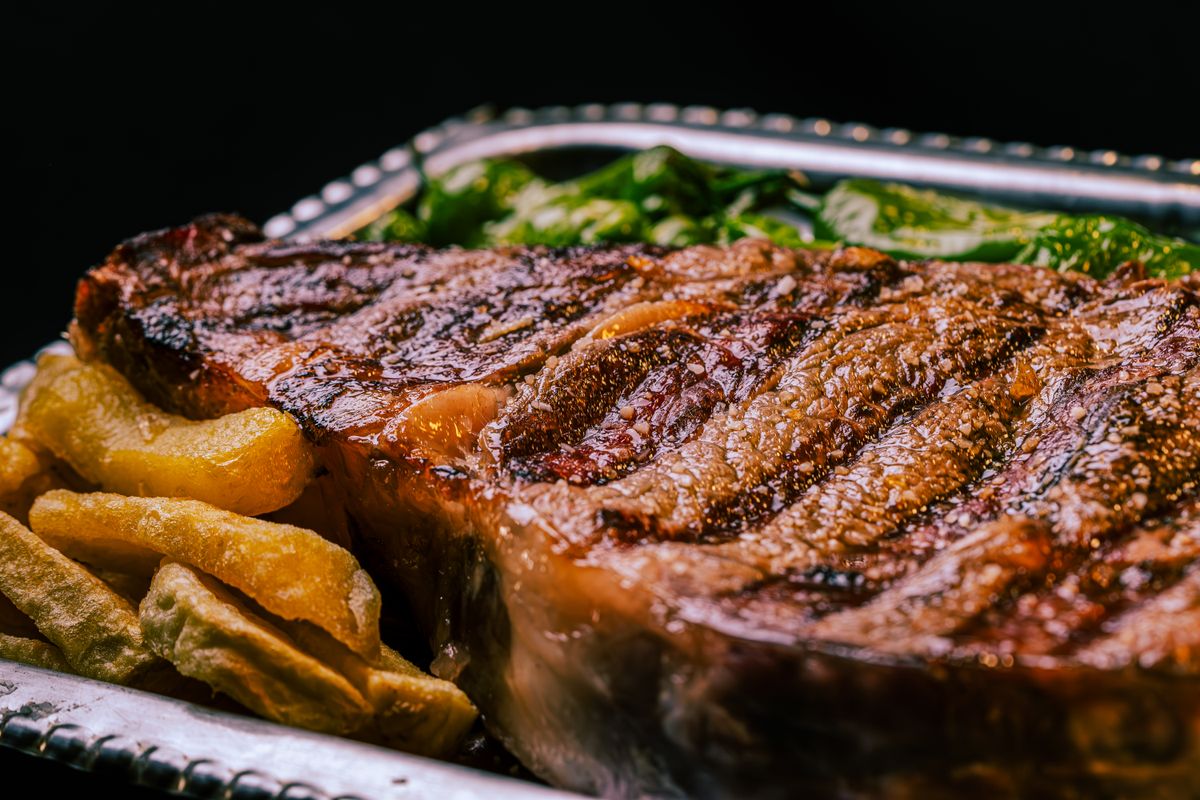
A sweet barbecue rub might sound like the perfect way to add bold, smoky flavor to steak. Unfortunately, applying a sugar-heavy seasoning before cooking over intense heat can produce disappointing results. The problem is that sugar can burn before the steak develops the crust you want.
Chef Danny Grant, a partner at Maple & Ash, explained in an interview with Mashed that sugar burns quickly and can create bitterness before a proper sear develops.
Imagine placing a thick New York strip in a hot skillet after coating it generously with a brown-sugar barbecue rub. While you’re waiting for the beef to brown, the sugary coating may begin to scorch.
Instead of tasting the steak’s natural richness, you might end up noticing bitter, burnt seasoning.
This doesn’t mean sweetness and steak can never work together. The real issue is how and when you introduce it.
For a classic high-heat sear, start with salt and pepper. If you enjoy a sweet barbecue flavor, consider serving a little sauce alongside the finished steak. That way, you can enjoy both flavors without letting burnt sugar dominate the experience.
Overpowering Smoky Spice Blends
Seasoning can transform a simple steak into something memorable, but adding too many strong flavors can make it difficult to appreciate the beef itself.
Cumin, chili powder, smoked paprika, and other bold spices can all work with steak. However, piling them on generously may create a flavor profile that competes with the meat.
Chef Danny Grant told Mashed that heavy blends featuring cumin, chili powder, and intense smoky flavors can overpower premium beef.
He also noted that different cuts respond differently to seasoning. A fatty ribeye can stand up to bolder flavors, while a delicate filet benefits from a lighter approach.
Think about ordering an expensive filet mignon only to discover that every bite tastes primarily of smoke and spices.
The beef’s distinctive flavor becomes almost impossible to notice.
Of course, some steak dishes are deliberately built around bold seasoning. There’s nothing wrong with that when it’s the experience you want.
But when preparing a quality cut specifically to appreciate its natural flavor, simpler seasoning may be the better choice.
Salt, freshly cracked pepper, and a restrained touch of garlic can be enough to let the steak shine.
Too Much Truffle Oil
Truffle oil has a reputation for making ordinary dishes feel luxurious.
A few drops can introduce a distinctive aroma, which is why some cooks enjoy using it as a finishing touch.
But pouring it generously over steak can quickly turn that luxury into a distraction.
Chef Alan Bergo of Forager Chef describes commercial truffle oil as particularly strong and frequently overused.
His suggested approach to steak is surprisingly restrained: approximately half a teaspoon per serving, added after the meat has rested.
That small amount illustrates how little may be needed.
Imagine preparing a beautifully seared filet, only to cover it with enough truffle oil that its aroma dominates the entire plate.
Instead of appreciating the beef, you may find yourself tasting little beyond the finishing oil.
The important distinction is that truffle oil itself isn’t necessarily a poor pairing. Using too much is what creates the problem.
Start with a few drops, taste, and add more only if you genuinely want a stronger flavor.
If truffle oil isn’t your preference, a small amount of garlic butter can offer another finishing option without introducing such a pronounced aroma.
A Thick Layer of Bottled Steak Sauce
Few steak-related debates divide dinner tables quite like bottled steak sauce.
Some people love its tangy, sweet flavor, while others believe a well-prepared steak should be enjoyed without it.
The truth is that both preferences can work, depending on the steak and how much sauce you use.
Chef Sam Hazen of Palladino’s Steak & Seafood told The Takeout that A.1. steak sauce has a bold mix of tangy, sweet, and savory flavors.
Those flavors can enhance steak, but they can also overpower the meat’s natural taste.
Picture a carefully prepared ribeye with a beautiful crust. Before taking the first bite, you pour a generous layer of bottled sauce over the entire steak.
Now, instead of discovering the flavor developed during cooking, every bite carries the same strong sauce.
That’s where a good condiment can become too much of a good thing.
If you enjoy bottled steak sauce, there’s no reason to abandon it. Serve it on the side and taste your steak before adding any.
You might discover that a little sauce is all you need, or that the steak tastes excellent without it.
Thick Slabs of Hard Cheese
Cheese and beef can make a delicious combination. Think of a classic cheesesteak sandwich or a burger topped with melted cheese.
But placing a thick slab of hard cheese directly on a whole steak creates a different experience.
The issue isn’t necessarily the flavor. It’s how the cheese interacts with the meat.
In an interview with Food Republic, chef Jonathan Bautista recommended softer cheeses that melt well when choosing a steak topping.
He advised against harder cheeses for this purpose, favoring options that create a more cohesive topping.
A thick piece of hard cheese may remain firm rather than melting smoothly into the steak.
Its texture and concentrated flavor can also compete with the beef’s tenderness.
That doesn’t mean Parmesan or other firm cheeses should never appear near steak.
A few delicate shavings can be completely different from a thick layer covering the meat.
If you want a cheese-forward steak topping, consider a small amount of a softer cheese that melts into the surface.
Another option is to keep the cheese separate. Bautista also suggests pairing steak with a fresh tomato-and-cucumber salad featuring feta or mozzarella.
This lets you enjoy both ingredients without making them compete for attention.
An Extra-Cheesy Side With an Already Rich Steak
A juicy ribeye topped with blue cheese butter sounds indulgent. So does a creamy vegetable gratin with a generous layer of melted cheese.
But putting both on the same plate may create more richness than you actually want.
The problem isn’t that either dish is bad. They offer similar flavors and textures, with little contrast.
Cookbook author Chelsea Cole, writing for A Duck’s Oven, specifically identifies a blue-cheese-butter ribeye served with vegetable gratin as a combination where competing cheese flavors can become excessive.
Imagine taking a bite of marbled beef topped with rich blue cheese, then a forkful of creamy, cheesy vegetables.
Both dishes demand attention, but neither leaves much room for the other to stand out.
A contrasting side can make the meal feel more balanced from a culinary standpoint.
For example, you could pair the blue-cheese ribeye with roasted potatoes, sautéed vegetables, or a crisp salad.
Alternatively, keep the cheesy gratin and serve a more simply seasoned steak.
There’s no need to abandon either favorite. Sometimes, enjoying them separately allows each dish to make a stronger impression.
The Secret to a Great Steak Is Knowing When to Stop
Steak is versatile enough to work with countless seasonings, sauces, and side dishes. However, more ingredients don’t always produce a more enjoyable meal.
A sugar-heavy rub can burn during searing. Strong spices, bottled sauces, and excessive truffle oil can overwhelm the beef. Heavy cheese toppings and overly rich side dishes may leave little room for contrast.
None of these combinations is universally wrong. Personal preference, cooking technique, and the cut of beef all matter.
The key is choosing additions that support the flavors you want to enjoy rather than covering them completely. Sometimes, the most impressive steak dinner is also the simplest.
What’s one sauce, seasoning, or side dish you would never serve with steak?