7 Family Recipes That Caused a Rift When Someone Changed Them
In many families, certain recipes are practically sacred. Grandma’s stuffing, Mom’s potato salad, Aunt Linda’s cornbread: these dishes appear at every holiday and have been made the same way for decades. Everyone knows how they’re supposed to taste, and nobody is supposed to mess with them.
So when someone decides to “improve” a family recipe, the reaction can be surprisingly strong. A small change, like swapping an ingredient or trying a new technique, can spark hurt feelings, heated debates and grudges that last for years. Here are seven family recipes that commonly cause a rift when someone changes them, based on the kinds of stories families share every holiday season.
1. Thanksgiving Stuffing or Dressing
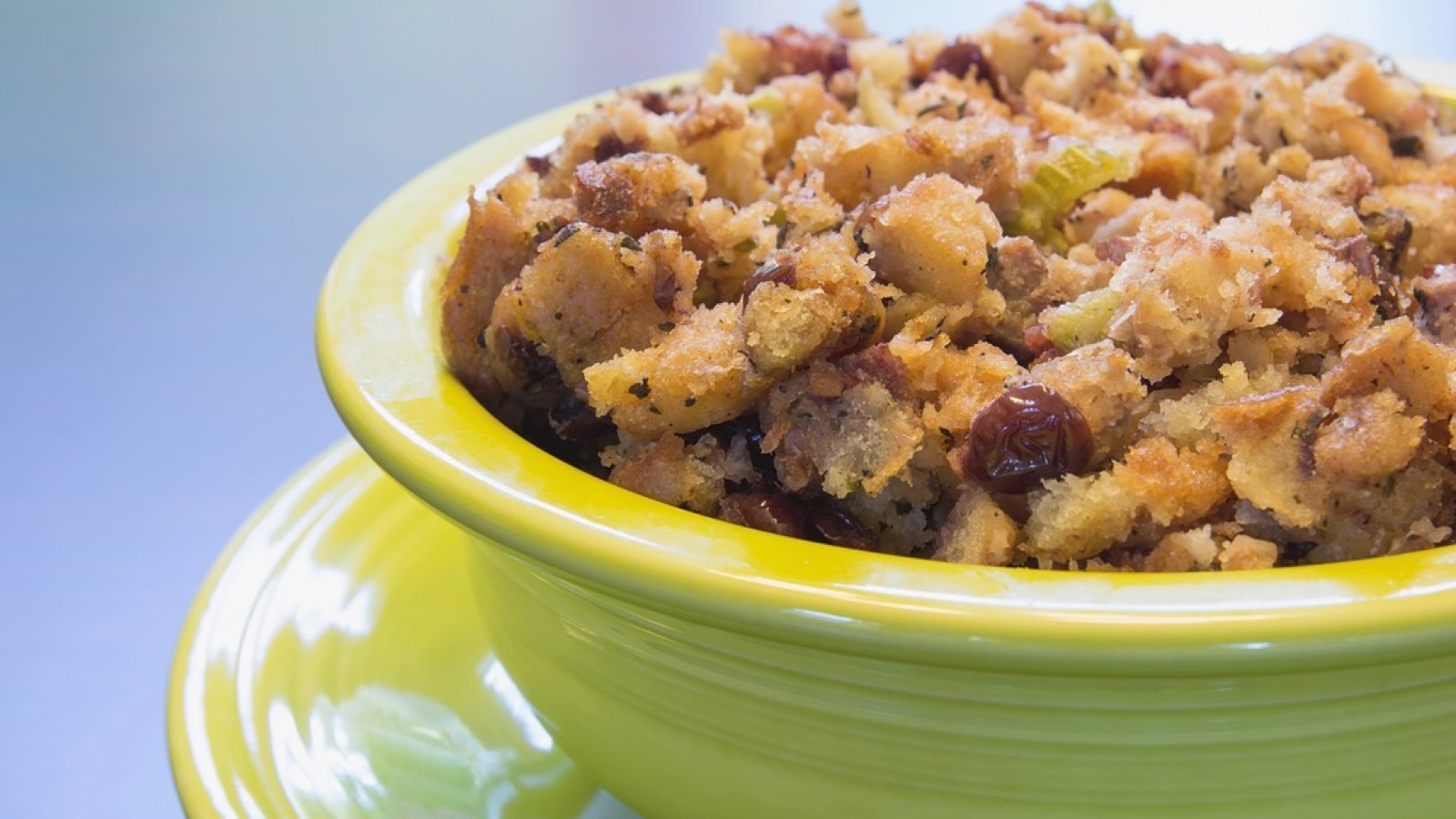
Stuffing is one of the most fiercely defended recipes in many families. Some families use cornbread, others white bread, and some add sausage, oysters or chestnuts. Whatever the tradition, it’s usually tied to a grandmother or mother who made it the same way every year.
When a daughter-in-law adds cranberries or a son switches to a boxed mix, family members often notice immediately. Some feel the change disrespects the cook who came before. Many families have had a holiday where someone quietly made “the real stuffing” on the side to keep the peace.
2. Potato Salad
Potato salad might be the most debated side dish in America. Mustard or mayo? Eggs or no eggs? Sweet relish or dill? Every family seems to have firm rules, and breaking them can cause real tension at a cookout.
Many families tell stories of a relative who showed up with a “fancy” potato salad full of herbs or unusual ingredients, only to see it sit untouched next to the traditional version. For some, potato salad is a symbol of family identity, and changing it can feel like a betrayal. It ranks right up there with the holiday table classics no one wants changed.
3. Grandma’s Pie Crust
Pie crust recipes are often passed down with strict instructions. Some families use lard, others butter or shortening. When a younger baker switches to store-bought crust or changes the fat, older relatives often notice the difference in taste and texture.
For many grandmothers, a homemade pie crust is a point of pride. Seeing it replaced or altered can feel like a loss. Many grandchildren say they learned the hard way that “close enough” doesn’t cut it when it comes to Grandma’s pie.
4. Spaghetti Sauce or Sunday Gravy
In many Italian American families, the Sunday sauce, often called gravy, is a tradition passed down through generations. The recipe might include specific meats, a long simmer and secret ingredients known only to the family cook.
When someone tries a shortcut, like using jarred sauce or skipping the meatballs, older relatives can be deeply offended. Arguments over sauce have become a running theme in family stories and comedy for good reason. For many families, the sauce represents their heritage.
5. Cornbread
Cornbread sparks one of the biggest food divides in America: sweet or not sweet. Many Southern families insist cornbread should never have sugar, while others grew up with sweeter versions. Adding sugar to a family recipe that never had it can start an argument.
Cast-iron skillet or baking dish, buttermilk or regular milk, bacon grease or butter: every detail matters. When a family member changes the recipe, older relatives may say it “isn’t real cornbread.” Some families have split traditions, with two pans on the table to keep everyone happy.
6. Green Bean Casserole
The classic green bean casserole, created in a Campbell’s test kitchen in 1955 by Dorcas Reilly, became a Thanksgiving staple for millions of families. The original recipe uses canned green beans, cream of mushroom soup and crispy fried onions.
When someone decides to make it from scratch with fresh beans and homemade sauce, some relatives appreciate the effort. Others insist it doesn’t taste right and want the original. The debate over the “real” version can surprisingly divide a holiday table. Campbell’s still publishes the classic recipe, which many families follow to the letter.
7. Christmas Cookies
Christmas cookie recipes, especially ones passed down from grandmothers, carry deep emotional weight. Sugar cookies, gingerbread, spritz and thumbprints are often baked together as a family tradition, using the same recipe cards year after year.
When someone changes the recipe, like using a different frosting or swapping butter for margarine, family members often notice. Some feel the change breaks the tradition. Others worry the original recipe will be lost forever if it isn’t made the same way.
Why Recipe Changes Hurt So Much
Family recipes are about more than food. They’re tied to memories of loved ones, holidays and childhood. Changing a recipe can feel like changing a memory, especially when the original cook has passed away.
Many families also see recipes as part of their identity. They represent where the family came from, what they valued and how they celebrated. A change can feel like a rejection of that history, even when the person making the change has good intentions.
How Families Handle Recipe Disputes
Many families find ways to compromise. Some make both versions, the classic and the new one, so everyone is happy. Others designate one person as the keeper of the traditional recipe and let others experiment with new dishes.
Writing down family recipes, with notes about who created them, can also help preserve traditions. Many families have created recipe books or digital collections so the originals aren’t lost. This lets younger cooks try new ideas without erasing the past. Couples face their own version of this, and even a tiny household habit can turn into a long-running debate.
When the Original Cook Is Gone
Recipe changes can feel especially painful after the person who created the dish has passed away. Family members may worry that altering the recipe will make them forget how it tasted. Many families choose to make the dish exactly as written at least once a year, as a way of honoring the cook and keeping that memory alive.
Keeping Traditions Alive While Making Room for New Ones
Food traditions naturally change over time as families grow, marry and blend cultures. A daughter-in-law might bring her own family’s recipes, or a grandchild might add a modern twist. These changes can enrich a family’s table, as long as everyone feels respected.
The key, many families say, is honoring the past while welcoming new ideas. Grandma’s stuffing can stay on the table, right next to a new side dish someone wants to try. In the end, the most important ingredient is the family gathered around the meal.