7 Foods That Got Their Start at World’s Fairs
In the late 1800s and early 1900s, world’s fairs were the most exciting events on the planet. Millions of visitors traveled by train to see new inventions, exotic exhibits, and grand buildings from around the globe. For many Americans, a trip to a world’s fair was a once-in-a-lifetime adventure.
The fairs were also showcases for new foods. Vendors competed to attract hungry crowds, and companies used the fairs to introduce products to a national audience. Some foods were invented on the spot, while others were simply made famous by the huge crowds that tasted them for the first time.
The stories behind many of these foods have grown into legends over the years, and historians still debate some of them. But there is no doubt that world’s fairs helped shape the American diet. Here are seven foods that got their start, or their big break, at world’s fairs.
1. The Brownie
The brownie is widely credited to the Palmer House Hotel in Chicago, around the time of the 1893 World’s Columbian Exposition. According to the hotel, Bertha Palmer, a prominent Chicago socialite, asked the pastry chef to create a dessert that could be packed in box lunches for women attending the fair. It needed to be smaller than a slice of cake and easy to eat.
The result was a rich, fudgy chocolate treat topped with walnuts and an apricot glaze. The Palmer House still serves its original brownie recipe today, more than a century later.
Brownies went on to become one of America’s favorite desserts. Recipes appeared in cookbooks by the early 1900s, and they have been a lunchbox and bake sale staple ever since.
2. Cracker Jack
Cracker Jack is often linked to the 1893 Chicago World’s Fair. German immigrant brothers Frederick and Louis Rueckheim sold popcorn and candy in Chicago, and they are said to have offered a version of their caramel-coated popcorn and peanuts to fairgoers. Historians debate exactly how much of the story is true.
The snack was officially named Cracker Jack in 1896, supposedly after a customer called it “crackerjack,” a slang word meaning excellent. Prizes were added to the boxes in 1912, and the snack became a ballpark tradition.
The song “Take Me Out to the Ball Game,” written in 1908, includes the famous line “buy me some peanuts and Cracker Jack.” The mention made the snack a permanent part of American baseball culture.
3. Juicy Fruit Gum
Juicy Fruit gum was introduced in 1893, the same year as the Chicago World’s Fair. William Wrigley Jr., who had started his business selling soap and baking powder with free gum, launched Juicy Fruit as one of his first gum brands. It is often said to have been introduced or promoted to fairgoers in Chicago.
The gum’s sweet, fruity flavor was unlike anything on the market at the time. It quickly became popular, and Wrigley built one of the largest candy companies in the world.
Juicy Fruit is still sold today, more than 130 years later. Its yellow wrapper remains one of the most recognizable in the candy aisle.
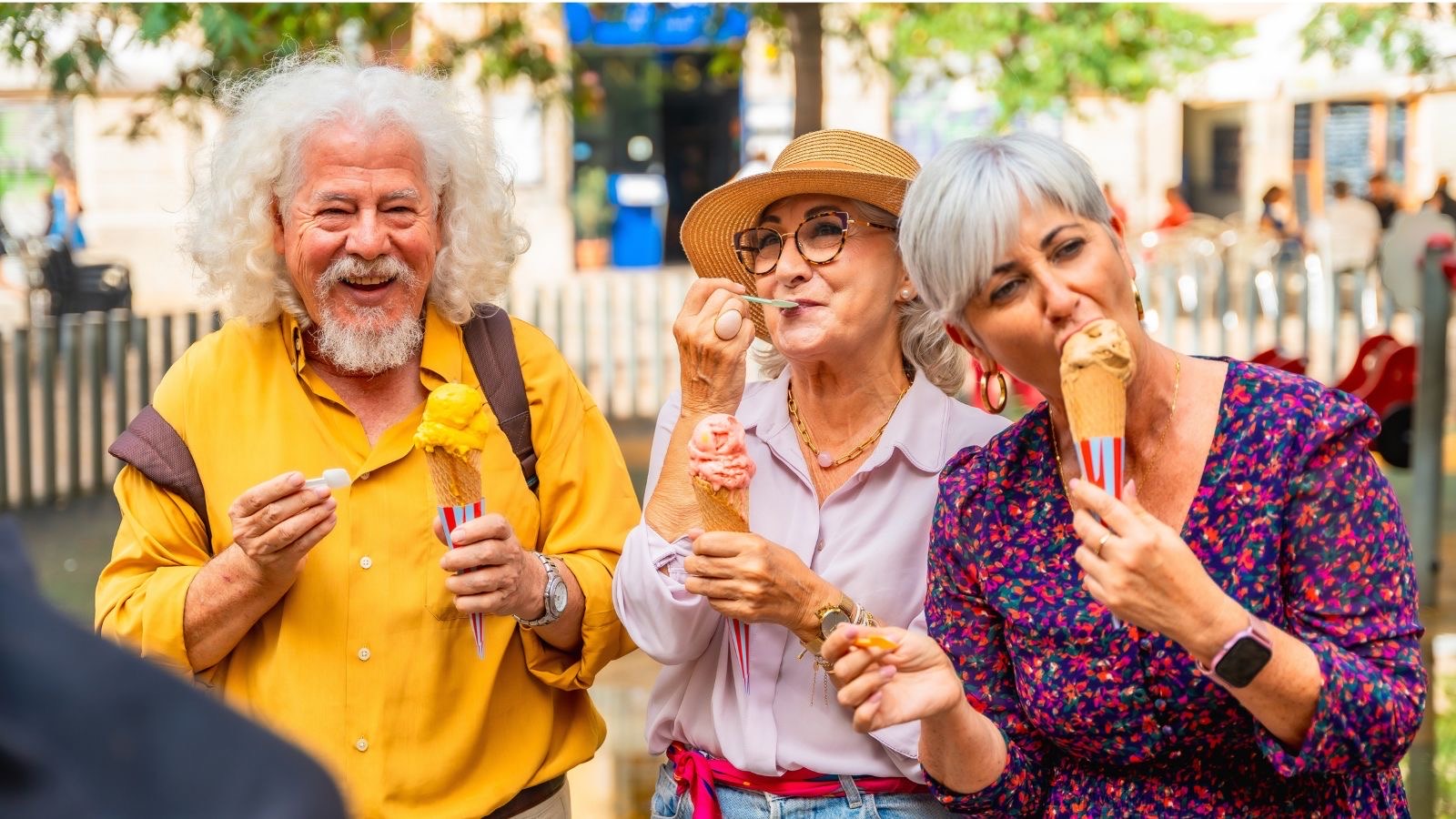
4. The Ice Cream Cone
The ice cream cone is the food most often linked to the 1904 St. Louis World’s Fair, officially called the Louisiana Purchase Exposition. According to one popular story, an ice cream vendor ran out of dishes on a hot day. A nearby vendor selling a crisp, waffle-like pastry called zalabia rolled it into a cone, and the ice cream cone was born.
Several people claimed to have invented the cone, and earlier versions existed in Europe. A New York man named Italo Marchiony received a patent for an ice cream cup mold in 1903. But the St. Louis fair made the cone famous across America.
After the fair, ice cream cones quickly spread to parks, beaches, and drugstores. Today, they are one of the most popular ways to enjoy ice cream.
5. Cotton Candy
Cotton candy, originally called “Fairy Floss,” was introduced to large crowds at the 1904 St. Louis World’s Fair. It was invented by a dentist named William Morrison and a candy maker named John C. Wharton, who had patented an electric machine to spin melted sugar into fine threads.
At the fair, they sold tens of thousands of boxes of Fairy Floss at 25 cents each, a high price at the time. Visitors were amazed by the fluffy, melt-in-your-mouth candy.
The name “cotton candy” became common in the 1920s. Today, it is a classic treat at fairs, circuses, and amusement parks. The irony of a dentist inventing cotton candy has delighted people for generations.
6. Puffed Rice
Puffed rice was introduced to the public at the 1904 St. Louis World’s Fair by Alexander Pierce Anderson, a botanist who discovered how to puff grains by heating them under pressure. At the fair, he demonstrated the process by firing rice out of cannon-like devices.
The Quaker Oats Company later bought the rights to Anderson’s process and marketed puffed rice and puffed wheat as breakfast cereals. They were advertised as “the food shot from guns.”
Puffed rice became the basis for many popular cereals and snacks, including Rice Krispies treats, which came along later. Today, puffed grains are used in cereals, rice cakes, and snack bars around the world.
7. The Belgian Waffle
The Belgian waffle became famous in America at the 1964 New York World’s Fair. A Belgian man named Maurice Vermersch and his family sold thick, fluffy waffles topped with whipped cream and strawberries. They called them “Bel-Gem” waffles.
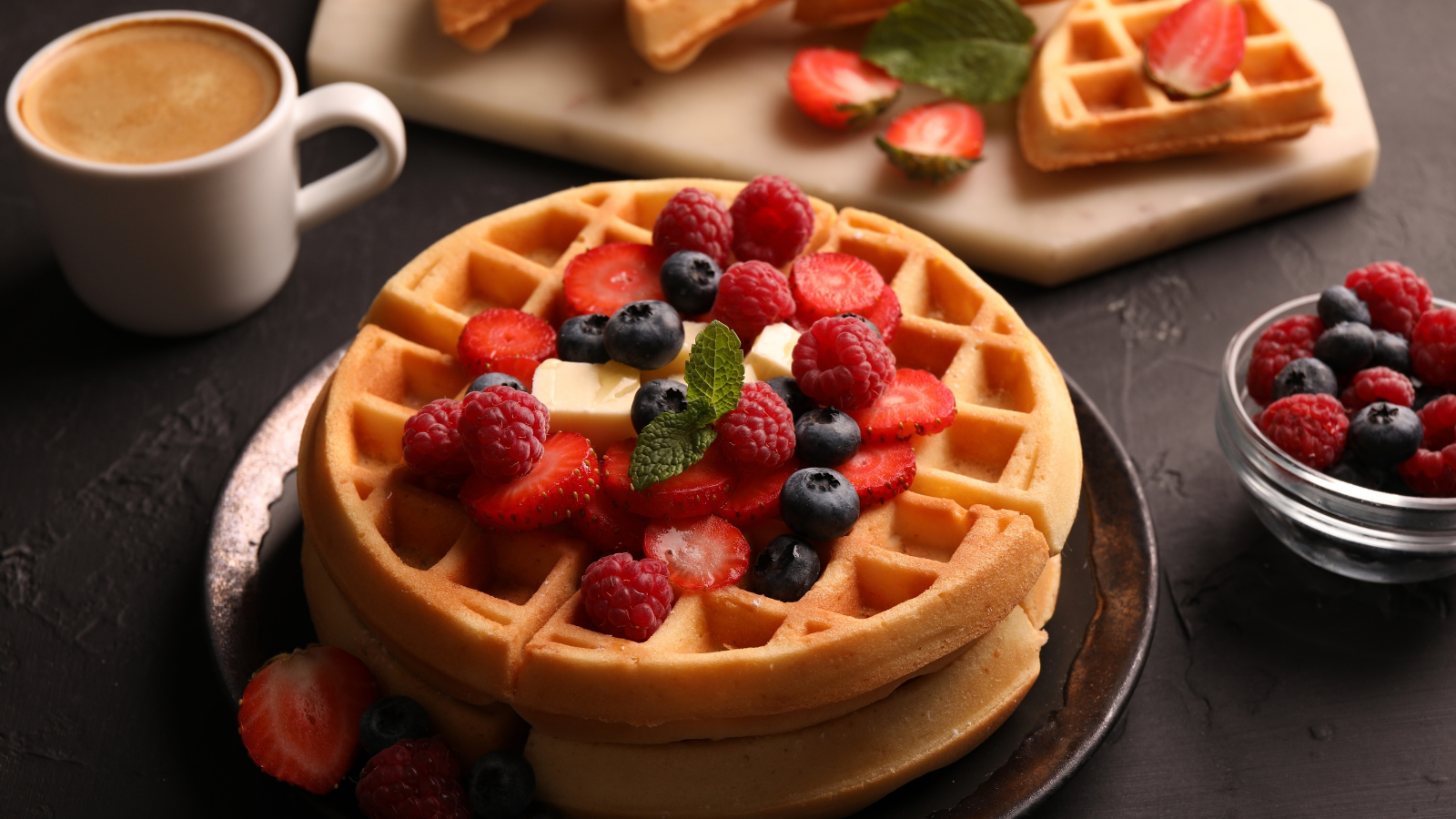
The waffles were a huge hit with fairgoers, and they sold for about a dollar each. Vermersch’s waffles were lighter and fluffier than the thin waffles Americans were used to.
After the fair, Belgian waffles became popular in restaurants and homes across the country. Waffle irons designed for the thick, deep-pocketed style are now common in American kitchens and hotel breakfast bars.
Why World’s Fairs Were So Important for Food
World’s fairs brought together millions of people from around the world, creating a huge audience for new foods. Vendors and companies used the fairs to introduce products that might otherwise have taken years to catch on. A food that became popular at a fair could quickly spread across the country.
The fairs also reflected the excitement of the times. New technology, like electric cotton candy machines and puffing cannons, made food feel modern and exciting. Visitors went home eager to try these new treats again. Several foods from this era appear among the iconic American foods accidentally invented.
The Legacy of the Fairs
Today, world’s fairs are less common, and they do not have the same cultural impact they once did. But their influence on American food is still clear. Every time we eat an ice cream cone, a brownie, or a box of Cracker Jack, we are enjoying a piece of world’s fair history.
Many of these foods are still beloved classics, enjoyed at baseball games, county fairs, and family gatherings. They are among the foods we believe have earned their fame.
Which of these world’s fair foods is your favorite, and did you know where it came from? Many readers say the dentist who invented cotton candy is their favorite bit of trivia.