7 Foods You Should Avoid Eating at Night
That late-night slice of pizza or bowl of ice cream might sound like the perfect way to end a long day. But what tastes comforting at 10 p.m. could leave you tossing and turning hours later.
Sleep is already a struggle for millions of Americans. According to an April 2026 report from the CDC, 30.5% of U.S. adults slept fewer than seven hours per night in 2024. While food isn’t the only reason people lose sleep, what you eat before bed can make a difference.
Here are seven familiar foods worth limiting late at night, especially if you’re sensitive to caffeine or prone to heartburn.
Pizza
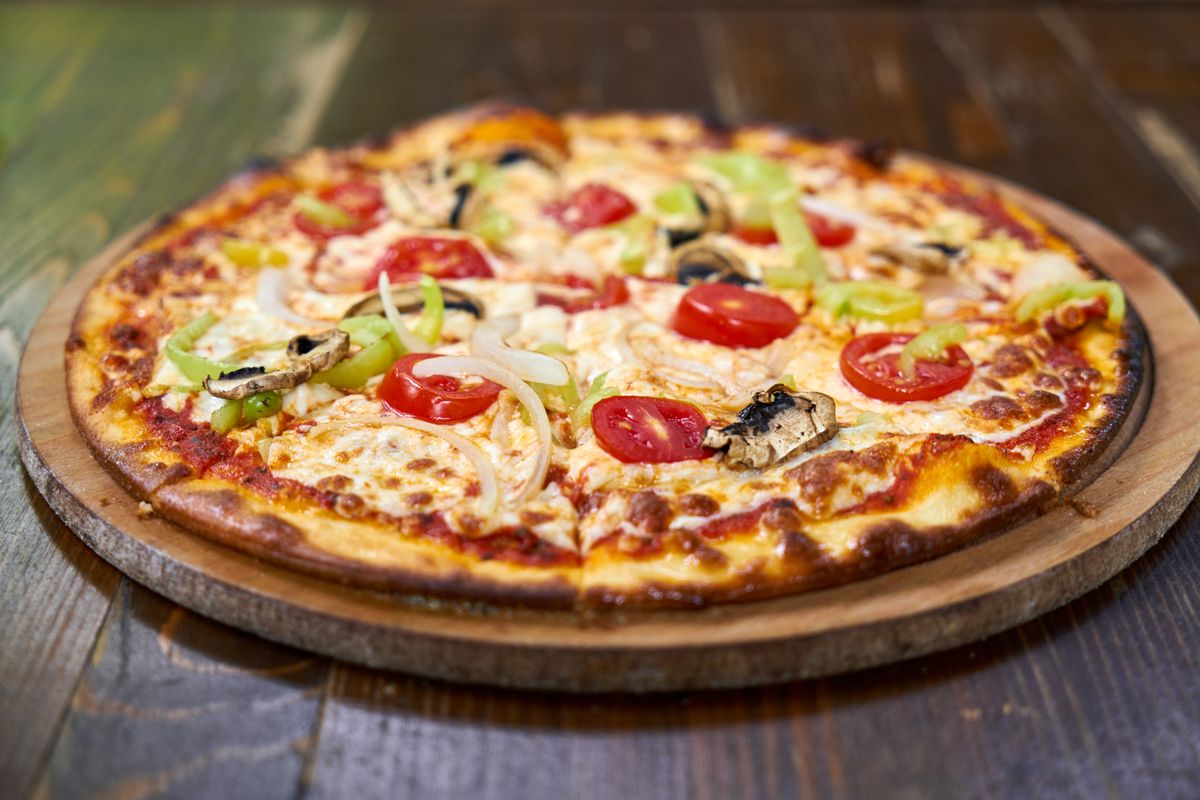
Pizza might be America’s favorite late-night comfort food, but that cheesy slice could come with an unwanted side of heartburn.
Fatty cheese, greasy toppings, and acidic tomato sauce can trigger acid reflux in some people. According to the National Institute of Diabetes and Digestive and Kidney Diseases (NIDDK), high-fat and acidic foods are common reflux triggers.
If you’re craving pizza, enjoying it earlier in the evening may be a better choice than eating several slices right before lying down.
Chocolate
A few squares of chocolate after dinner seem harmless. However, chocolate contains caffeine, and some people are sensitive enough to notice its effects on sleep.
A 2013 study published in the Journal of Clinical Sleep Medicine found that a 400-milligram dose of caffeine significantly disrupted sleep even when consumed six hours before bedtime.
That study tested a much larger caffeine dose than you’d get from a typical serving of chocolate. Still, chocolate also appears on the NIDDK’s list of potential acid reflux triggers, making it worth watching if nighttime heartburn is familiar.
Spicy Chicken Wings
Buffalo wings and hot sauce might make game night more exciting, but they aren’t always friendly to bedtime.
Spicy foods can trigger heartburn and indigestion, particularly when eaten close to lying down. That uncomfortable burning sensation can make falling asleep considerably harder.
The Sleep Foundation also identifies spicy foods as potential sleep disruptors. If you love fiery wings, consider saving the hottest flavors for lunch or an earlier dinner.
Related: 7 Best Types of Lettuce You Should Be Eating for Every Meal
Ice Cream
There’s something irresistible about reaching for a carton of ice cream while watching your favorite show. Unfortunately, a generous late-night serving may not be the best way to prepare for sleep.
Ice cream can contain substantial amounts of added sugar and saturated fat, depending on the variety. Research summarized by the Sleep Foundation links diets high in these components with poorer sleep quality, although that doesn’t prove one bowl of ice cream will ruin your night.
You don’t need to abandon your favorite flavor. A smaller serving earlier in the evening may be a more comfortable option.
French Fries
Whether they come from McDonald’s, a local diner, or your air fryer, French fries are an easy snack to keep eating long after you’re full.
The concern is especially relevant with deep-fried fries because high-fat foods can contribute to reflux symptoms in susceptible people. Lying down shortly after a large serving may make that discomfort more noticeable.
Rather than making a large order your midnight snack, consider enjoying fries alongside dinner, leaving your stomach some time before bedtime.
Tomato-Based Pasta
A big bowl of spaghetti with marinara sauce might feel like the ultimate comfort dinner. But if you’re eating it right before bed, the tomato sauce could become a problem.
Tomatoes are acidic and can trigger reflux in some people. Large portions may add to the discomfort, particularly when you go straight from the dinner table to the couch or bed.
The NIDDK recommends that people experiencing nighttime reflux finish meals at least three hours before lying down. That simple timing adjustment may matter more than giving up pasta altogether.
Sugary Breakfast Cereal
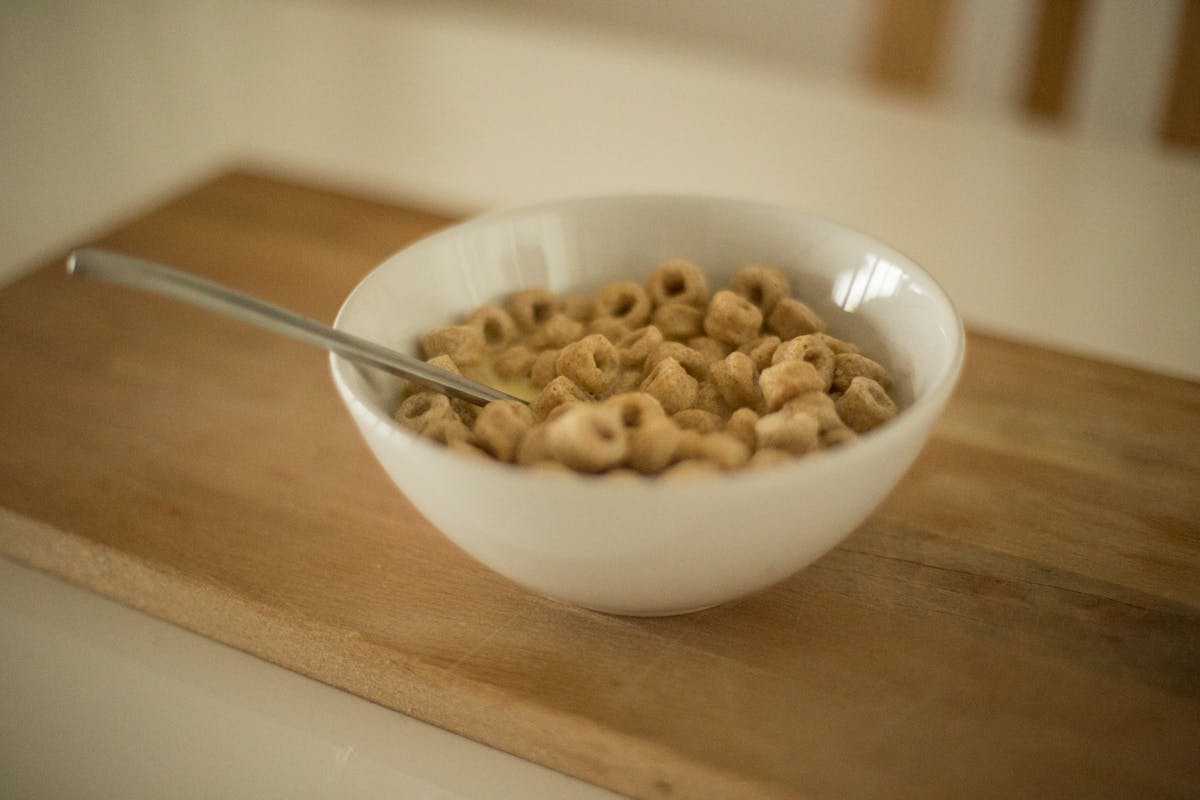
Cereal isn’t just for breakfast anymore. For many Americans, pouring a quick bowl late at night is easier than preparing another meal.
However, heavily sweetened cereals aren’t necessarily the best bedtime choice. The Sleep Foundation’s 2026 nutrition and sleep guidance notes that higher added-sugar intake is associated with poorer sleep, although the research does not establish that eating sugary cereal at night directly causes insomnia.
If you’re genuinely hungry, a modest bowl of lower-sugar cereal or oatmeal may be a more sensible choice than a giant serving of Frosted Flakes.
What Should You Eat Before Bed Instead?
The good news is that nighttime eating isn’t automatically bad. A small snack can be perfectly reasonable when you’re hungry, and you don’t need to treat your kitchen as off-limits after sunset.
Options such as plain yogurt, a banana, or a small serving of oatmeal may be easier bedtime choices, depending on your individual needs.
The biggest takeaway is to pay attention to portion size, timing, and how your body responds. Foods that disturb one person’s sleep may not bother someone else.
And if nighttime heartburn keeps returning, it’s worth discussing with a healthcare professional rather than simply cutting more foods from your diet.
Sometimes, a better night’s sleep starts with knowing when to put down the fork.