7 Things Waitresses Say Older Diners Always Do
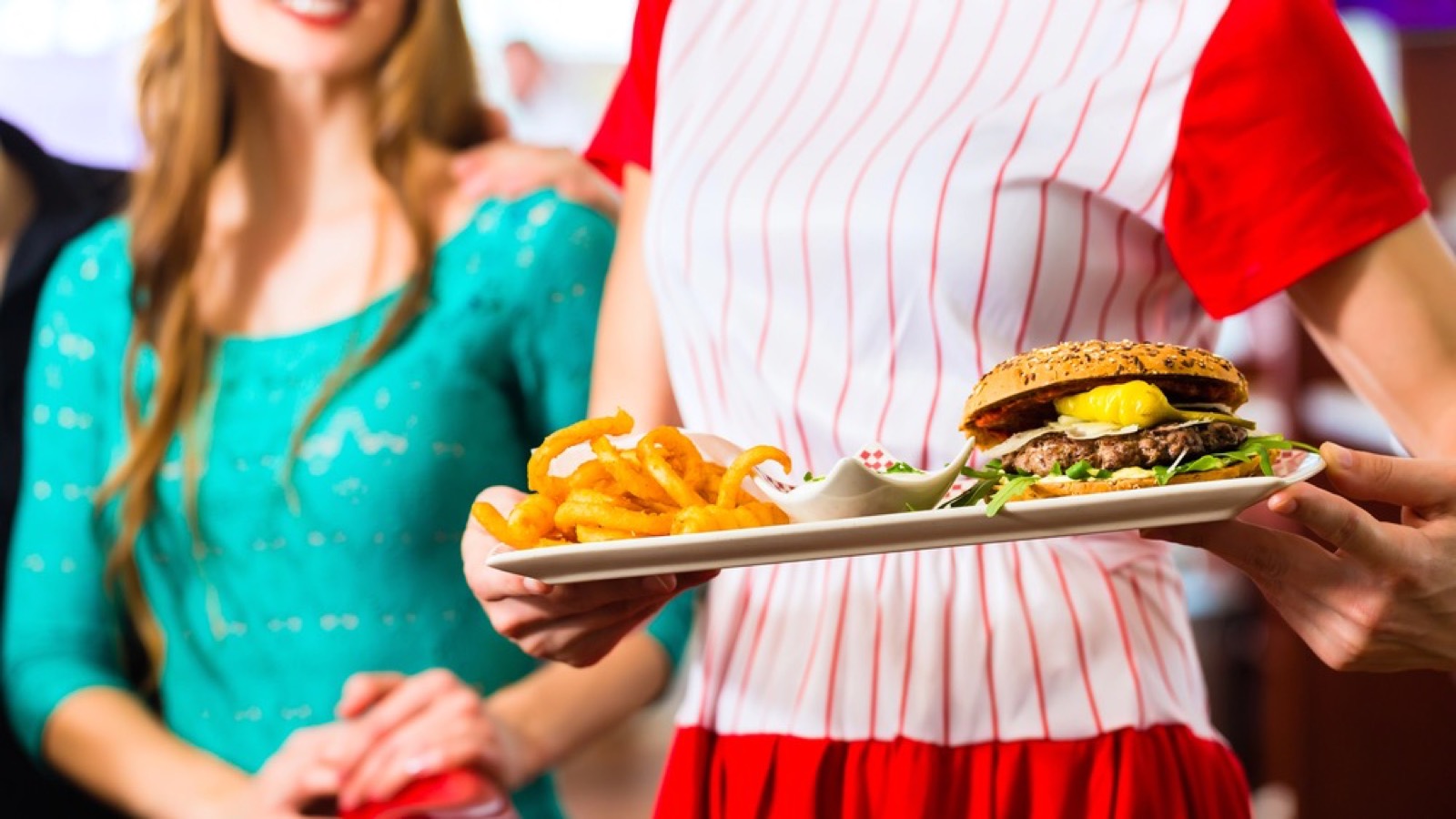
Talk to anyone who has worked as a server for a few years, and they’ll tell you every age group has its habits. Young diners might split the check six ways and photograph their food before eating it. Families with toddlers leave a trail of crackers under the table. And older diners have their own set of routines that servers come to recognize right away.
Many waitresses say older customers are among their favorites. They tend to be polite, loyal and patient, and they often remember a server’s name from one visit to the next. Some have been eating at the same diner, at the same table, for decades.
Of course, older diners have their quirks, too, and servers have plenty of affectionate stories about them. Here are the things waitresses say older diners almost always do.
1. They Order the Same Thing Every Time
Many older diners find a meal they love and stick with it. They come in on the same day, sit in the same booth and order the same dish, sometimes for years. Servers often have their order ready before they even sit down.
Waitresses say this loyalty is one of the things they love most about older customers. A regular who orders “the usual” makes the job easier and more personal. Some servers say they’ve known certain customers for so long that they feel like family.
2. They Ask for Coffee Right Away
For many older diners, the meal starts with coffee. They often ask for a cup as soon as they sit down, before even looking at the menu. And they expect it to be hot and refilled often.
Servers say older customers tend to drink their coffee black or with cream, and they notice when it’s weak or lukewarm. Many enjoy lingering over several cups after their meal, chatting with friends long after the plates have been cleared. A good server keeps the pot moving.
3. They Ask About Substitutions
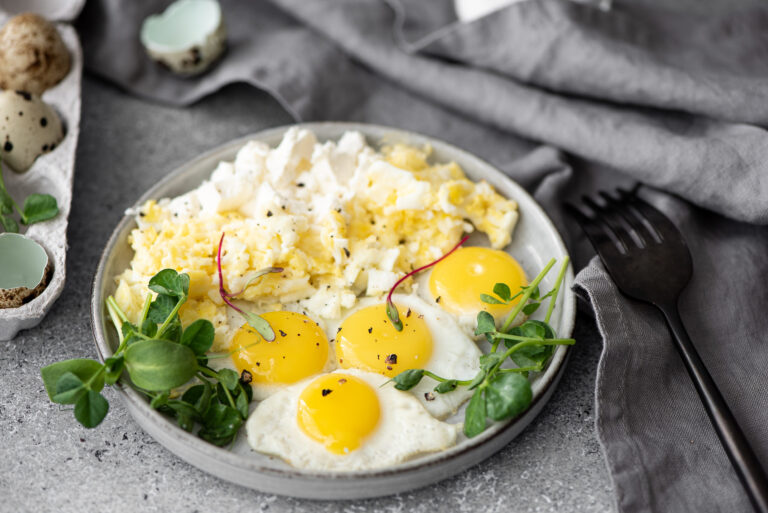
Older diners often know exactly how they want their food prepared. They might ask for dressing on the side, gravy instead of butter, toast instead of a biscuit or their eggs cooked a certain way. Some have dietary needs, while others simply have firm preferences.
Waitresses say most older customers are polite about their requests, and they appreciate it when the kitchen can accommodate them. Many remember a time when restaurants were happy to make small changes without a fuss, and they’re loyal to the places that still do.
4. They Pay With Cash
Many servers say older diners are more likely to pay their bills in cash, and to leave their tips in cash, too. Some carry a little envelope or a wallet full of bills set aside specifically for eating out. Others still write checks in places that accept them.
Waitresses often appreciate cash tips because they get the money right away. Some older customers also tip in coins or round up to an even number. Many servers say their regulars are generous, especially when they’ve built a friendly relationship over time.
5. They Come In Early
The early-bird special became famous for a reason. Many older diners prefer to eat dinner in the late afternoon, often between 4 and 6 p.m. Some like the quieter atmosphere, while others want to be home before dark or appreciate discounts offered during those hours.
Servers say the early dinner rush can be busy at restaurants popular with retirees. Many diners and family restaurants still offer early-bird menus, senior discounts or smaller portions at lower prices to attract these customers. Waitresses often get to know this crowd well.
6. They Chat With the Server
Older diners often enjoy talking with their servers. They ask about their families, remember details from past conversations and share stories of their own. For many, eating out is a social occasion, and a friendly server is part of the experience.
Some waitresses say they’ve formed real bonds with older customers, attending their birthday parties or checking on them when they stop coming in. For older adults who live alone, a regular meal at a familiar restaurant with a server who knows them can be an important part of their week.
7. They Ask for a Box to Take Home
Older diners rarely let good food go to waste. Many order a meal knowing they’ll take half of it home for lunch the next day. Some even ask for a to-go box when they place their order, so they can set aside a portion right away.
Waitresses say older customers often ask for extra bread, crackers or jelly packets to take home, too. Many grew up during times when nothing was wasted, and those habits have stayed with them. A meal stretched into two is just smart thinking.
Why Servers Appreciate Older Diners
Waitresses often say older diners are some of their most respectful customers. They say please and thank you, are patient when the kitchen is busy and tend to treat servers with kindness. Many grew up in an era when good manners at a restaurant were expected.
Older diners are also loyal. They return to the same restaurants for years, recommend them to friends and become part of the community. Restaurants that cater to them, with comfortable seating, easy-to-read menus and friendly service, often build a steady base of regulars.
A Few Challenges
Of course, servers also mention a few challenges. Some older diners can be particular about their food or slow to order. Others may have trouble hearing in a noisy restaurant or reading small print on menus. Servers often adjust by speaking clearly and offering help.
Tipping habits can vary as well. Some servers say older customers tip less than younger ones, while others say their older regulars are among their most generous. Much depends on the customer and the relationship.
How Servers Can Win Them Over
Waitresses who do well with older diners often share a few habits. They speak clearly, face the table when talking and are happy to repeat specials or read parts of the menu aloud. They keep coffee cups full and don’t rush customers who want to linger.
Remembering a regular’s name and usual order is one of the best ways to build loyalty. Older diners often reward this kind of attention by coming back week after week and asking for the same server by name. For many waitresses, these relationships are among the best parts of the job.
The Heart of the Local Diner
In many towns, older diners are the heart of the local diner or family restaurant. They’re there for breakfast after church, lunch with friends and early dinners on weeknights. Their presence gives these places a sense of community and continuity.
For servers, getting to know these customers can be one of the best parts of the job. A friendly regular who orders the same meal every week and asks how your kids are doing can turn a long shift into something meaningful. And that’s worth more than any tip.