7 Things You Should Never Do at an ATM
Thanksgiving week is one of the busiest travel stretches of the year, and plenty of people will be grabbing cash at airports, gas stations and unfamiliar ATMs along the way. It takes about a minute, which is exactly why it’s easy to stop paying attention.
Criminals count on that. Card skimmers and hidden cameras are built to blend in, and a slow response can cost you more than the cash you withdrew. Here are seven things you should never do at an ATM, drawn from guidance by the FDIC, the FBI and the Federal Trade Commission.
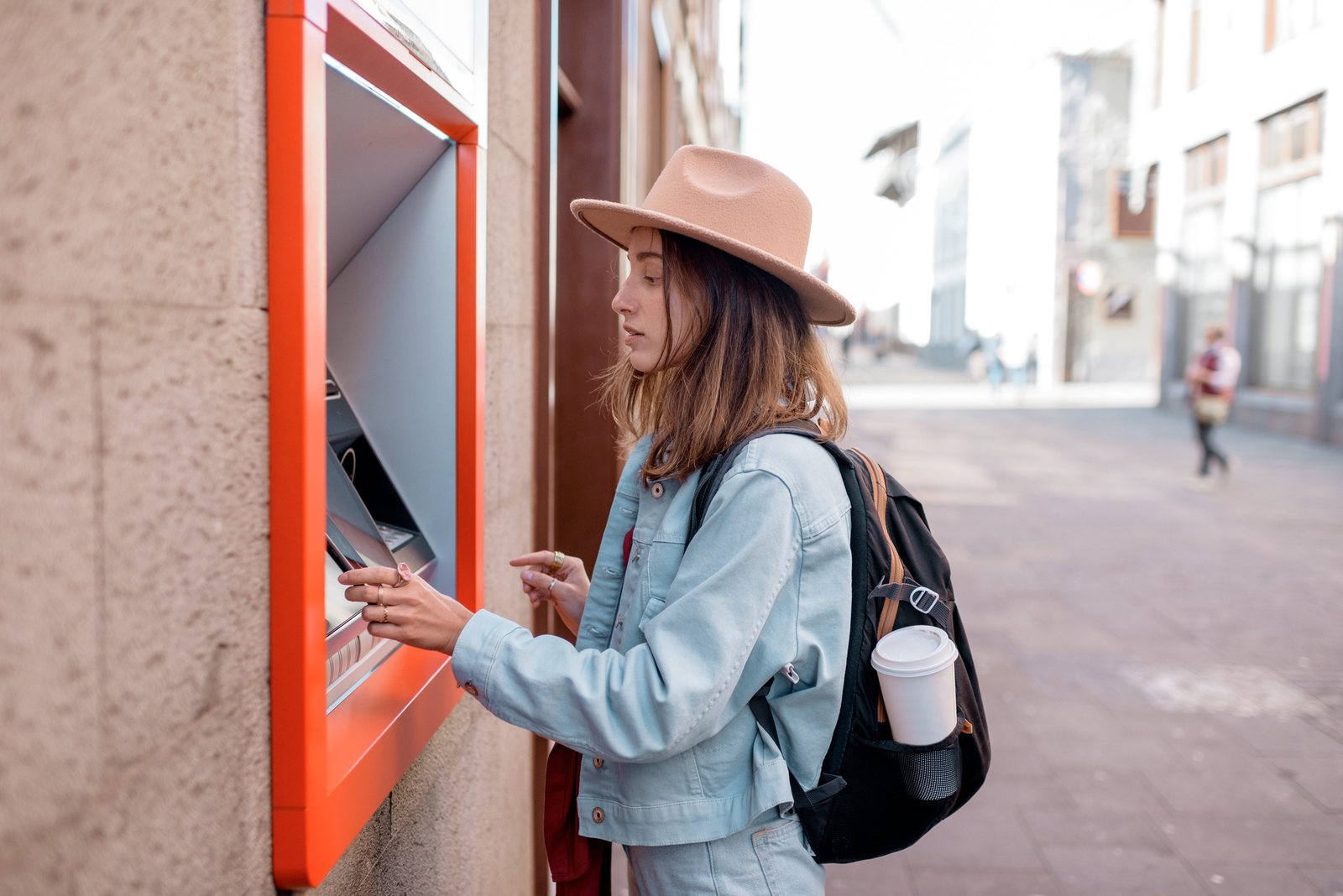
1. Never Skip a Quick Look at the Card Reader
Before your card goes in, take a second to look at the machine. The FDIC warns that a card slot that doesn’t slide in easily, or a reader that looks loose, crooked or damaged, can be a sign of a skimmer. Scratches, glue or tape around the slot are red flags too.
The FBI explains that thieves often place a fake reader right over the real one and attach it with double-sided tape, sometimes leaving it for only a few hours. A gentle wiggle of the slot is a habit worth building, right alongside the travel routines in this personal-item survival kit for holiday flights.
2. Never Type Your PIN Without Covering the Keypad
Skimmers grab your card data, but thieves still need your PIN. They often get it with a tiny hidden camera or a fake keypad laid over the real one, according to the FBI.
Cover the keypad with your other hand every time. The FDIC notes this won’t beat a keypad overlay, but it does block hidden cameras. Also watch for a keypad that looks thicker or different than usual. Guarding your PIN is part of the same mindset that helps you spot the text messages scammers send right before Christmas.
3. Never Use an Isolated or Poorly Lit Machine
Convenience isn’t worth the risk. The FDIC recommends choosing ATMs in well-lit areas that are visible to security cameras and the public, and the FBI suggests machines inside buildings, where criminals have less access to tamper with them.
That’s especially true when you’re on the road. The FBI says ATMs in tourist areas are frequent targets, so if you’re traveling for the holiday, a machine inside your bank branch or a busy store is a better bet. Packing light helps you stay alert, too, as these carry-on suitcases worth packing show.
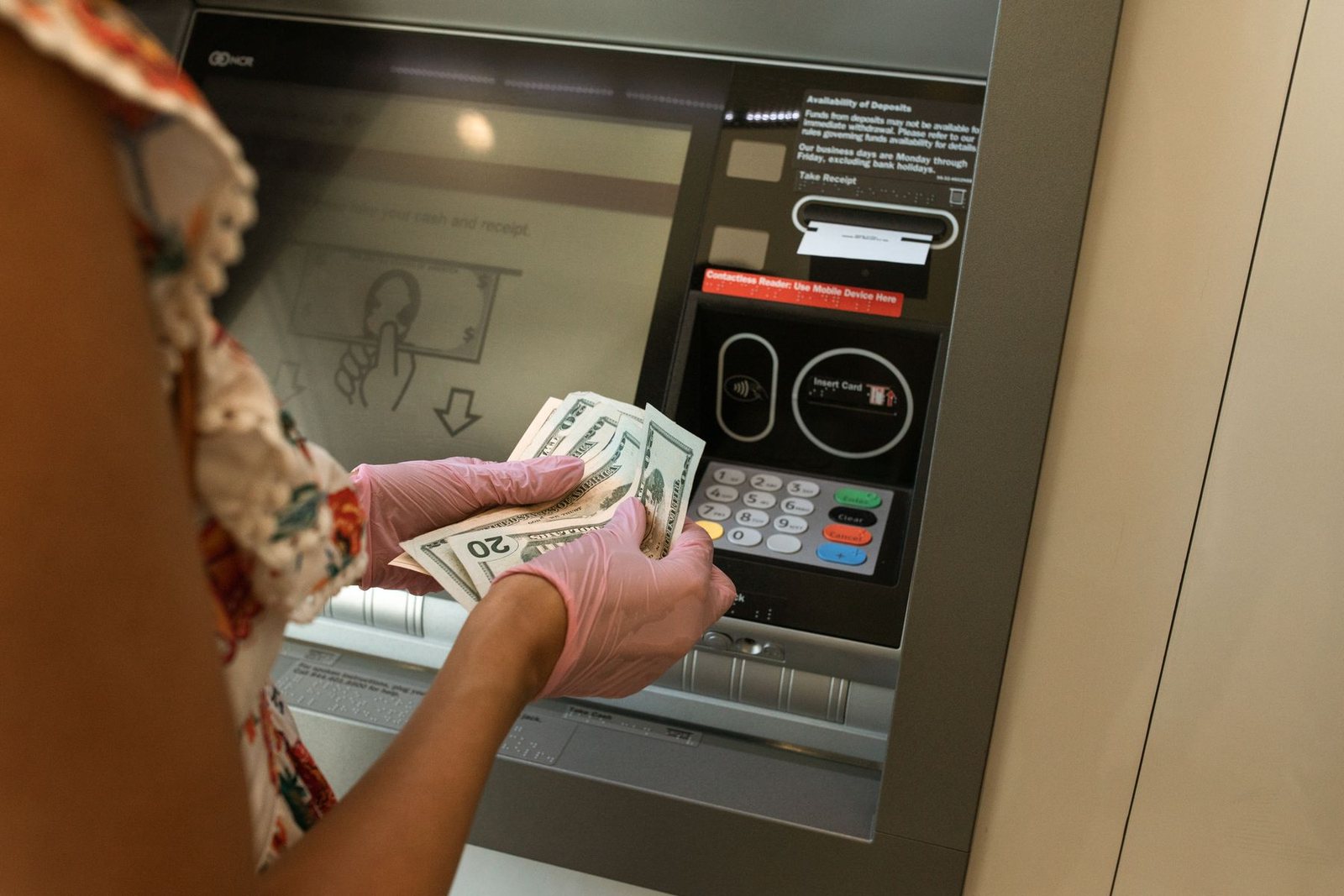
4. Never Follow a Sign Pointing You to One Machine
If you see a row of ATMs and a sign telling you to use only one of them, be suspicious. The FDIC specifically flags sign-directed machines as a possible setup, and recommends using a different one.
The same goes for any machine that just feels off. If something looks altered, the FDIC says to stop and alert the machine’s owner or the police. Traveling as a group helps here, and if you’re hauling one luggage set for the whole family, let someone else watch the bags while you focus on the screen. You can always keep a little cash on hand at home so you’re never forced to use a sketchy ATM in a pinch.
5. Never Accept Help From a Stranger
A friendly person who offers to “fix” a stuck card or shows you how the machine works may be part of a scam. Some will try to watch you enter your PIN or distract you while your card is still in the slot.
Politely decline and keep your body between the screen and anyone nearby. If someone is crowding you, cancel the transaction and leave. Scammers at the machine and on your phone both rely on pressure and urgency, so slowing down is your best defense.
6. Never Walk Away Without Your Card and Receipt
It sounds obvious, but in a rush it’s easy to grab the cash and forget the card. If the machine keeps your card after a transaction or after you cancel, the FBI advises contacting your card-issuing bank immediately, not waiting until you’re home.
Take your receipt too, or opt for a digital one, rather than leaving it in the tray or the trash bin next to the machine. Then put your cash away before you step back into the crowd.
7. Never Wait to Report a Lost Card or Strange Charges
Speed really matters here. The FTC explains that if you report a lost or stolen ATM or debit card before any unauthorized charges, you owe nothing. Report within two business days and your liability is capped at $50. Wait longer and it can climb to $500, and after 60 days from when your statement is sent, you could lose everything taken from the account.
The FDIC adds that thieves often test stolen card data with small charges first, so check your account regularly and report anything unfamiliar to your bank right away.
A safe ATM visit takes only a few extra seconds. Look at the machine, cover your PIN, pick a busy location and keep an eye on your account, and you’ll head into the holiday with your cash and your peace of mind.