8 Commonly Sold Items in the 1980s That Are Now Illegal
The 1980s gave America big hair, mall culture, cassette tapes, wood-paneled station wagons, and a long list of products that looked perfectly normal on store shelves.
Parents bought them, kids played with them, and homeowners kept them in garages, medicine cabinets, nurseries, and sheds without a second thought. Then the lawsuits, injuries, health studies, environmental rules, and safety investigations started piling up.
Some products disappeared quietly. Others left the market after public outrage, government bans, or heartbreaking accidents. What once felt like everyday shopping now looks like a time capsule of risks people did not fully understand.
Metal-Tipped Lawn Darts

In the 1980s, lawn darts looked like harmless backyard fun. Families tossed the heavy, pointed darts toward plastic rings on the grass, often during cookouts or summer weekends. The problem was painfully simple. These were not soft toys. They were weighted spikes flying through the air.
The U.S. Consumer Product Safety Commission banned lawn darts in 1988 after serious injuries and deaths made the danger impossible to ignore. Today, selling the old metal-tipped versions is illegal in the United States. If a dusty set turns up at a garage sale, it is not a nostalgic treasure. It is a banned product that should not be returned to circulation.
Leaded Gasoline for Regular Cars
For much of the 20th century, leaded gasoline was just what many drivers pumped into their cars. In the 1980s, it was already being pushed out, but it still existed in parts of the market. People knew gas smelled rough, but they did not always connect that ordinary pump stop with lead exposure, air pollution, and long-term public health damage.
The federal ban on leaded gasoline for on-road vehicles took effect in 1996. That means the fuel your parents or grandparents may have bought during the 1980s for regular driving is no longer legal for everyday cars on American roads. Some leaded fuels still exist for limited off-road uses, but the old mainstream gas-station version is gone for good.
Drop-Side Cribs

Drop-side cribs once seemed like smart parenting gear. One side slid down, making it easier to lift a baby in and out. For tired parents at 2 a.m., that convenience looked like a blessing. Unfortunately, the moving side could loosen, detach, or create gaps where babies could become trapped.
Modern crib safety rules changed the market completely. Drop-side cribs are now banned from sale and resale in the United States. The danger is not just theoretical. Regulators linked these cribs to suffocation, entrapment, recalls, and infant deaths. That old crib in the attic may carry family memories, but it should not be sold or used as a sleeping space.
Crib Bumpers
Crib bumpers were once a nursery staple. They were sold as soft, pretty padding that could keep babies from bumping against crib rails. In the 1980s, many parents saw them as part of a complete nursery set, especially when they matched the sheets, curtains, and baby blanket.
Today, crib bumpers are banned as hazardous products under federal law. The concern is suffocation, restricted breathing, and unsafe sleep conditions. Modern safe-sleep advice is much simpler than the old nursery catalogs suggested. A baby’s crib should be firm, flat, and clear, without padded bumpers lining the sides.
Methylene Chloride Paint Strippers
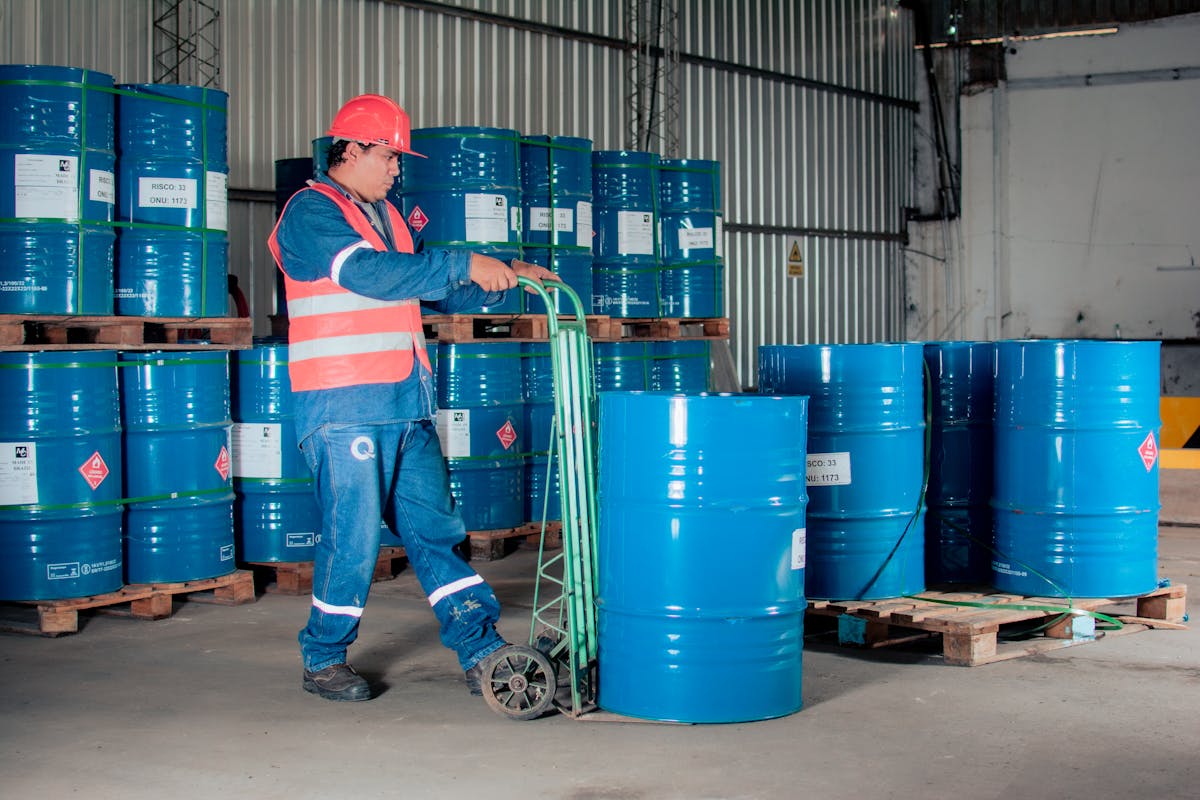
In the 1980s, a strong paint stripper was the kind of thing a handy homeowner might grab for a weekend project. Methylene chloride products worked quickly, making them popular for removing old paint from furniture, doors, cabinets, and home fixtures. The danger was that the same fumes that made the product powerful could also become deadly in poorly ventilated spaces.
Consumer paint and coating removers containing methylene chloride are now banned from retail distribution for that use. The chemical has been tied to acute poisoning, loss of consciousness, and deaths. The old do-it-yourself attitude of “open a window and keep going” no longer aligns with what scientists and regulators know about the risks.
Realistic Toy Guns Without Safety Markings
Toy guns were everywhere in the 1980s. Some looked cartoonish, but others were made to resemble real firearms far too closely. Kids played cops and robbers in yards, parks, and apartment complexes with toys that could look terrifyingly real from a distance.
Federal law now makes it illegal to manufacture, ship, transport, or receive toy, look-alike, or imitation firearms unless they carry approved safety markings. Those markings can include blaze-orange tips or other approved visual features. A realistic black toy pistol that might have sat on a toy-store shelf decades ago can now create legal trouble and real danger.
Mercury Fever Thermometers
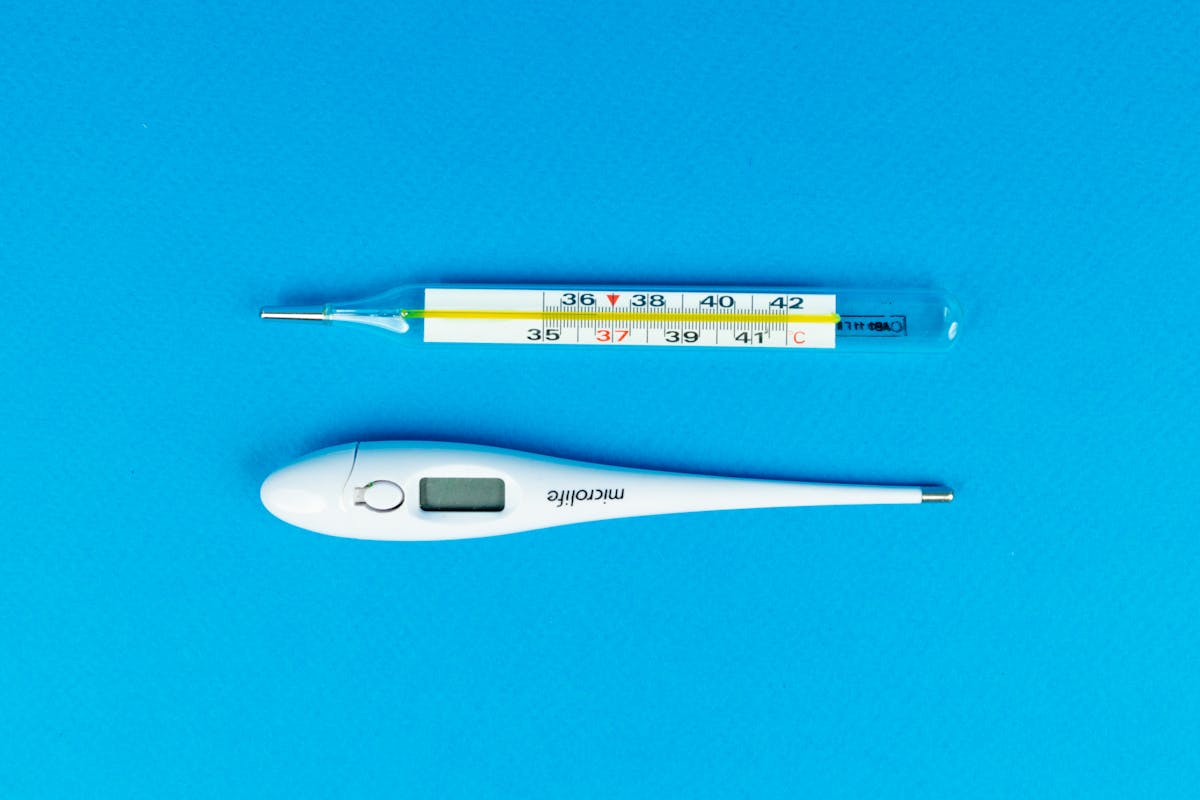
The glass mercury thermometer was once a medicine-cabinet classic. Parents shook it down, tucked it under a child’s tongue, and waited. It felt clinical, reliable, and ordinary. The risk came when the glass broke and released mercury, a toxic substance that can contaminate homes and harm health.
Mercury fever thermometers are now banned or heavily restricted in several states and municipalities. Some places prohibit their sale, distribution, or ordinary retail availability, with narrow exceptions. Digital thermometers replaced them for good reason. The old silver line inside the glass may look nostalgic, but it carries a risk modern households no longer need.
Asbestos-Containing Automotive Parts
Asbestos was once used in many products because it resisted heat so well. That made it useful in brake linings, gaskets, and other automotive parts. In the 1980s, many drivers had no idea that routine car repair could disturb fibers linked to serious disease.
Modern rules have tightened sharply around asbestos. The EPA’s 2024 chrysotile asbestos rule bans ongoing uses of the only known form of asbestos still imported, processed, and distributed in the United States, including restrictions affecting certain aftermarket automotive brakes, linings, and gaskets. The old logic was durability first. The modern lesson is harsher. A product can work well and still be too dangerous to keep selling.
Conclusion
The strangest thing about these 1980s products is how normal they once felt. A crib with a sliding side, a thermometer from the medicine cabinet, a backyard game, a toy gun, or a can of paint stripper did not look like a legal problem. They looked like everyday life.
That is what makes this list so revealing. Laws often change after people learn the cost of convenience, nostalgia, or cheap manufacturing. The 1980s may still feel colorful and fun in memory, but some of its store shelves carried risks that modern shoppers would never accept.