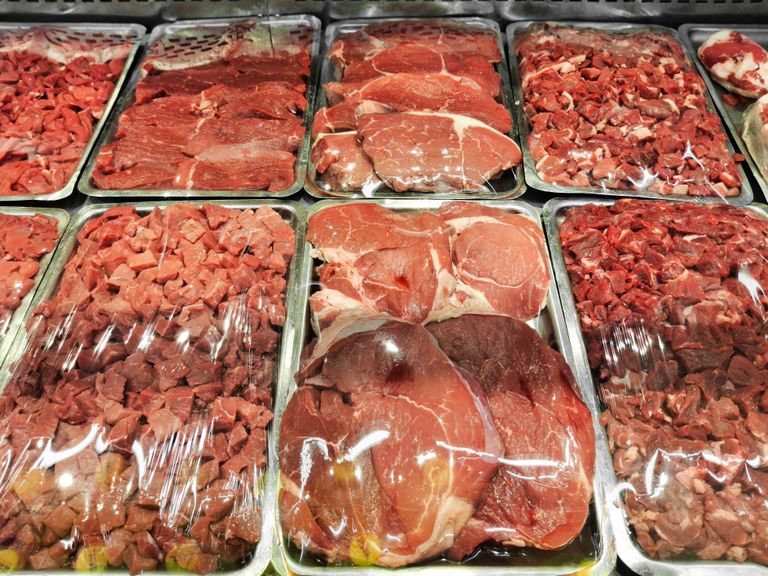
8 Cuts of Beef That Used to Be Cheap and Now Cost a Fortune
Ask anyone over 60 about beef prices and you’ll probably hear a story about the cheap cuts their mother used to buy. Oxtails for soup, short ribs for Sunday dinner, flank steak for a weeknight meal. These were the cuts working families relied on because the expensive steaks were out of reach.
Today, many of those same “cheap” cuts cost as much as a nice steak used to, and some cost even more. Part of the reason is that beef prices overall have climbed to record highs in recent years, as the U.S. cattle herd has shrunk to its smallest size in decades. The Department of Agriculture’s Economic Research Service tracks those trends, and the story is the same everywhere: fewer cattle and strong demand mean higher prices.
But something else happened too. Chefs, TV cooking shows and food bloggers “discovered” many of grandma’s budget cuts, and demand soared. Here are eight cuts of beef that used to be cheap and now cost a fortune.
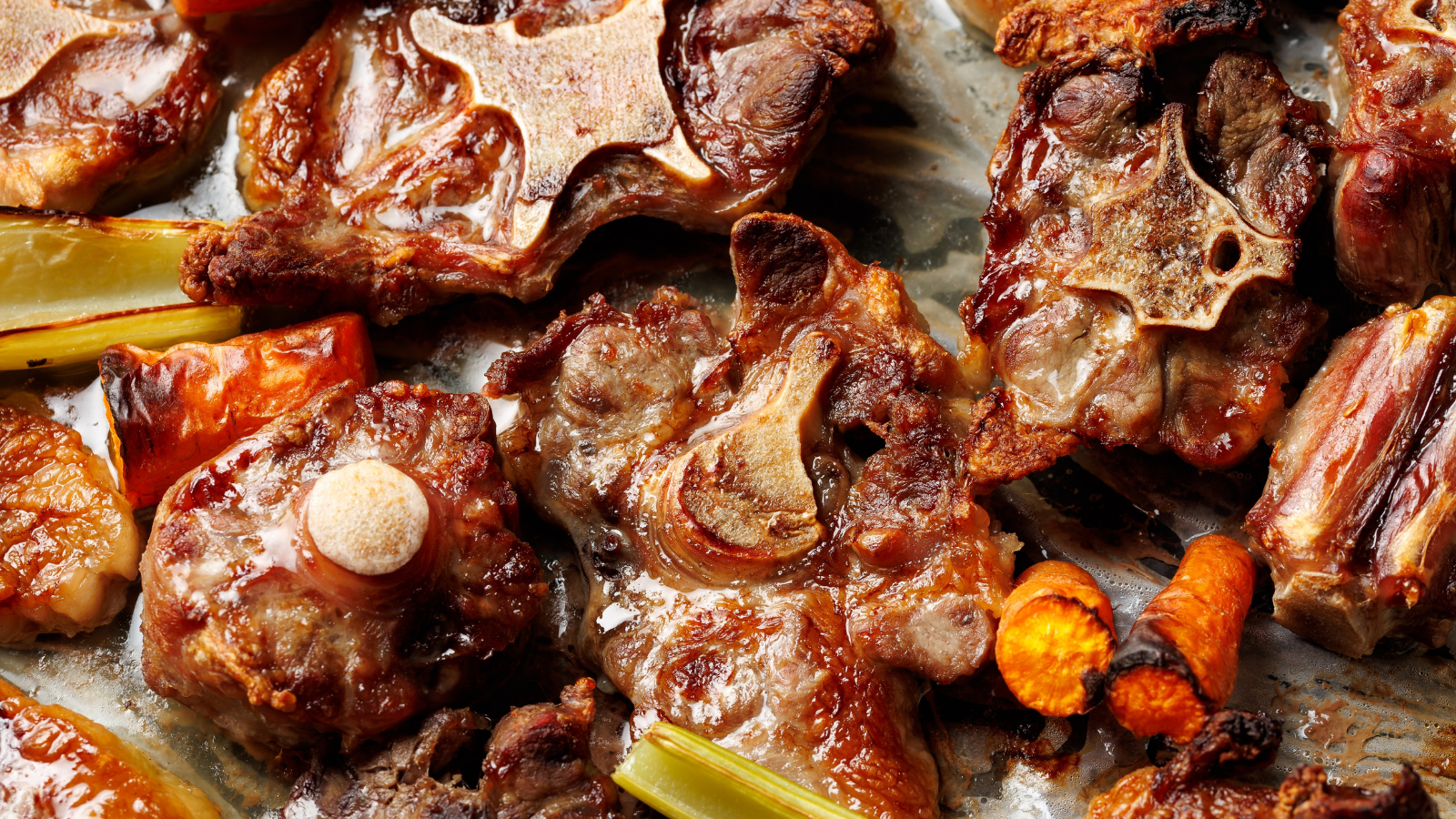
1. Oxtail
For generations, oxtail was a bargain cut that butchers practically gave away. Grandmothers, especially in the South and in Caribbean and Black American kitchens, simmered it for hours into rich stews and soups that stretched to feed a whole family.
Today, oxtail is one of the most talked-about cuts in the meat case, and the price shows it. In many grocery stores, oxtail now sells for well over $10 a pound, and some shoppers report seeing prices much higher. Restaurants serve it as a specialty dish, and social media is full of people asking when oxtail became a luxury.
2. Short Ribs
Short ribs were once a cheap, fatty cut that needed long, slow cooking to become tender. Families braised them in the oven on cold Sundays, and nobody thought of them as fancy.
Then restaurants began serving braised short ribs as a high-end entrée, and home cooks followed. Korean-style short ribs grew popular too. Now boneless short ribs often cost as much per pound as a strip steak, and bone-in short ribs aren’t far behind.
3. Flank Steak
Flank steak was a lean, tough cut that mothers marinated and broiled, then sliced thin against the grain to make it tender. It was the go-to cut for London broil and a cheap way to serve steak on a weeknight.
The popularity of fajitas, stir-fries and grilled steak salads changed all that. Flank steak is now one of the pricier cuts in many stores, often costing more than sirloin. Shoppers who remember it as a budget option are often shocked at the checkout.
4. Skirt Steak
Skirt steak was once a butcher’s secret, a cheap and flavorful cut that rarely made it into home kitchens. In Texas and the Southwest, it was the original fajita meat, popular with ranch workers because it was inexpensive.
As fajitas spread across the country in the 1980s and 1990s, demand for skirt steak exploded. Restaurants bought much of the supply, and prices climbed. Today, skirt steak can be hard to find at all in some stores, and when it is available, it often carries a premium price.
5. Brisket
Brisket was a tough, cheap cut that Jewish grandmothers slow-cooked for holidays and that Texas pitmasters smoked for hours. For most of the 20th century, it was one of the most affordable large cuts a family could buy.
The barbecue boom changed everything. As Texas-style barbecue became a nationwide obsession, demand for brisket soared. Whole briskets, especially high-grade ones, now cost far more than they did a generation ago, and many families say a holiday brisket has become a splurge.
6. Beef Cheeks
Beef cheeks were once considered scraps, used mainly for sausage or sold cheaply to customers who knew how to braise them. In many butcher shops, you had to ask for them specially.
Now beef cheeks appear on restaurant menus as a delicacy, braised in red wine and served over polenta. Their price has climbed as chefs embraced them, and they’re no longer the bargain they once were. Many grocery stores don’t carry them at all.
7. Tri-Tip
Tri-tip was once a cut that butchers in much of the country ground into hamburger or cut into stew meat. In California, especially around Santa Maria, it became a local barbecue favorite, but elsewhere it was barely known.
As word spread, tri-tip became popular across the country. Grocery stores began selling it whole, and prices rose along with demand. Many shoppers now see it as a premium roast rather than the cheap cut it once was.
8. Ground Beef
Even ground beef, the most basic cut of all, has become surprisingly expensive. For decades, hamburger was the cheapest way to put beef on the table, the foundation of meatloaf, casseroles, tacos and spaghetti sauce.
Ground beef prices have hit record highs in recent years, and the government’s average price data shows how far they’ve climbed. For families on a budget, that’s a big deal, because ground beef is the meat they rely on most. Many older shoppers say they never imagined paying this much for hamburger.
Why It Matters to Shoppers
These price changes hit hardest for families who grew up depending on cheap cuts to stretch the grocery budget. The cuts that once fed big families on a tight income are now often reserved for special occasions.
Many shoppers are turning to chicken, pork and beans to fill the gap, much like their grandparents did in tough times. Others buy beef in bulk, share a quarter or half of a cow with friends or wait for sales. One thing is clear: the days of grandma’s 39-cent oxtails are long gone, and for many families, beef has become one of the overpriced items they think twice about buying.
Butchers say the same pattern happens again and again. A cut gets popular on cooking shows or social media, restaurants start putting it on menus, and within a few years the price climbs. Shoppers who remember it as a bargain are usually the last to find out.
The Cuts That Are Still a Deal
Not every cut has followed this path. Chuck roast, round steak and stew meat are still more affordable than premium steaks in many stores, though their prices have risen too. Smart shoppers watch weekly ads, buy family packs and freeze what they won’t use right away.
And for many families, the old lessons still apply. A slow-cooked chuck roast with carrots and potatoes can still feed a family for a reasonable price, just as it did in grandma’s kitchen.