8 Foods You Can’t Legally Buy in Some U.S. States
Most Americans assume that if a food is sold in one state, it’s sold everywhere. But food laws in the United States are a patchwork. While the federal government sets many rules, states can add their own restrictions, and some have banned or tightly limited foods that are perfectly legal just across the state line.
Some of these bans are about safety, some protect local industries and some reflect strong opinions about animal welfare or new technology. A few are surprising even to people who live in those states. Here are eight foods you can’t legally buy in some U.S. states, and why.
1. Lab-Grown Meat
Lab-grown meat, also called cultivated meat, is real animal meat grown from cells in a facility rather than from a raised and slaughtered animal. The federal government has approved a few cultivated meat products, but several states have moved to ban them.
Florida and Alabama were among the first states to ban the sale of cultivated meat in 2024, and others followed. Eight states have now enacted bans or temporary moratoriums, including Mississippi, Montana, Indiana, Nebraska, Texas and South Dakota. Supporters of the bans say they protect ranchers and farmers, while critics say they limit consumer choice. Our sister site explains where lab-grown meat is restricted.
2. Raw Milk
Raw milk is milk that hasn’t been pasteurized. Federal law bans selling it across state lines for people to drink, but each state decides whether it can be sold within its borders. More than three dozen states allow some form of raw milk sales, but a number of states still prohibit retail sales entirely.
In some states, raw milk can only be bought directly from a farm. In others, it can sit on store shelves with a warning label. A few states allow “herd shares,” where customers buy a share of a cow and receive milk as part-owners. The FDA warns that raw milk can carry harmful bacteria.
3. Foie Gras in California
Foie gras is a French delicacy made from the fattened liver of a duck or goose. California banned the sale of foie gras produced by force-feeding birds, a practice animal rights groups call cruel.
The ban took effect in 2012, was briefly overturned and then reinstated. The U.S. Supreme Court declined to hear a challenge in 2019, leaving the ban in place. California residents can still buy foie gras online from out-of-state sellers under a later court ruling, but restaurants and stores in the state can’t sell it, according to reports on the long-running legal fight.
4. Pork and Eggs From Caged Animals in California
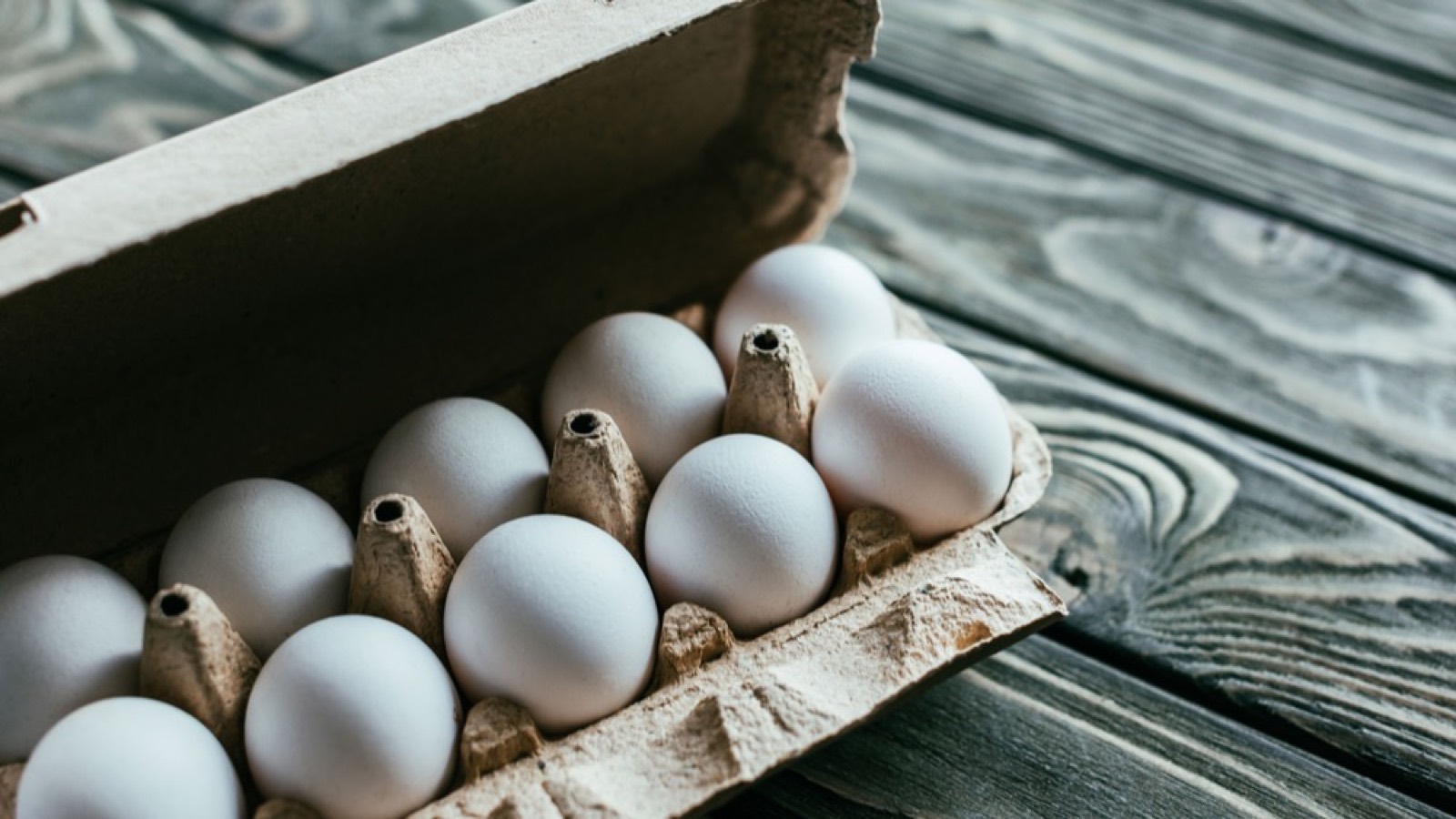
California’s Proposition 12, passed by voters in 2018, bans the sale of pork, veal and eggs from animals kept in cages that don’t meet certain space requirements. That applies even if the animals were raised in other states.
The pork industry challenged the law, arguing it unfairly affected farmers nationwide. In 2023, the U.S. Supreme Court upheld Proposition 12. As a result, some pork products sold elsewhere in the country can’t legally be sold in California. Massachusetts has a similar law.
5. Foods With Certain Additives in California
California made headlines when it became the first state to ban several food additives used in common products. The California Food Safety Act bans brominated vegetable oil, potassium bromate, propylparaben and Red Dye No. 3, starting in 2027.
Some candies, baked goods and other products have already been reformulated to meet the new rules. Other states, including New York, have considered similar bans. Many companies say they’ll change their recipes nationwide rather than make separate products for one state.
6. Kinder Surprise Eggs
The famous Kinder Surprise chocolate eggs, popular around the world, can’t be sold anywhere in the U.S. This is actually a federal rule rather than a state one. The FDA prohibits candy with non-edible objects embedded inside, and the eggs contain a small toy inside a plastic capsule.
Travelers have even had the eggs confiscated at the border. Ferrero, the maker, later introduced Kinder Joy in the U.S., which separates the candy and the toy into two halves of a plastic egg to comply with the rules.
7. Sugary Drinks on SNAP
While not a ban for all shoppers, many states now restrict what SNAP recipients can buy with their benefits. A growing number of states have received federal waivers to block the purchase of soda, energy drinks and some candy with SNAP dollars, starting at various dates in 2026 and 2027.
That means a can of soda that’s legal for most shoppers to buy can’t be purchased with SNAP benefits in those states. The list of states keeps growing, with each setting its own definition of which drinks and sweets are included. The USDA tracks the waivers on its website.
8. Shark Fins
Shark fin soup is a traditional delicacy in some cultures, but many states have banned the sale of shark fins because of concerns about overfishing and the cruel practice of “finning.” In finning, the fins are cut off and the shark is thrown back into the ocean.
Hawaii was the first state to ban the sale of shark fins in 2010, and more than a dozen states followed. In 2022, Congress passed a national law banning the sale of shark fins across the country, turning the state bans into a nationwide rule.
Why States Ban Foods
States restrict foods for many reasons. Some bans are about health and safety, like rules on raw milk and additives. Others are about animal welfare, such as foie gras and cage-free laws. And some, like lab-grown meat bans, are tied to protecting local farmers and ranchers.
These laws often spark heated debates. Supporters say states should protect their residents and values, while opponents argue that bans limit personal freedom and raise food costs. Many food companies say a patchwork of state rules makes doing business more complicated.
What It Means for Shoppers
For most shoppers, these laws won’t change much day to day. But they can explain why a favorite product is missing from shelves in one state or why a restaurant menu looks different across state lines. Travelers sometimes discover these differences by accident.
As more states pass their own food laws, the gap between what’s available in one state and another could grow. Keeping an eye on new rules can help you understand what’s on your plate and why.