8 Foods You Should Never Keep in the Freezer Door
The freezer door feels like prime real estate. It is right there at eye level, it holds a surprising amount, and it keeps the pint of ice cream within easy reach. The trouble is that it is also the warmest, least steady spot in the whole freezer, and some foods pay for that with icy crystals, dry edges and a strange, stale taste.
The good news is that fixing it takes about five minutes of rearranging. Here are the eight foods that belong deeper inside, plus what you can happily keep on those door shelves instead.
Why the door is the trouble spot
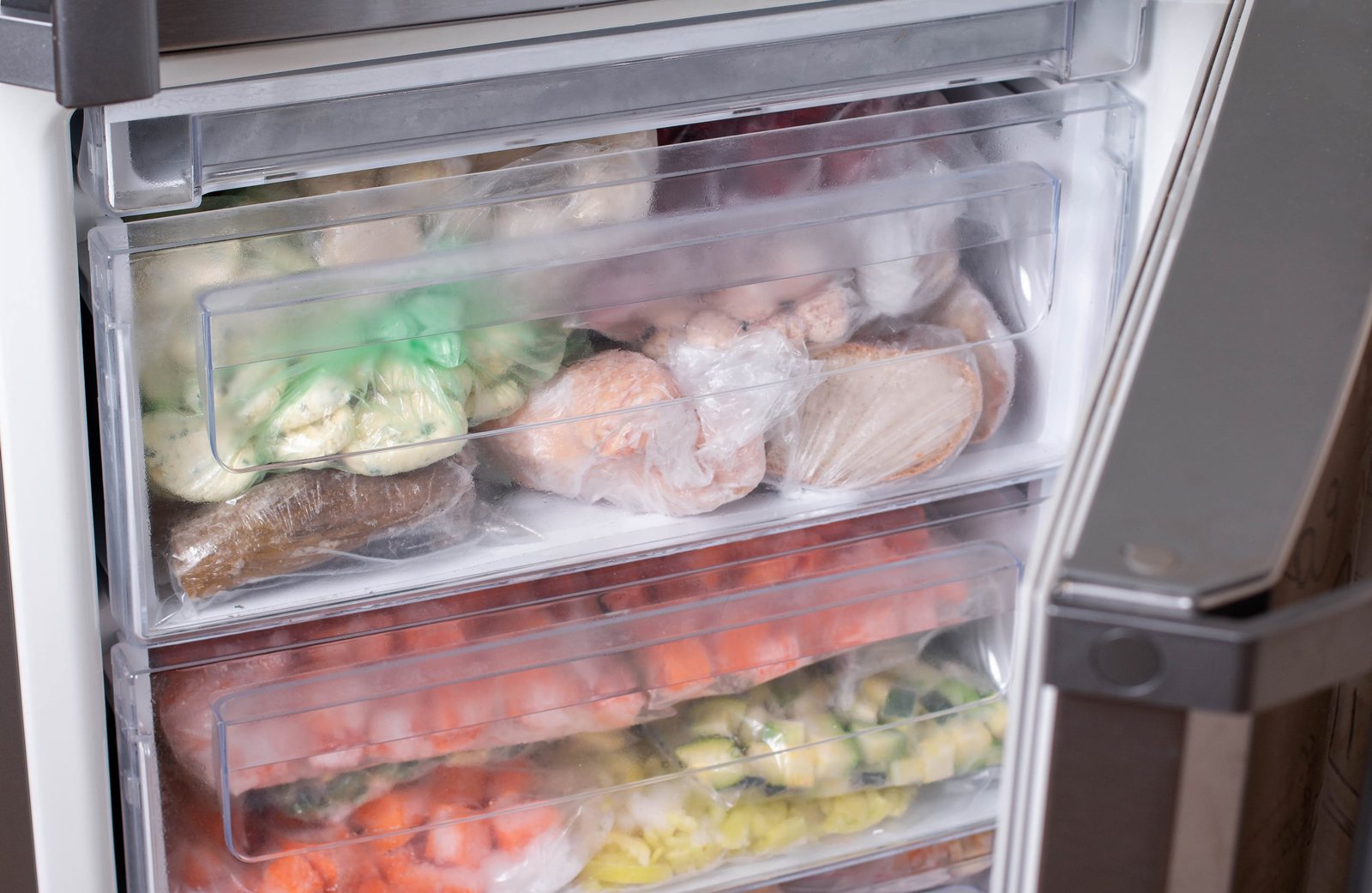
Every time the door swings open, the shelves on it get a blast of warm kitchen air first. The team behind public radio’s The Splendid Table puts it simply: in most freezers the door shelves are the warmest spot, while the back and center stay the coldest. Whirlpool’s own support pages note that a freezer warms when the door is opened often and for long periods, and in a busy house that can be dozens of times a day.
Those small swings matter more than you would think. Food partly softens, refreezes, softens again, and each round pulls a little more moisture out. Texas A&M AgriLife Extension explains that freezer burn happens when water escapes from frozen food and oxygen seeps in, leaving meat dry and discolored, baked goods rough and ice cream grainy. It is the same kind of quiet habit that shows up on lists of kitchen mistakes we are all a little guilty of.
1. Ice cream
This is the big one. Ice cream is basically tiny ice crystals, fat and air held in balance. When the door shelf warms up, the smallest crystals melt, then refreeze onto bigger ones, and the result is that crunchy, icy layer under the lid. Experts who spoke with EatingWell, in a piece syndicated by AOL, put ice cream near the top of their list for exactly this reason. Keep it in the back of the main compartment, and press a piece of plastic wrap onto the surface before you close the lid.
2. Raw meat and poultry
Steaks, chicken breasts and that holiday ham you bought on sale need steady cold. Thawing a little at the edges and refreezing draws out juices, which is why meat stored on the door can cook up drier and tougher. Wrap it tightly, squeeze out the air, and store it flat on a back shelf or bottom drawer. If you like to portion meat into bags, our guide to things you should never store in Ziploc bags is worth a quick look first.
3. Fish and shrimp
Seafood is more delicate than beef or pork, and it shows. Fish fillets go mushy and shrimp turn rubbery when they ride through repeated temperature swings. Store them in the coldest part of the freezer and plan to use them within a few months for the best flavor.
4. Bagged frozen fruits and vegetables
A bag of berries that has softened and refrozen clumps into one solid brick, and the fruit turns soggy when it thaws. Vegetables lose their snap and pick up frost inside the bag. Bag-to-bag stacking on a back shelf, or a couple of cheap bins like the ones in these easy DIY projects around the house, keeps them loose and ready to pour, which is the whole point of buying them.
5. Soups, stews and leftovers
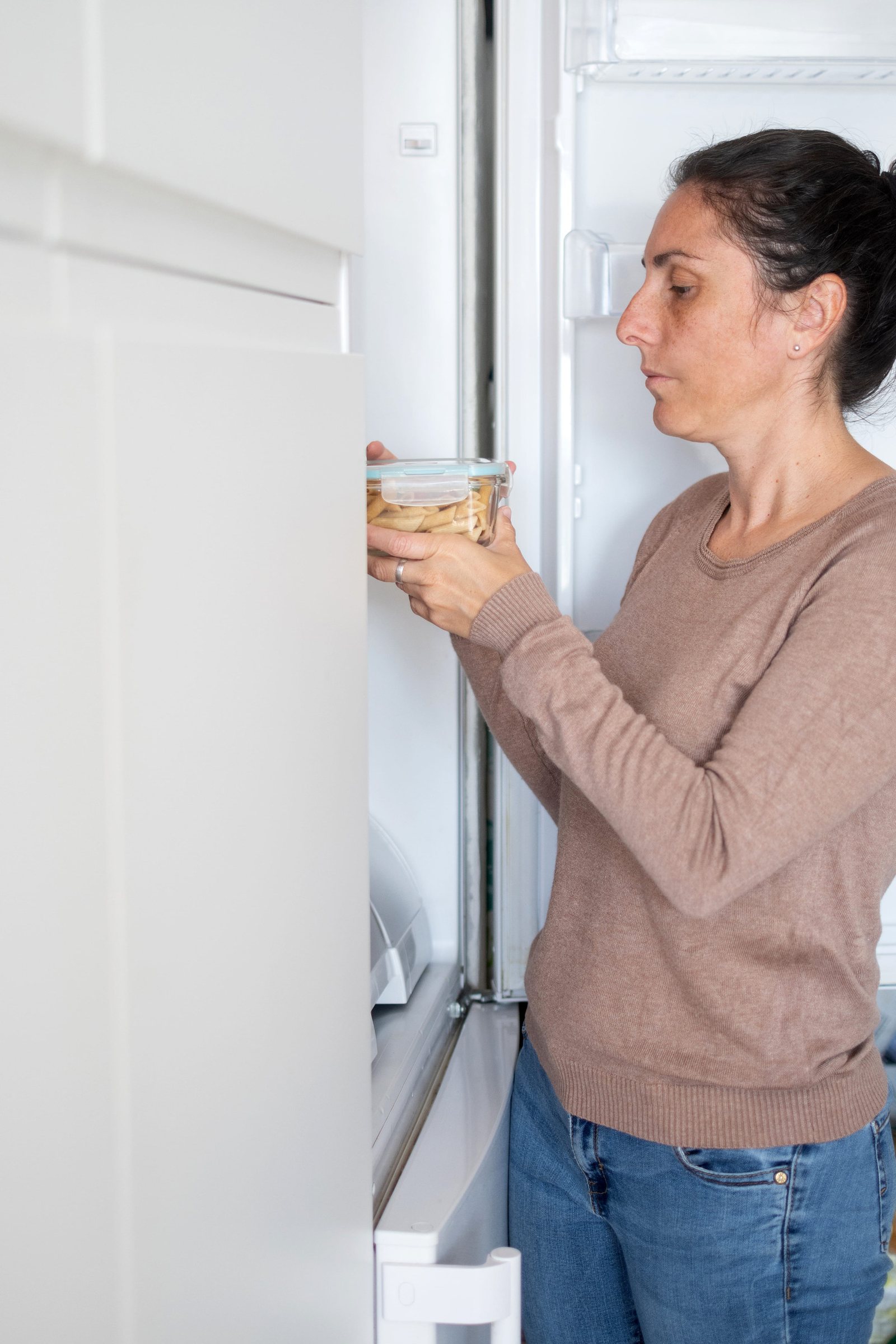
That big pot of chili or the last of the Thanksgiving turkey deserves better than the door. Cooked food that warms and cools over and over gets watery and loses flavor. Freeze leftovers in shallow containers, label them with the date, and slide them to the back, a habit that is right in line with the boomer habits making a comeback in thrifty kitchens. For ideas on what to do with all those turkey containers, see these leftover dishes families look forward to.
6. Pie crust and puff pastry
Flaky pastry depends on cold, separate layers of butter and dough. Let them soften and refreeze a few times and those layers start to merge, so the crust bakes up flat and greasy instead of tall and crisp. With holiday baking around the corner, keep store-bought crusts and homemade dough deep inside, laid flat so they do not crack. A cheap stackable bin keeps them from getting crushed.
7. Whipped topping and frozen pies
Whipped topping, ice cream cakes and frozen cream pies are mostly air and fat. Temperature swings make them weep, shrink and turn icy around the edges. If you are buying them ahead for a holiday dessert table, give them a spot in the back where they will stay firm until serving day.
8. Make-ahead casseroles and cookie dough
Anything you are freezing now to make December easier, such as a breakfast casserole, a tray of stuffed shells or logs of cookie dough, needs to stay rock solid. The door’s ups and downs leave casseroles with freezer burn on top and cookie dough with dry, crumbly edges. Wrap well, label, and store them where the cold is steady.
What can go on the door
The door shelves are perfectly fine for foods you use often and that hold up well, like bread, butter, nuts, frozen juice concentrate and ice packs. The Splendid Table suggests keeping those frequently used items there. For storage times on specific foods, the USDA’s free FoodKeeper app is a handy reference, and it helps to keep your freezer at 0°F or colder.
A little rearranging now means creamier ice cream, juicier roasts and flakier pie crusts all through the holidays. Move the delicate stuff to the back, let the sturdy stuff ride on the door, and your freezer will do a much better job of keeping food tasting the way it should.