Kansas Mother Survives After Doctors Said She Had Just Three Days to Live Following Spider Bites on Camping Trip.
What started as a normal family camping trip quickly became a terrifying fight for survival after a Kansas mother developed life-threatening complications following multiple spider bites. Doctors eventually warned her family that she could have as little as three days to live, but she refused to give up.
For Britagne Miller, a relaxing outdoor getaway with her family at Cheney Lake in Kansas turned into a medical nightmare. The trip tested her strength, her family’s faith and the ability of doctors to keep her alive.
Miller said the trouble began on May 28 while she was camping with her family. During the trip, she noticed several spiders crawling on her body and later discovered multiple bites. At first, the injuries seemed like something she could handle, the kind of problem many people would expect to heal with time.
But within days, the bites became increasingly painful. What appeared to be a minor outdoor injury developed into a serious medical crisis involving blood clots, infections and organ complications.
Miller’s story has drawn attention because her condition changed so quickly. A mother who expected to return home from a family trip instead found herself in a hospital fighting for her life.
A camping trip took a terrifying turn.

Miller initially believed the spider bites were just an unpleasant part of spending time outdoors, but the symptoms that followed were far more serious than she expected.
After returning from the camping trip, Miller noticed one of the bite areas on her leg becoming more painful and swollen. The discomfort continued to increase, eventually becoming severe enough that she sought medical care.
Doctors discovered that the problem went far beyond a typical bite reaction. Miller had developed significant blood clots in her leg, requiring emergency treatment.
According to reports, surgeons removed a large amount of clotted blood from the affected area and inserted a drain to help manage the wound. The procedure was only the beginning of a much longer battle.
Miller already had medical challenges that made the situation more complicated. She had previously been diagnosed with blood clotting disorders during pregnancy, meaning her body had a higher risk of developing dangerous clots. Her medical history also included liver problems and multiple allergies, factors that made treatment more difficult.
As doctors worked to stabilize her condition, Miller’s family watched as a simple camping trip transformed into a life-threatening emergency.
Doctors discovered infections and organ complications.
The biggest danger was not only the spider bites themselves, but the chain reaction of complications that followed. After surgery, Miller’s condition worsened when the wound became infected. Reports stated that doctors identified serious bacterial infections, including staph and gram-negative bacteria.
The infections created another major challenge because Miller’s body was already under extreme stress from the blood clots and previous health conditions.
Doctors feared the infection had progressed into sepsis, a dangerous condition that occurs when the body’s response to an infection begins damaging its own organs.
Sepsis can develop quickly and become deadly without immediate treatment. It can cause dangerously low blood pressure, organ failure, and widespread inflammation throughout the body. For Miller, the infection added another layer of danger to an already critical situation.
Her liver problems also became a major concern. Doctors reportedly warned that her liver function was failing and that her condition had reached a point where her survival was uncertain.
At one point, physicians gave Miller and her family a devastating prediction. They were told she might have only three days to live.
A mother’s fight for survival
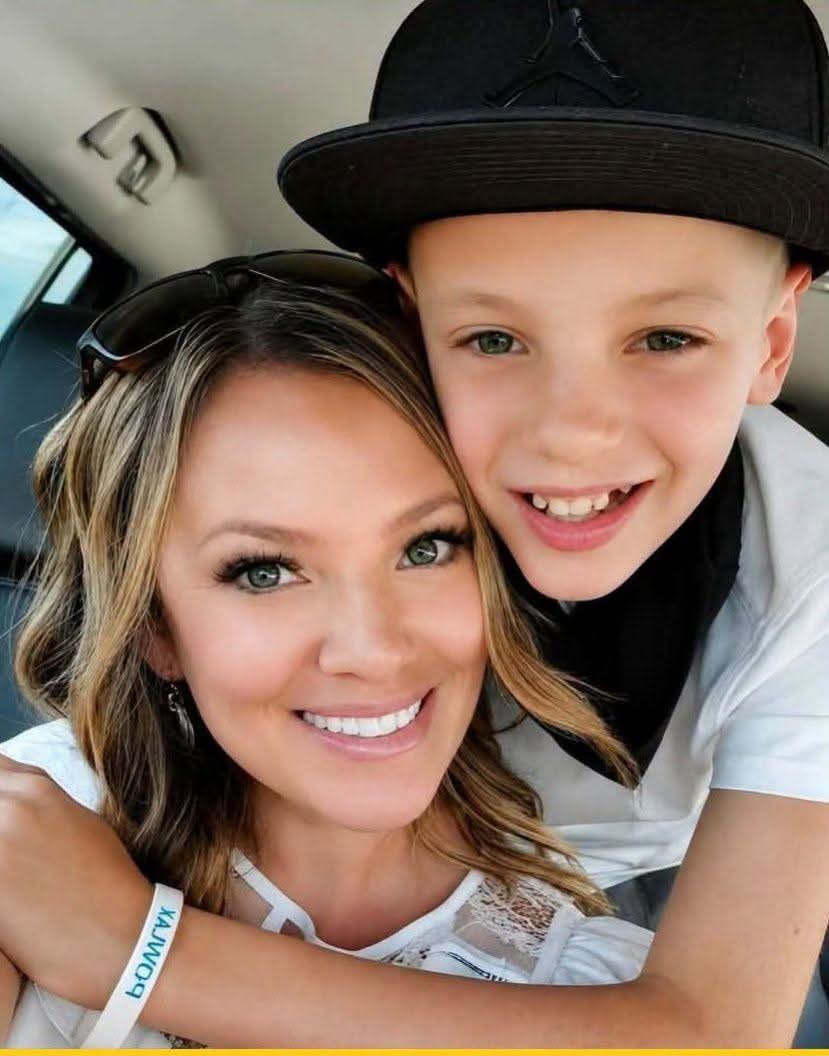
Facing a frightening prognosis, Miller kept fighting while her family prepared for the possibility that she might not survive.
Miller described the moment doctors delivered the news as terrifying. A family that had been focused on a camping trip and spending time together suddenly had to face the possibility of losing a mother and wife.
Doctors continued providing treatment while monitoring her infections, blood clotting problems and liver condition. Miller spent weeks receiving medical care, including time in intensive care. Her recovery required patience because multiple systems in her body had been affected.
Despite the odds, Miller survived.
Her recovery has been slow and continues to require medical monitoring. Doctors are still watching her health closely, especially because of her liver condition and history of blood clotting problems.
The experience also created emotional and financial challenges for her family. Her husband reportedly had to step away from work to help care for Miller and their four children during the medical crisis.
For the family, the situation was not only a battle inside a hospital room but also a major adjustment to everyday life.
Experts say spider bites can be difficult to identify.

Although Miller believes the injuries came from spiders at the campsite, the exact species responsible has not been officially confirmed. Some reports have raised the possibility of a brown recluse spider, a species found in Kansas and several other central states.
However, experts caution that many suspected spider bites are difficult to confirm unless the spider is captured and identified.
Brown recluse spiders can cause serious skin reactions in some cases, including tissue damage and slow-healing wounds. However, most bites do not become life-threatening.
Medical experts say complications often depend on several factors, including the person’s overall health, the location of the bite, and whether infections develop. In Miller’s case, her existing health conditions appear to have played an important role in how severe the situation became.
Her blood clotting disorders increased her risk of dangerous complications, while her liver problems made recovery more challenging.
The case serves as a reminder that even small-looking injuries can require medical attention when symptoms become severe.
Warning signs that should not be ignored
Doctors say worsening pain, spreading swelling and signs of infection after any bite should be taken seriously.
According to medical guidance, people should seek care if a bite causes rapidly increasing pain, severe swelling, spreading redness, warmth around the wound, drainage or symptoms such as fever and weakness.
Outdoor activities, including camping and hiking, can expose people to insects and spiders, but experts say prevention and early attention are important.
Keeping tents and sleeping areas clean, shaking out clothing and shoes before use, and avoiding leaving food or clutter near sleeping areas can help reduce encounters with spiders and other insects.
For Miller, the experience was a reminder of how quickly life can change and how severe the consequences can become.
What began as a family camping adventure became a medical emergency involving surgery, infections and a frightening warning from doctors. But the Kansas mother survived the moment when doctors feared she might not.
Her journey is still continuing, but her survival has become the most important part of a story that started with something many people would have considered minor: a few spider bites during a camping trip.
Britagne Miller went from planning family memories outdoors to fighting for her life in a hospital. Against a devastating prognosis, she survived, showing how quickly a minor injury can become a medical crisis.