8 Grandma Sayings About Cooking That Turned Out to Be True
Every family has a grandmother who ran her kitchen with a set of rules she never explained. “Don’t you dare open that oven.” “Let the roast sit.” “Use cold butter, not warm.” She said them so often that her grandchildren could repeat them in their sleep, usually with a roll of the eyes.
The funny thing is that food science has caught up with Grandma. Many of the sayings that sounded like old wives’ tales have solid reasons behind them, from the chemistry of browning to the way fat melts in a hot oven. She may not have known the science, but she knew what worked after decades of trial and error. Here are eight cooking sayings that grandmothers repeated for generations, and what modern cooks and food scientists now know about why they were right all along.
1. “Let the Meat Rest Before You Cut It”
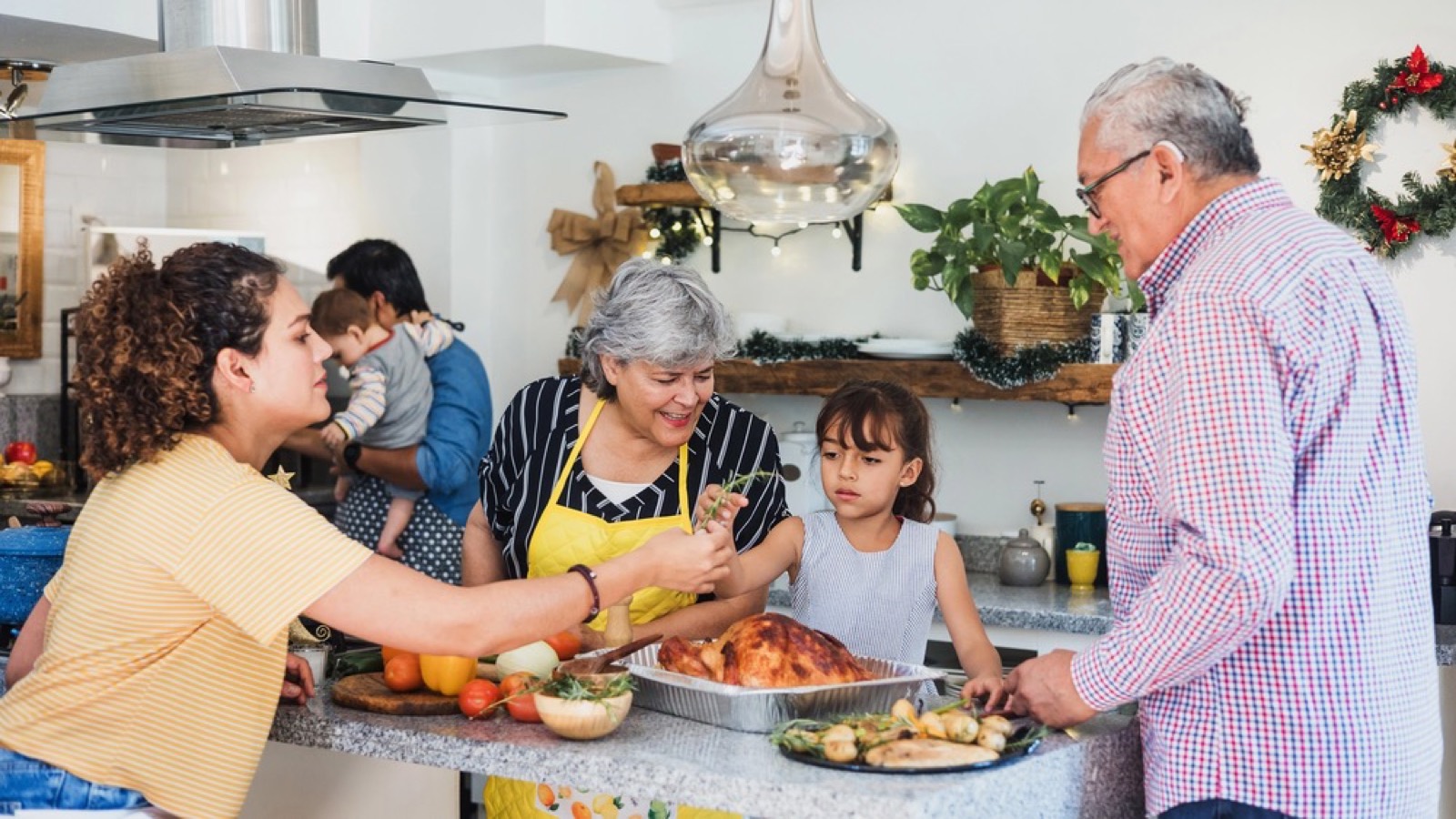
Grandma always made everyone wait while the roast sat on the counter under a tent of foil. It felt like torture to hungry kids, but she had a point. When meat cooks, its juices are pushed toward the center. Letting it rest gives the meat time to relax so fewer juices run out onto the cutting board when you slice it.
Resting also matters for safety. The USDA’s safe temperature chart calls for a three-minute rest for steaks, chops, and roasts of beef, pork, veal, and lamb after they reach a safe temperature, because the meat keeps cooking a little during that time.
2. “Don’t Crowd the Pan”
Grandma browned her meat in batches, even when it took longer. If you pile too many pieces into a skillet, they release moisture and steam instead of searing. You end up with gray, soggy meat instead of a crusty, golden outside.
That golden crust comes from the Maillard reaction, a chemical change that happens when proteins and sugars meet high heat. It is what gives browned meat its rich, savory flavor. Cooks today still swear by the same rule Grandma followed: give each piece some room.
3. “Keep the Butter Cold for Biscuits and Pie Crust”
Grandmothers who made the flakiest biscuits often kept their butter or lard in the icebox until the last minute. Some even chilled their mixing bowls. It sounded fussy, but it was the secret to tender, flaky layers.
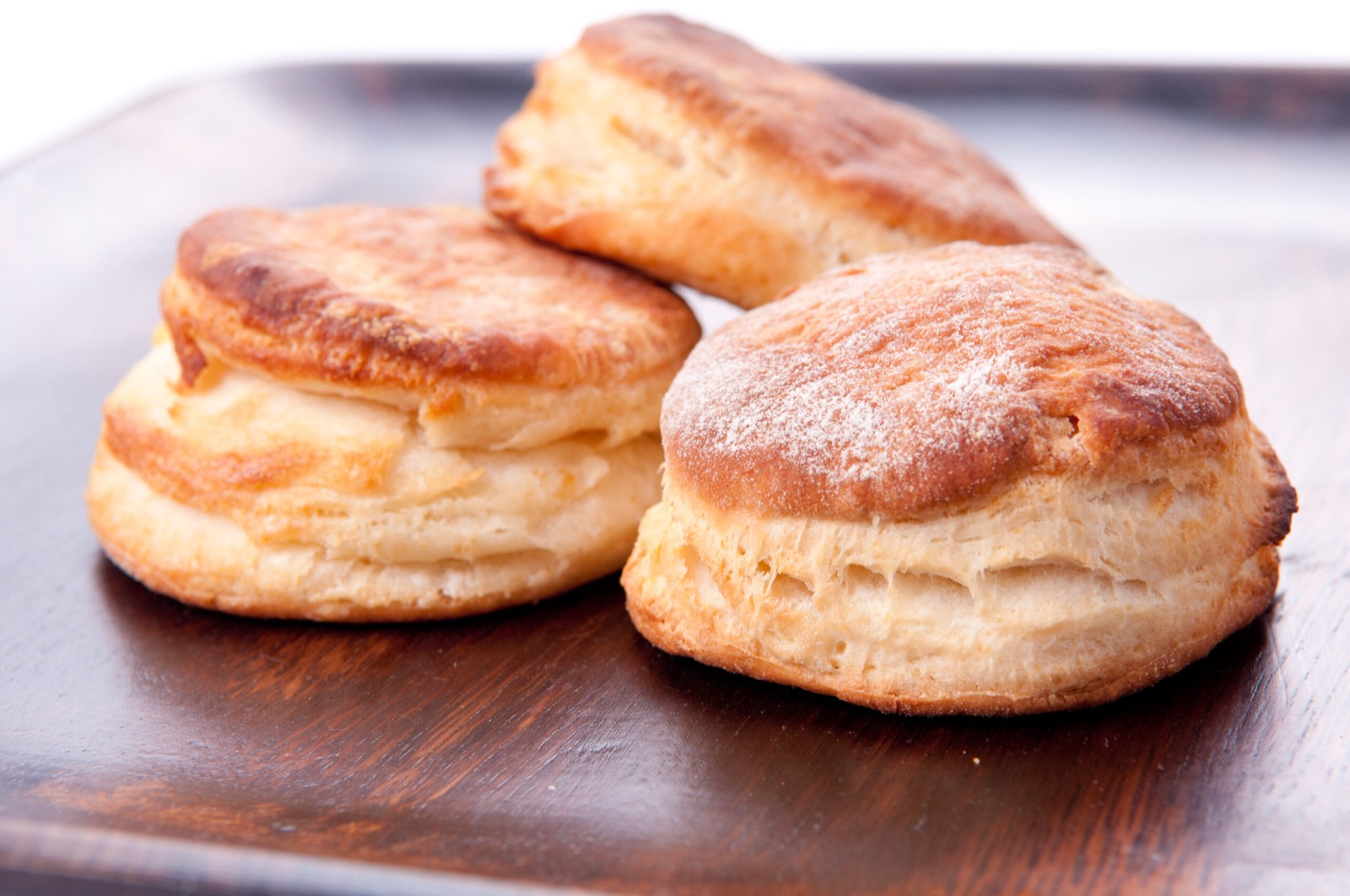
When cold bits of fat hit a hot oven, they melt and release steam, which puffs up the dough and creates pockets of flaky layers. If the fat is warm, it blends into the flour and makes the dough tough and dense. Modern bakers still freeze or chill their butter for the same reason.
4. “Let the Eggs Sit Out Before Baking”
Grandma often set her eggs on the counter for a while before she made a cake. Many younger cooks skip this step, but it makes a difference. Room-temperature eggs blend more easily into butter and sugar, creating a smooth batter that traps air.
Cold eggs can make creamed butter seize up and look curdled, which leads to a denser cake. Many test kitchens recommend letting eggs sit out for about 30 minutes, or placing them in a bowl of warm water for a few minutes if you are in a hurry. Food safety experts advise not leaving eggs out for more than two hours.
5. “A Pinch of Salt Makes It Sweeter”
Grandma added a pinch of salt to nearly everything she baked, from cookies to pies to fudge. Younger cooks sometimes thought it was a mistake, but it was one of her best tricks. Salt doesn’t make desserts taste salty when used in small amounts.
Instead, salt helps balance sweetness and brings out other flavors, such as chocolate, vanilla, and caramel. It can also tame bitterness. That is why so many modern bakers sprinkle flaky salt on top of cookies and why salted caramel has become so popular.
6. “Don’t Keep Opening That Oven Door”
Few things made Grandma angrier than someone peeking at the cake while it baked. She had good reason. Every time you open the oven door, a lot of hot air escapes, and the oven temperature can drop sharply.
That sudden drop can cause cakes and soufflés to sink and can add time to roasting. Many ovens take a few minutes to recover their heat. That’s why bakers today recommend using the oven light and window to check on food instead of opening the door.
7. “Never Soak Your Cast Iron”
Grandma’s cast-iron skillet was her prized possession, and she guarded it closely. She wiped it out, rinsed it quickly, dried it on the stove, and rubbed it with a little oil. Soaking it in the sink was strictly forbidden.
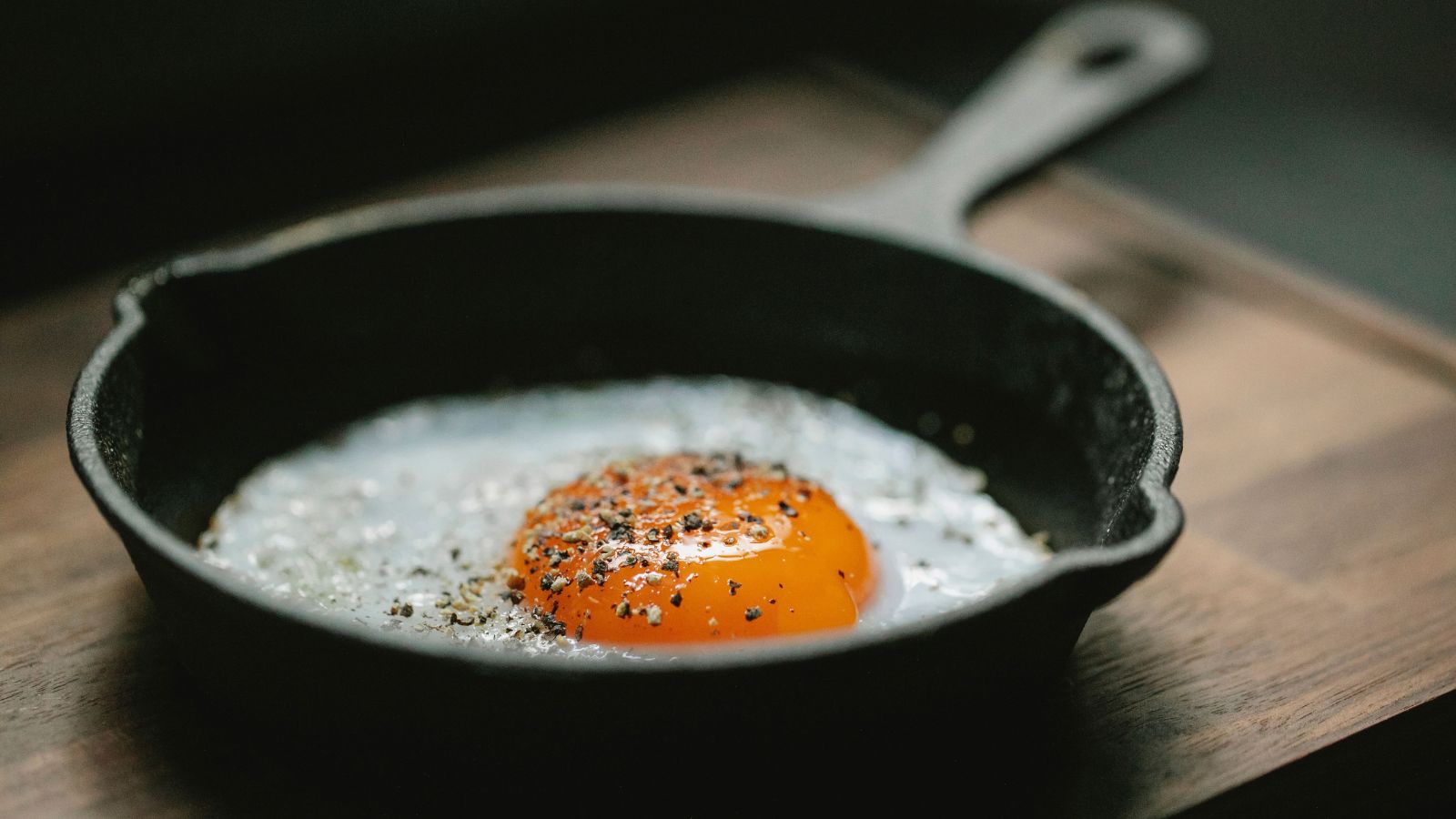
She was right. Cast iron can rust when it sits in water, and the seasoning, a layer of oil baked onto the metal, is what makes the skillet naturally nonstick. Each time you cook with fat, the seasoning gets better. That’s why some families still cook with skillets that have been passed down for generations.
8. “Squeeze a Little Lemon on the Apples”
When Grandma sliced apples for pies or salads, she often tossed them with a squeeze of lemon juice. She knew that it kept the apples from turning brown while she worked on the rest of the recipe.
Apples brown because of a reaction between an enzyme in the fruit and oxygen in the air. The acid and vitamin C in lemon juice slow that reaction. Food scientists still recommend the same trick, and it works for pears, avocados, and bananas too.
Why Grandma’s Wisdom Lasted
Grandmothers didn’t have food blogs or cooking shows. They learned from their own mothers and from years of cooking for big families. If something didn’t work, they figured out why and changed it.
Many of those lessons were never written down, which is why so many families treasure the sayings their grandmothers repeated. They sit right alongside the kitchen staples grandmothers kept within arm’s reach, from the salt cellar to the lard can.
Passing It On
Today, many of these sayings are being rediscovered by younger cooks who are learning to make food from scratch. The same tricks show up in modern cookbooks and online videos, often with the science explained. It turns out that old-fashioned cooking wisdom still holds up.
If you want to pass on Grandma’s knowledge, the best way is to cook with your children and grandchildren. Teach them the sayings, and tell them why they work, along with a few of your own clever kitchen tricks. Someday, they’ll be repeating them to their own families.
Which cooking saying did your grandmother repeat most often, and did it turn out to be true? Many readers say the oven door rule is the one they still hear in their heads.