8 Kinds of Milk and Cream That Have Vanished From Dairy Cases
Walk down the dairy aisle today and you’ll find whole, 2 percent, skim, lactose-free, oat, almond and a dozen other choices. It seems like there’s more variety than ever. Yet people who grew up in the 1950s and 1960s remember milk and cream products that have quietly faded from most stores, along with the milkman who once brought them right to the door.
Some of these products disappeared because of new laws, new technology or changing tastes. Others simply lost out to cheaper, longer-lasting options that were easier for big dairies to produce. Here are eight kinds of milk and cream that were once common and are now hard to find in a typical grocery store.
1. Cream-Top Milk
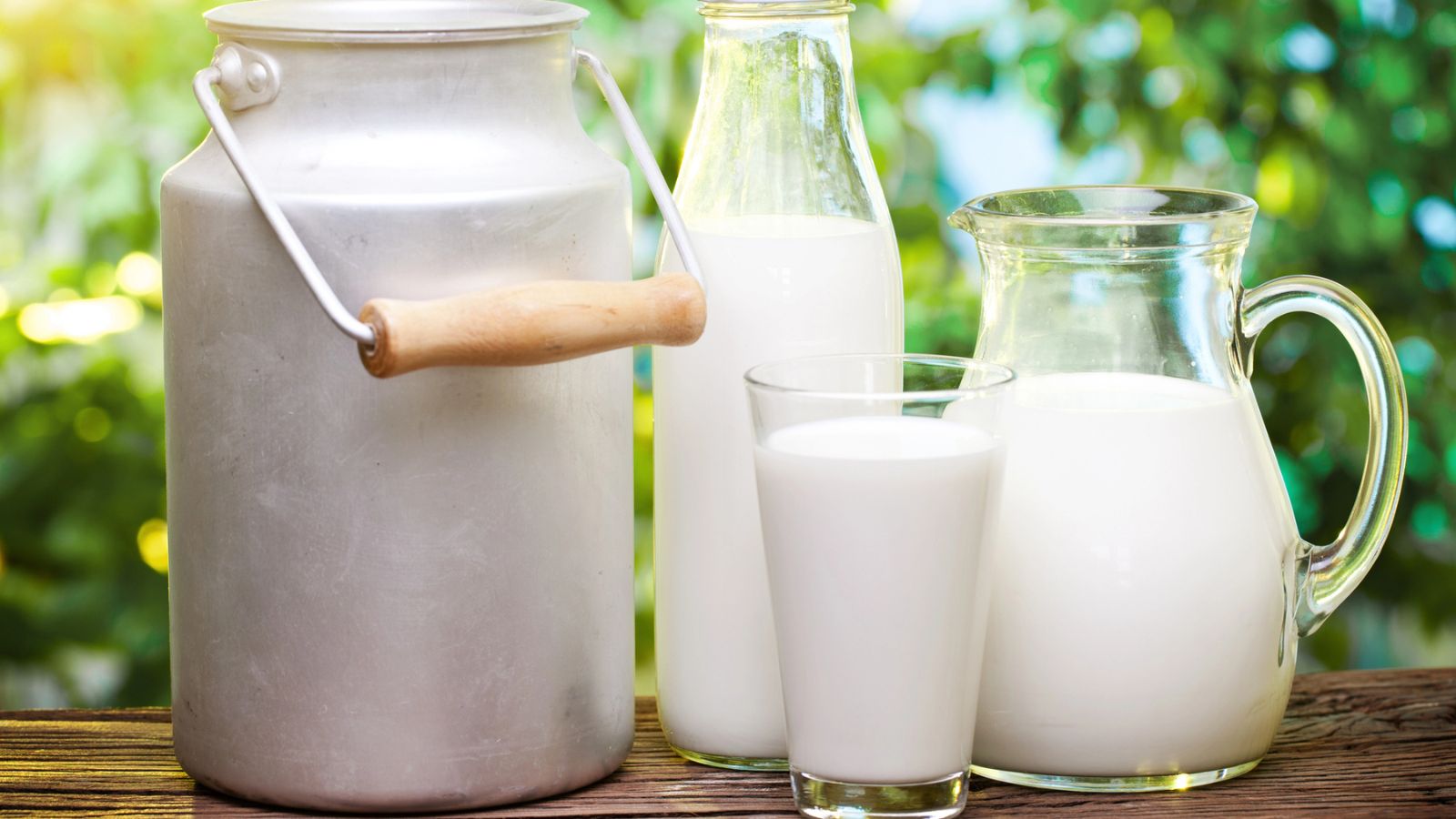
Before homogenization became standard, milk separated naturally, and a thick layer of cream rose to the top of the bottle. Families often fought over who got that first rich pour, or Mom skimmed it off for coffee or baking. In cold weather, the cream sometimes froze and pushed the paper cap right off the bottle.
Homogenization breaks up the fat so it stays mixed throughout the milk, and it became the norm in the mid-20th century. Most milk sold today is homogenized, so the cream line is gone. A few small dairies still sell cream-top milk, but it’s usually found in specialty stores or at farmers markets.
2. Milk Delivered in Glass Bottles
For generations, the milkman delivered fresh milk in glass bottles to doorsteps across the country. Families left the empty bottles out with a note listing what they needed, and fresh ones appeared before breakfast. Many homes had a small insulated box on the porch to keep the bottles cold.
As refrigerators improved, supermarkets spread and families moved to the suburbs, home delivery steadily declined. Paper cartons and plastic jugs replaced glass in most stores. Today, glass-bottle milk is a nostalgic specialty item, and a few local dairies have even revived home delivery.
3. Light Cream
Light cream, sometimes called table cream or coffee cream, was a staple in many refrigerators. It was richer than half-and-half but lighter than whipping cream, and people poured it over berries, oatmeal and pie. Many families used it every morning in their coffee.
Today, most shoppers choose between half-and-half and heavy cream, and light cream is much harder to find. Some regional dairies still make it, especially in New England. Many younger cooks have never seen it on a shelf.
4. Sweet Acidophilus Milk
In the 1970s and 1980s, sweet acidophilus milk was a fixture in many dairy cases. It was regular milk with added bacterial cultures, advertised as a different kind of milk without the sour taste of buttermilk. Some families bought it regularly, and it often came in cartons with a distinctive label.
As yogurt and other cultured products became more popular, acidophilus milk faded from most stores. You can still find it in some regions, but it’s no longer a common sight. Many people who drank it as kids are surprised to learn it’s mostly gone.
5. Real Churned Buttermilk
Old-fashioned buttermilk was the liquid left over after churning butter. It was thin, slightly tangy and dotted with tiny flecks of butter. Grandmothers used it for biscuits, pancakes and cornbread, and some people drank it straight from a glass.
Most buttermilk sold today is cultured buttermilk, made by adding bacteria to low-fat milk. It’s thicker and tangier than the traditional kind. True churned buttermilk is now mostly found at small farms or made at home by people who still churn their own butter.
6. Filled Milk Like Milnot
Milnot was a canned milk product made by blending skim milk with vegetable oil instead of butterfat. It was cheaper than evaporated milk and popular for cooking and baking in parts of the Midwest. Some families even whipped it into a light topping for desserts.
Products like this had a complicated history. A federal law passed in 1923, the Filled Milk Act, restricted the interstate sale of milk products blended with other fats, and the law was challenged in court for decades. Milnot survived and is still sold in some areas, but it has become a regional curiosity most shoppers have never heard of.
7. Clabber
Clabber is raw milk that has been left to sour and thicken naturally. It was common on farms before refrigeration, especially in the South, where people ate it with sugar, cinnamon or cornbread. Cooks also used it in baking, much like buttermilk.
Because clabber depends on raw milk, it became rare as pasteurized milk took over. Most milk sold in stores today won’t clabber the same way. For many older Southerners, though, the word alone brings back memories of a grandmother’s kitchen.
8. Powdered Milk in the Family Pantry
Instant nonfat dry milk was a pantry staple for many families in the 1950s, 1960s and 1970s. It was cheap, lasted for months and could be mixed with water whenever the fresh milk ran out. Some mothers secretly mixed it with regular milk to make the gallon last longer.
Kids who grew up drinking it usually remember the flavor, and not always fondly. Powdered milk is still sold today, but far fewer households buy it for everyday drinking. It’s now mostly used for baking, emergency kits and camping.
Where to Find Them Today
Shoppers who miss these products may still be able to find some of them. Farmers markets, small local dairies and specialty grocery stores are the best places to look for cream-top milk, glass bottles and real buttermilk. Some regional brands also sell light cream and other hard-to-find products.
Why These Products Disappeared
The dairy aisle changed for many reasons. Homogenization, refrigeration and supermarket chains made long-lasting, uniform milk easier and cheaper to sell. Many small local dairies closed or were bought by larger companies, and their specialty products went with them.
Tastes changed too. Families started buying fewer heavy cream products and more low-fat options, and plant-based milks took up more and more shelf space. Some of the old products survive in small batches, but they’re no longer part of most families’ weekly grocery list.
If you remember any of these, you’re part of a generation that saw the dairy case transform. Many of the 1960s grocery items that vanished tell a similar story. Next time you pass the milk cooler, it’s worth remembering what used to sit on those shelves.