8 Restaurant Chains Families Went to for Sunday Lunch After Church
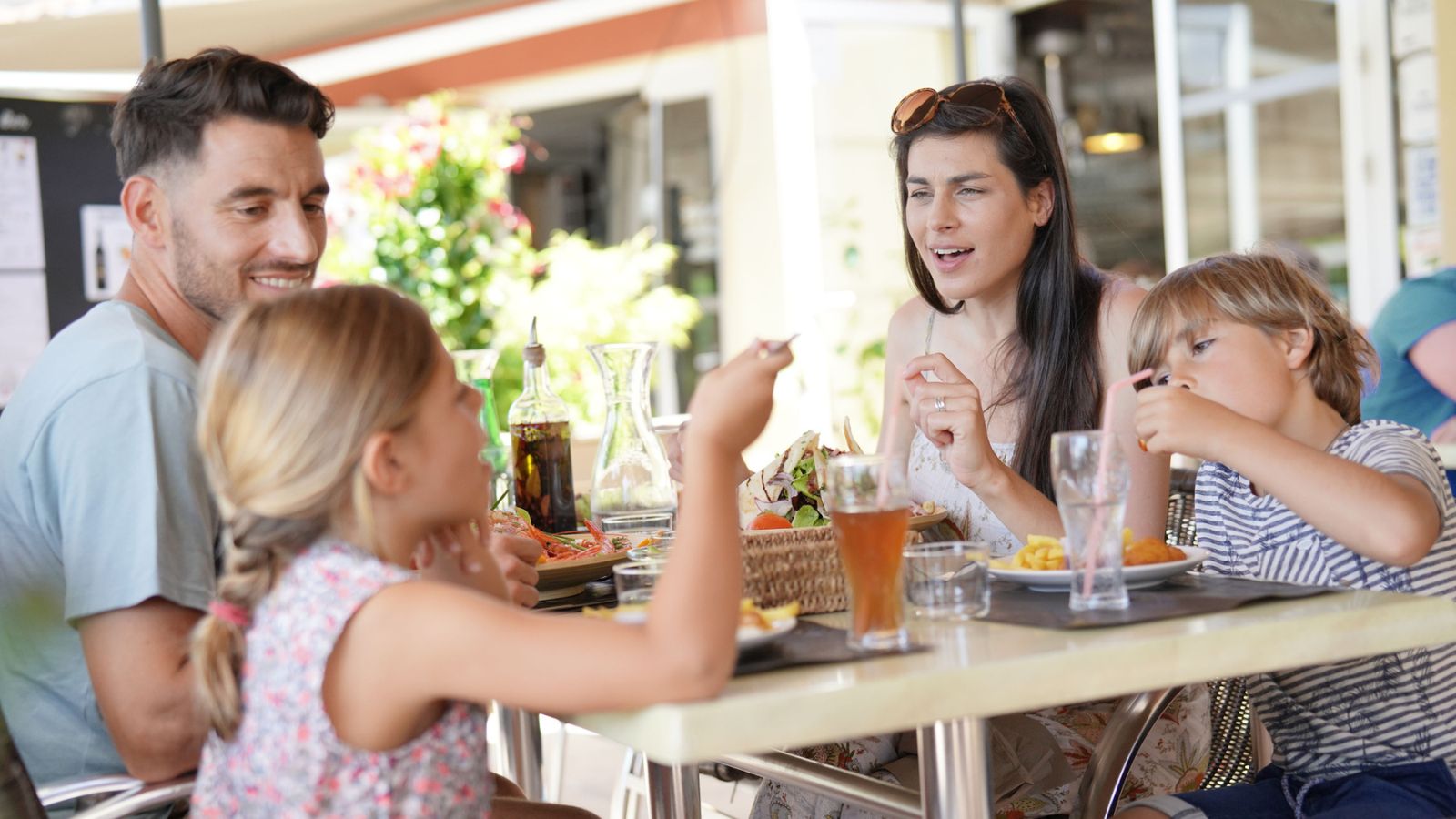
For millions of American families, Sunday had a set routine. You put on your best clothes, sat through the sermon, shook the pastor’s hand on the way out and then piled into the car for the most anticipated part of the day: Sunday lunch at a restaurant.
The race to beat the other churches to the restaurant was a real thing. Whoever got out of service first got the best tables and the shortest lines, which is why many families still joke about Baptists and Methodists sprinting to the parking lot. Once inside, there was fried chicken, roast beef, mashed potatoes and, if you behaved, a slice of pie.
Some of these chains are still around, while others have shrunk or vanished from many towns. If you grew up going to lunch after church, here are eight restaurants that might bring back memories of Sunday dresses, clip-on ties and a full plate.
1. Piccadilly Cafeteria
Few places were as closely tied to Sunday lunch in the South as Piccadilly. Founded in Baton Rouge, Louisiana, in 1944, the Piccadilly chain grew into one of the best-known cafeterias in the region. Families would grab a tray and slide it down the line past fried fish, baked chicken, carrot soufflé and every kind of pie.
The cafeteria setup was perfect for families. Kids could point at exactly what they wanted, grandparents could pick something soft and familiar, and nobody had to wait for a server. Piccadilly has fewer locations than it once did, but it remains a beloved name for many Southern families.
2. Luby’s
In Texas, Sunday lunch often meant Luby’s. Bob Luby opened his first cafeteria in San Antonio in 1947, and the chain became a Texas institution. Its famous LuAnn Platter, a smaller portion of an entrée with two sides and a roll, was a favorite of churchgoers and retirees alike.
Luby’s went through big changes in the 2020s, when the company sold off many of its restaurants and properties. Some locations still operate, but many Texans now drive past empty buildings where they once ate fried fish and mac and cheese after church.
3. Morrison’s Cafeteria
Morrison’s was a cafeteria chain born in Mobile, Alabama, in 1920, and it spread across the Southeast over the following decades. It was known for clean, bright dining rooms, generous portions and classic Southern dishes like fried chicken, turnip greens and cornbread.
For many families, Morrison’s felt dressed-up enough for a Sunday outing without being too fancy for the kids. The brand was eventually folded into Piccadilly in the late 1990s, and the Morrison’s name faded from most towns. People who ate there still remember the trays, the long lines and the desserts.
4. K&W Cafeteria
In North Carolina and nearby states, K&W Cafeteria was the place to be after church. The family-run chain started in Winston-Salem in 1937 and built a loyal following with dishes like baked chicken, fried okra, squash casserole and its famous banana pudding.
Many K&W regulars ate there every single Sunday, often at the same table. The chain went through financial trouble during the pandemic and was later acquired by Piccadilly. Several locations closed, which left plenty of longtime customers feeling like they’d lost a family tradition.
5. Shoney’s
Shoney’s was a Sunday favorite for families who wanted something a little more relaxed than a cafeteria. Its breakfast bar and all-you-can-eat soup, salad and fruit bar were a hit with big families, and its strawberry pie became famous in its own right.
Shoney’s began in the 1940s as a Big Boy franchise and grew into its own chain across the South and Midwest. It once had hundreds of locations, but it has shrunk considerably over the decades. In many towns, the Shoney’s sign is now just a memory from a road trip or a Sunday afternoon.
6. Bob Evans
Bob Evans started as a farm-sausage business in Ohio and opened its first restaurant there in 1962. The chain’s country-style menu of biscuits, sausage gravy, pot roast and mashed potatoes made it a natural choice for families coming straight from church.
Bob Evans restaurants spread across the Midwest and beyond, and many families had a favorite booth near the window. The chain still operates hundreds of locations, and its Sunday crowds are a reminder of how deeply the after-church lunch is woven into American life.
7. Cracker Barrel
When Dan Evins opened the first Cracker Barrel in Lebanon, Tennessee, in 1969, he set out to create a country store and restaurant along the highway. It quickly became a favorite of travelers, but it also became a Sunday tradition for local families.
The rocking chairs out front, the peg game on every table and the old-fashioned candy in the store made it fun for kids. Grown-ups came for the chicken and dumplings, meatloaf and biscuits. Cracker Barrel remains one of the busiest places in many towns on Sunday afternoons.
8. Golden Corral
Golden Corral opened its first restaurant in Fayetteville, North Carolina, in 1973, and its all-you-can-eat buffet made it a hit with large families and church groups. For a set price, everyone could fill their plates as many times as they liked, from fried chicken to the chocolate fountain.
After-church crowds have long been a big part of Golden Corral’s Sunday business. Many families say it was the only place where Grandpa, the toddlers and the picky teenager could all find something to eat. The chain is still operating, though it has fewer locations than in its peak years.
The Great After-Church Race
Anyone who grew up going out for Sunday lunch remembers the scramble. If the sermon ran long, families knew they’d be standing in a line that wrapped out the door. Some churches even became known in town for letting out early, and their members were the first ones in line at the cafeteria.
Restaurant workers knew the rhythm, too. The Sunday noon rush was often the busiest hour of the week, with families in their church clothes filling every table. Many servers and cooks still tell stories about the after-church crowd, from big tippers to the regulars who insisted on the same booth every week.
Why the Sunday Lunch Tradition Mattered
These restaurants weren’t just about food. Sunday lunch was a chance for families to sit together, talk about the week and catch up with friends from church who showed up at the next table. For many people, it was the one meal of the week that felt like a small celebration.
Today, fewer families follow that routine, and some of these chains have shrunk or closed entirely. But the memories remain. Where did your family go for lunch after church? And what was the dish you always ordered?