8 Restaurant Etiquette Rules Older Diners Still Follow
Restaurants have become far more casual over the years. Dress codes have loosened, phones sit on nearly every table and many people order at a counter rather than from a server. Yet many older diners still follow the restaurant manners they learned decades ago, and they notice when others do not.
These rules were taught at home, at school and sometimes by watching parents and grandparents at the dinner table. For older generations, good manners were a sign of respect for the restaurant, the staff and the people sharing the meal. Here are some restaurant etiquette rules older diners still follow, and why they believe these habits still matter today.
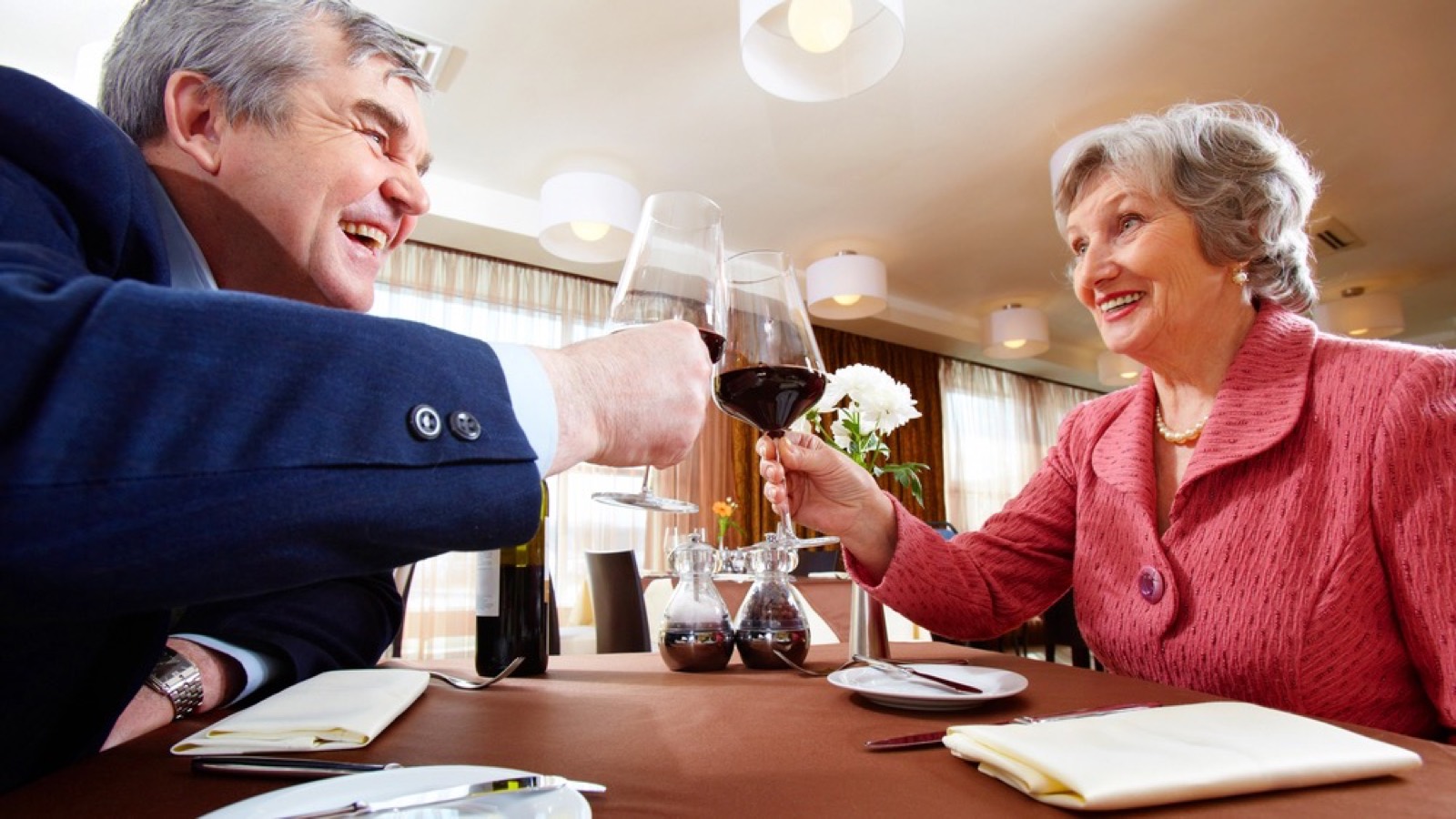
1. Napkin on the Lap Right Away
One of the first things older diners do when they sit down is place their napkin on their lap. This simple habit was taught early, and many still do it automatically. The napkin stays on the lap throughout the meal and is placed neatly on the chair if they need to step away.
When the meal is over, the napkin is placed loosely to the left of the plate. Older diners often notice when younger people leave napkins on the table or use them only at the end of the meal. To them, the napkin is a small but important part of good table manners, one of many rules taught in classic etiquette guides.
2. Waiting Until Everyone Is Served
Many older diners still wait until everyone at the table has been served before they begin eating. Starting before others was considered rude, especially at family meals and formal dinners. The host or the oldest person at the table often signaled when it was time to begin.
In more casual settings, some people now start eating as soon as their food arrives, especially if others encourage them to go ahead. Still, older diners often prefer to wait. They see it as a sign of respect and togetherness, making the meal feel like a shared experience.
3. Keeping Phones Off the Table
Older diners often keep their phones in a pocket or purse during meals. They believe that a meal is a time for conversation and connection, not for checking messages or scrolling social media. Placing a phone on the table can feel like a signal that something else is more important.
Many older adults notice when younger diners spend much of a meal looking at their phones. Some find it frustrating, especially when they are sharing a meal with family. For them, giving full attention to the people at the table is one of the most important forms of respect.
4. Being Polite to Servers
Treating servers with respect has always been an important part of restaurant etiquette for older generations. They say please and thank you, make eye contact and avoid snapping fingers or waving to get attention. Many also learn and use their server’s name.
Older diners often say that how someone treats a server says a lot about their character. They believe that kindness to restaurant staff is a basic sign of good manners. This rule remains widely respected across generations, though older diners are often especially careful to follow it. Frenzhub’s list of red flags when dining out touches on many of the same issues.
5. Not Talking With Food in the Mouth
This is one of the first table manners many children learned, and older diners still follow it carefully. They take small bites so they can answer questions without a full mouth. They wait to finish chewing before joining the conversation.
While this rule is widely known, older diners often notice when others ignore it. They believe that eating politely makes the meal more pleasant for everyone at the table. It is a simple habit that shows consideration for others.
6. Tipping Fairly and in Person
Older diners often take tipping seriously. Many leave cash tips on the table or hand them directly to the server. They believe that good service deserves a fair reward and that servers depend on tips for a large part of their income.
While tipping amounts have changed over the years, many older diners make sure to tip appropriately. Some prefer to tip in cash so the server receives the money directly. They often say that tipping well is part of showing appreciation for hard work. Debates about tipping have grown louder in recent years, but older diners usually stick with their habits.
7. Dressing Neatly
Many older diners still dress neatly when they go out to eat, even at casual restaurants. They might wear a collared shirt, a nice blouse or clean, pressed pants. Dressing up shows respect for the restaurant and the occasion.
While jeans and casual clothes are now common in most restaurants, older diners often prefer to look presentable. Some remember a time when men wore jackets and ties to dinner, and women wore dresses. Even if the standards have relaxed, they still enjoy making an effort when dining out.
8. Keeping Voices Low
Older diners often speak quietly in restaurants, keeping conversations at a level that does not disturb other tables. Loud talking, shouting across the room or playing videos on speaker are considered rude. Restaurants are shared spaces, and older diners believe everyone deserves a pleasant meal.
Many older adults notice how noisy some restaurants have become. While some of that comes from music and open designs, they also notice louder conversations and phone calls. For them, keeping voices low is a simple way to respect others.
Why These Rules Still Matter
Restaurant etiquette may seem old-fashioned to some, but older diners believe these rules still have value. Good manners make dining out more enjoyable for everyone, from fellow diners to restaurant staff. They create a sense of respect and consideration in shared spaces.
Many of these habits are simple and easy to follow. Placing a napkin on your lap, being kind to servers and putting your phone away are small actions that can make a big difference. Older generations hope that these customs will continue to be passed down to children and grandchildren.
Manners Across Generations
Every generation has its own ideas about manners and etiquette. Younger diners may have different expectations, especially in casual restaurants. Still, many of the basic principles of good manners remain the same across generations.
Older diners often say they appreciate it when younger people show good manners at the table. It is a reminder that respect and kindness never go out of style. Whether dining at a fancy restaurant or a local diner, these simple etiquette rules can help make every meal a pleasant experience.