8 Restaurant Tricks Customers Rarely Notice
Eating out seems simple, yet most diners rarely realize how carefully restaurants plan every detail to influence spending. From menu layouts to lighting, every choice is designed to guide behavior and maximize profit.
Recognizing these hidden strategies helps customers enjoy meals fully without overspending. Here are eight restaurant tricks most people never notice, explained in detail so you can spot them next time.
Menu Push Certain Dishes

Menus are carefully crafted to direct attention toward high-profit items. Restaurants place these dishes in spots your eyes naturally go to first, like the top-right corner or highlighted boxes. Descriptive words such as “crispy,” “succulent,” or “handcrafted” create emotional appeal, making these options feel irresistible.
The menu also uses layout tricks, grouping items in ways that make expensive options seem reasonable. Many diners skim without noticing, thinking they’re making independent choices. By focusing on presentation and phrasing, restaurants subtly nudge customers toward the most profitable dishes while making other choices feel less appealing.
Plates Look Bigger Than They Are
Portions are designed to create a sense of value, even when the quantity is modest. Large plates with small portions make the meal look generous, encouraging diners to order extra sides or drinks to feel fully satisfied. Some restaurants even intentionally serve food with empty space around it to exaggerate the impression of abundance.
Smaller plates can also create a sense of luxury or exclusivity for certain high-priced items. This visual trick manipulates perception so diners feel they’re getting more than they actually are. The strategy increases total spending while leaving you feeling content with the meal.
Prices Are Designed to Feel Cheap
Restaurants use psychological pricing to influence decisions. Dollar signs are often removed or minimized to reduce the mental “shock” of spending. Numbers ending in .95 or .99 make items appear more affordable even when the difference is minimal.
High-priced items are often placed next to mid-range dishes to make the latter appear like the smarter deal. This subtle comparison steers customers toward options that balance satisfaction and profitability for the restaurant. Without realizing it, diners are guided to spend more than they initially intended.
Lighting and Music Affect Appetite
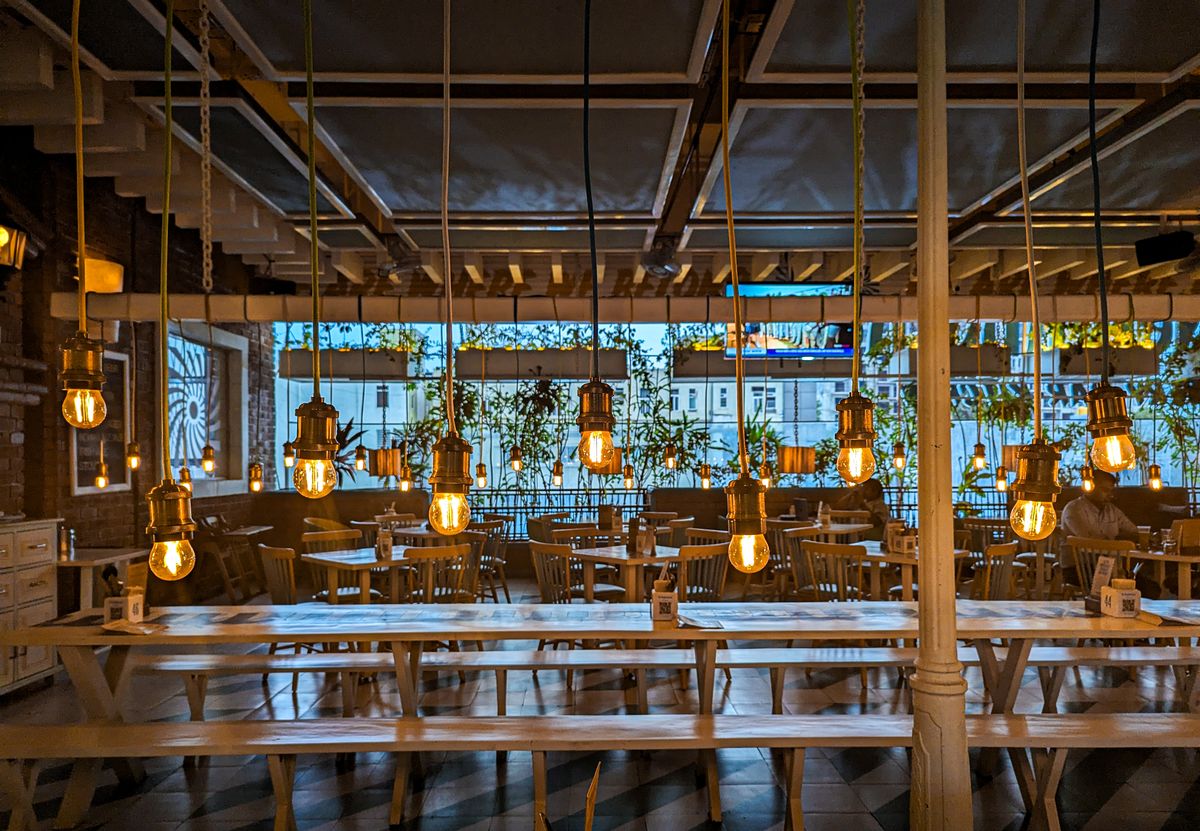
Restaurants carefully design their ambiance to influence how long you stay and how much you order. Warm, soft lighting creates a sense of comfort, while background music slows your pace, making you linger and potentially order more. Fast or loud music, in contrast, can encourage quicker turnover while still prompting additional small purchases.
Seating arrangements also play a role. Booths create a sense of privacy and indulgence, encouraging diners to relax and enjoy extras like drinks and desserts. These environmental cues operate subconsciously, shaping decisions in ways most diners do not recognize.
Servers Suggest Extra Items
Waitstaff are trained to subtly increase your bill through recommendations. Phrases like “our most popular dish” or “a customer favorite” highlight profitable items without making the suggestion feel like a sales pitch. Servers also guide customers toward appetizers, drinks, and desserts in a natural, conversational way.
Even body language, tone, and enthusiasm influence choices, encouraging diners to add more items than planned. These strategies rely on psychology rather than pressure, making customers feel they are making independent choices when, in reality, they are being steered toward higher-profit options.
Drinks Make the Most Profit

Beverages are among the most profitable items on the menu. Cocktail menus highlight premium drinks with appealing descriptions and images, increasing the likelihood of selection. Even soft drinks and bottled water are strategically priced to add profit while appearing low-cost to diners.
Restaurants often pair drinks with meals or desserts to increase total spending without it feeling forced. Customers tend to focus on main courses, overlooking how much beverages contribute to the total bill. Understanding this tactic helps diners evaluate actual costs and choose drinks more deliberately.
Specials Make You Spend More
Limited-time offers and daily specials create urgency. Words like “seasonal,” “exclusive,” or “chef’s choice” make items appear unique and desirable. This encourages diners to order impulsively, often selecting higher-priced or premium dishes they might otherwise skip.
By highlighting these specials on the menu or through verbal recommendations, restaurants take advantage of FOMO, or fear of missing out. This tactic subtly pressures diners into spending more than they planned while giving the impression of getting a rare or exclusive deal.
Desserts Encourage Impulse Orders

Desserts are carefully positioned and described to maximize temptation. Phrases like “decadent chocolate mousse” or “creamy caramel delight” trigger cravings even after a full meal. Servers often suggest pairing desserts with beverages, further increasing spending opportunities.
Visual placement on the menu, combined with appealing language and staff recommendations, creates an impulse-buy environment. This strategy relies on human psychology, our natural desire for a sweet ending, to boost total sales while making the dining experience feel complete.
Final Thought
Restaurants design every detail to increase spending while keeping diners happy. From menu layout and portion size to lighting, music, and server recommendations, these subtle tricks shape behavior without obvious awareness.
By understanding these strategies, customers can make smarter choices, enjoy meals without overspending, and regain control over their dining experience. Awareness of these hidden tactics allows diners to indulge wisely, balancing enjoyment with practical spending decisions.