8 Sneaky Ways Eating at Your Desk Is Quietly Wrecking Your Workday
Lunch at your desk feels like a tiny act of ambition. You keep the laptop open, answer one more email, take one sad bite of leftovers, and tell yourself you are being productive. Very American. Very busy. Very. “I will rest after this deadline,” even though the deadline keeps multiplying like laundry.
But desk lunch has a way of stealing more than your lunch break. It keeps your body stuck in the same chair, turns food into background noise, and makes work feel like it owns every minute of your day. Eating at your desk once in a while will not ruin your life, but making it your daily routine can quietly drain your focus, mood, health, and energy.
It Makes Snacking Too Easy to Miss

Desk eating often turns into desk grazing. A few chips during an email become half the bag. One cookie during a meeting becomes three. A quick bite between tasks turns into a whole afternoon of reaching for food without really tasting it.
This is not about guilt. It is about awareness. When your attention is buried in work, your body’s signals get quieter. You may eat because you are stressed, bored, tired, or irritated, not because you are hungry. Stepping away from the desk makes it easier to know the difference.
It Tricks Your Brain Into Thinking You Took a Break
Eating at your desk gives you the fake version of rest. Your mouth is eating, but your brain is still working. You are reading messages, checking notifications, watching the inbox refill, and pretending that a sandwich beside a spreadsheet counts as self-care.
A real break gives your mind a clear signal to pause. Desk eating does the opposite. It keeps you in work mode, so lunch becomes one more task instead of a reset. By the time you finish eating, you may feel like you never stepped away at all.
It Keeps Stress Sitting Beside Your Food

Lunch should feel like a small door out of the workday. Desk lunch keeps that door locked. Your food sits next to deadlines, unpaid invoices, difficult clients, awkward Slack messages, and the document you keep pretending is almost finished.
That environment changes the mood of the meal. Instead of slowing down, your body stays tense. Instead of enjoying a pause, you rush through your lunch as if it’s interrupting the “real” work. Over time, that teaches your brain that rest is something to squeeze in, not something you are allowed to take.
It Turns Food Into Background Noise
Food should not feel like something you barely remember eating. But that is what happens when lunch competes with emails, spreadsheets, and screen glare. You finish the meal, look down, and wonder how the plate can have emptied so fast.
Harvard’s Nutrition Source describes eating while working or looking at screens as a form of mindless eating, and notes that distracted eating is linked with anxiety, overeating, and weight gain. That does not mean every bite needs to become a meditation retreat. It simply means your body deserves enough attention to notice taste, hunger, fullness, and satisfaction.
It Makes Your Desk Less Clean Than You Want to Admit
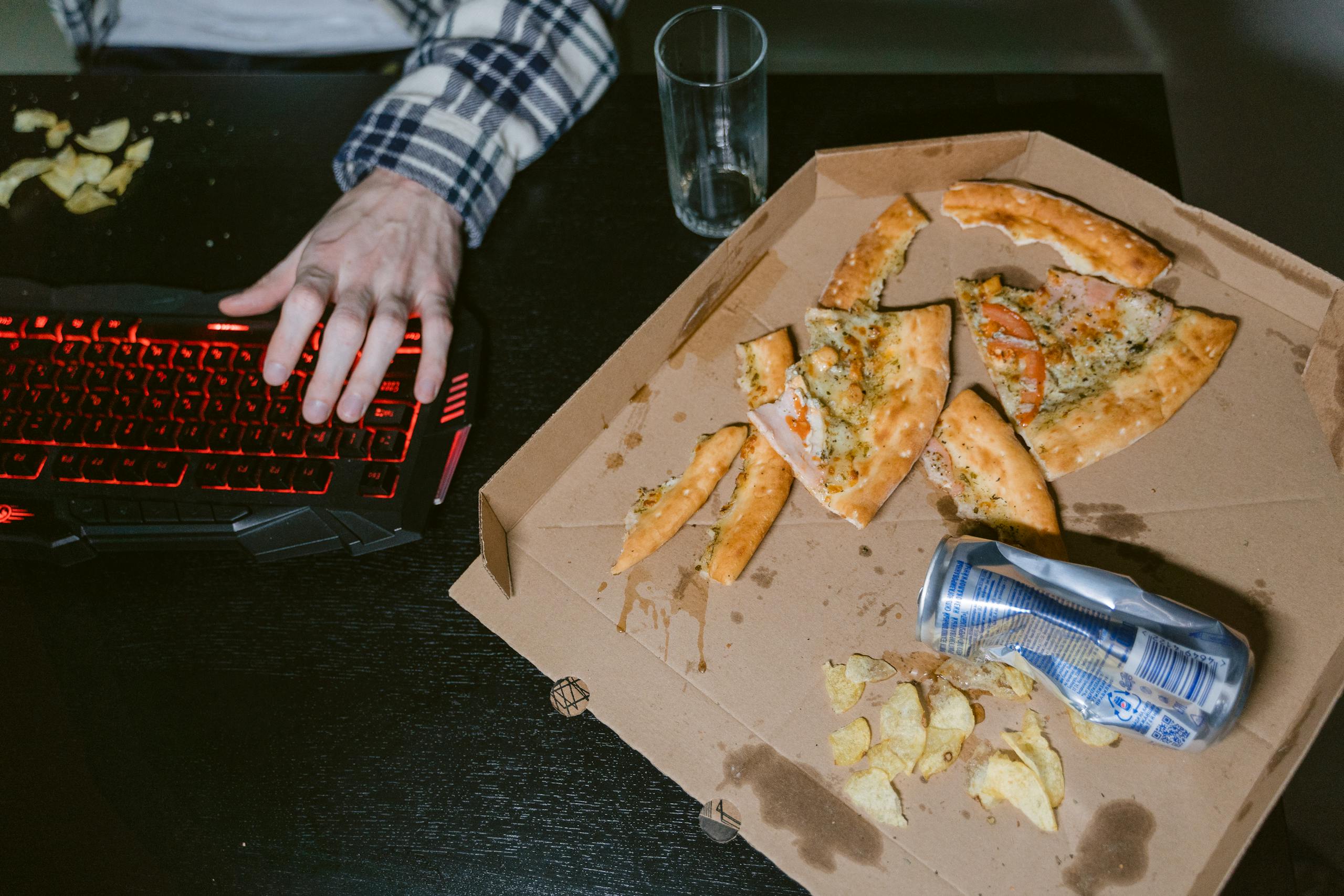
Your desk may look harmless, but it touches everything. Your hands, phone, keyboard, coffee cup, pens, papers, snacks, and crumbs all meet there. Add lunch to that mix, and suddenly your work zone becomes a dining table with worse lighting and more germs.
The CDC says germs can spread quickly at work and that hand hygiene is one of the best ways to keep employees from getting sick and spreading germs to others. If you must eat at your desk, clean the surface first, wash your hands, and stop treating your keyboard like a side plate.
It Keeps You Sitting Longer Than Your Body Wants
Most office workers already sit through emails, meetings, calls, reports, and long afternoons that feel personally designed by a chair company. Eating lunch at the same desk adds even more sitting to a day that may already be too still. That small habit matters because sitting too much has been linked with higher risks of heart disease, type 2 diabetes, certain cancers, and early death, according to the American Heart Association.
The problem is not one desk lunch. The problem is the daily pattern. You sit before lunch, sit during lunch, sit after lunch, sit in the car, and often sit again at home. Walking to a break room, sitting outside, or taking a short lunch stroll gives your body a much-needed interruption.
It Steals the Small Social Moments That Make Work Bearable

Not every lunch needs to become a networking event. Sometimes peace and quiet are the best things on the menu. Still, eating at your desk every day can slowly cut you off from the casual human moments that make work feel less robotic.
A short chat in the break room, a walk with a coworker, or even a few minutes away from your screen can change the entire feel of the afternoon. Those tiny breaks help you remember that you are not just a productivity machine with a coffee habit. You are a person who needs air, laughter, and a reason to look away from the monitor.
It Makes Work Feel Like It Owns You
The biggest problem with desk lunches is the message they send. It tells your brain that every minute must be useful. It says lunch should still serve the job. It makes rest feel like something you have to earn.
Mayo Clinic notes that extended sitting has been linked with obesity and metabolic concerns such as increased blood pressure, high blood sugar, excess body fat around the waist, and unhealthy cholesterol levels. But the emotional cost matters too. When you never leave your desk, the workday starts to feel endless, even before the afternoon slump arrives.
Conclusion

Eating at your desk once in a while is not a disaster. Busy days happen. Meetings run long. Leftovers get eaten beside laptops. Nobody needs to turn lunch into a dramatic wellness ceremony with candles and ocean sounds.
Still, your lunch break should not disappear into your inbox every day. Close the laptop, move to another chair, walk outside, eat without a screen, or give yourself ten quiet minutes away from the pressure. Your work will survive the pause. Your brain, body, and mood may feel better before the next email even lands.