8 Things Every Grandma’s Pantry Had
Grandma’s pantry had something special. It wasn’t necessarily filled with expensive ingredients or fancy kitchen gadgets, but somehow, she always had what she needed to make something delicious.
Open those cupboard doors, and you might find colorful boxes, familiar cans, and baking essentials that seemed to last forever. Some were reserved for special occasions, while others were everyday staples that earned their place on the shelf.
Back in 1960, Americans spent about 17% of their disposable personal income on food, according to the USDA. With groceries taking a considerable share of household budgets, versatile pantry ingredients had plenty of appeal.
The best part? Many of those familiar brands are still around today. Here are eight classic pantry staples that helped define generations of American home cooking.
Crisco Shortening: The Secret Behind Grandma’s Pie Crust
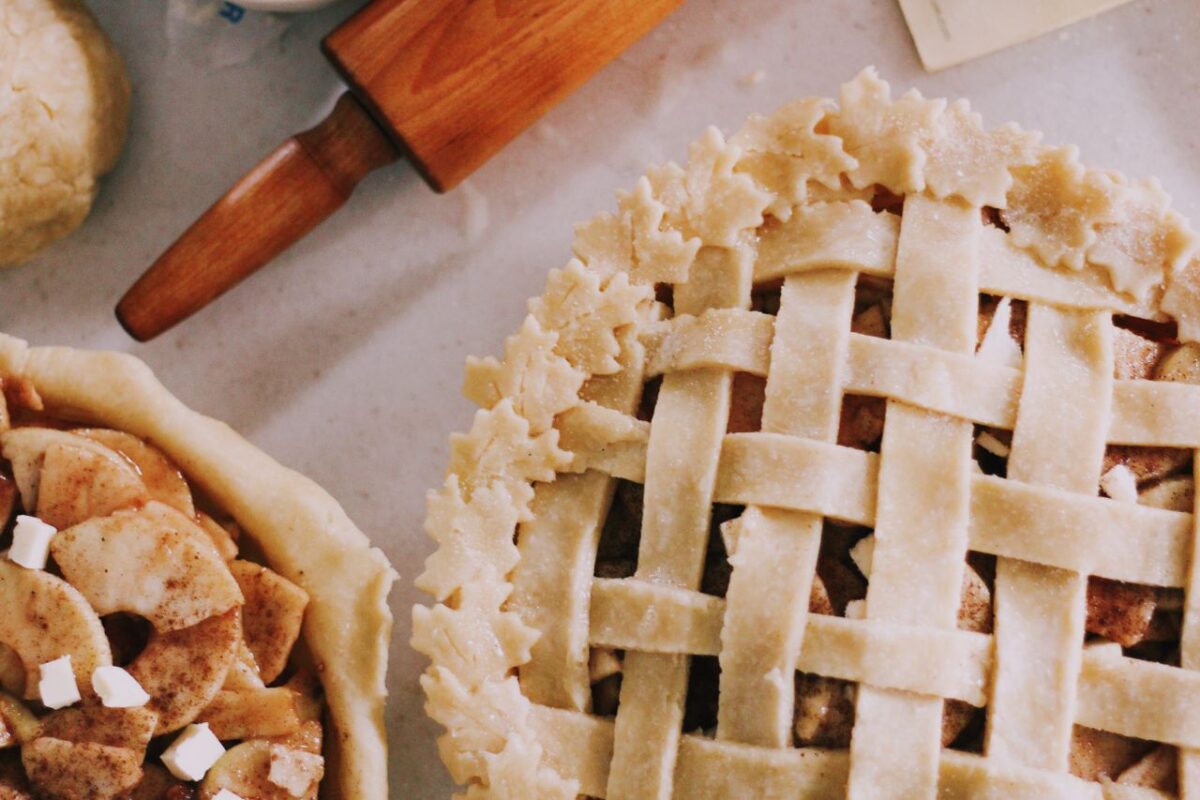
Long before fancy baking tutorials became popular, Crisco helped home cooks tackle everything from homemade pies to fried favorites.
Procter & Gamble introduced Crisco in 1911, and it became a familiar name through decades of advertising, recipes, and cooking demonstrations.
In fact, its first television advertisement in 1949 featured something especially appropriate for Grandma’s kitchen: pie crust.
For many home bakers, shortening was a practical ingredient to keep around for baking and frying. Whether the occasion called for a homemade dessert or an everyday family meal, that container had plenty of potential.
Here’s an interesting detail: During World War II, Crisco switched from tin packaging to glass to conserve metal.
You can still buy Crisco today, though its modern formulation uses soybean and palm oils instead of the original cottonseed oil.
ARM & HAMMER Baking Soda: The Little Box With Big Responsibilities
If one pantry product deserved an award for versatility, ARM & HAMMER Baking Soda would certainly be a contender.
The brand’s history stretches back to 1846, when Austin Church and John Dwight began commercially preparing bicarbonate of soda.
Of course, baking was only part of the story.
The company also promoted baking soda for household cleaning, encouraging customers to discover uses beyond their favorite recipes.
In 1950, ARM & HAMMER introduced a rotating reference wheel that provided household instructions and measurements. Imagine getting your cleaning tips from a little cardboard wheel instead of searching online!
Then, in 1972, the company began promoting baking soda boxes for refrigerators and freezers.
It was a simple product with an impressive advertising history, and that familiar orange box still sits on store shelves today.
Morton Iodized Salt: The Container With the Famous Umbrella Girl
Some packaging designs become so recognizable that you can identify them without even reading the label.
Morton Salt is a perfect example.
The company’s famous umbrella girl first appeared in 1914, alongside the memorable slogan, “When It Rains It Pours.”
The idea highlighted Morton’s free-flowing salt, which addressed the familiar frustration of salt clumping in humid conditions.
Morton introduced iodized table salt in 1924, and it was an established product by the mid-20th century.
And that little girl on the package? She evolved over the years.
Her umbrella gained a yellow handle in 1956, while the familiar yellow dress appeared in the 1968 design.
Today, Morton still sells table salt, though some anti-clumping ingredients have changed over time.
Carnation Evaporated Milk: The Can Behind Countless Family Recipes
Before complicated dessert ingredients became part of everyday grocery shopping, a can of Carnation Evaporated Milk could help turn ordinary pantry supplies into something special.
Carnation traces its beginnings to 1899 in Washington state, when fresh milk wasn’t always easy to access.
Over the following decades, evaporated milk became a useful ingredient in both sweet and savory cooking.
One particularly memorable example is Carnation’s Famous Fudge recipe, which combines evaporated milk with ingredients including sugar, butter, marshmallows, and chocolate morsels.
The brand also became known for its “Contented Cows” advertising theme, connecting its products with dairy farming.
And here’s a practical reminder for anyone recreating an old family recipe: Evaporated milk and sweetened condensed milk are different products.
Carnation Evaporated Milk is still available today, making those traditional recipes easier to revisit.
Jell-O Gelatin: The Colorful Dessert That Could Steal the Show
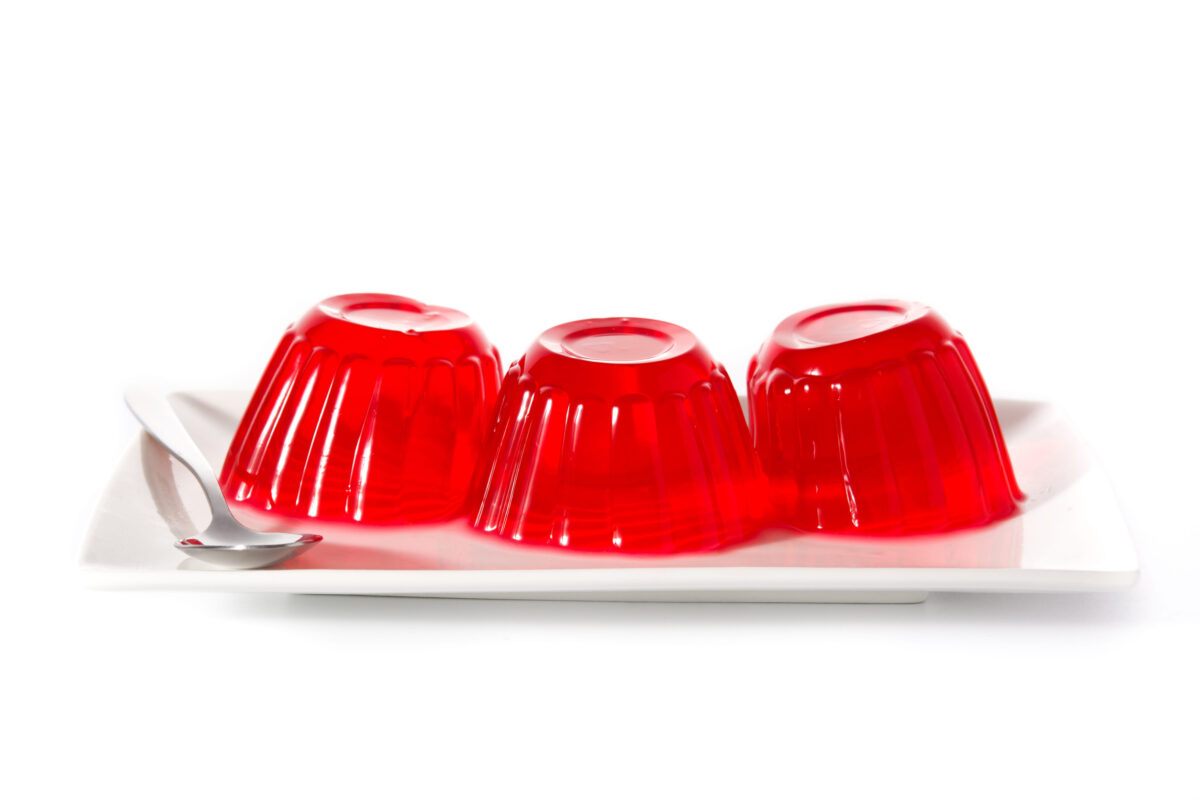
Few pantry products captured the playful side of mid-century cooking quite like Jell-O.
By the 1950s, gelatin salads had become especially popular, according to Virginia Tech’s historical collections.
But these weren’t always simple bowls of fruit-flavored gelatin.
Molded desserts and gelatin salads offered home cooks plenty of opportunities to experiment with shapes, presentations, and ingredients.
Jell-O’s promotional cookbooks helped keep that creativity going.
In 1963, The Joys of Jell-O collected recipes from earlier publications, giving home cooks extra inspiration for their next gathering.
It’s easy to see why people associate gelatin desserts with family celebrations and holiday tables.
Today, Jell-O gelatin mixes remain available, even as the brand continues expanding its product offerings.
Related: 9 Weird Foods Only Old Adults Eat
Campbell’s Cream of Mushroom Soup: The Casserole Shortcut
If Grandma was making a casserole, condensed soup was likely part of the plan.
Campbell’s introduced its Cream of Mushroom Soup in 1934, but one famous recipe helped cement its place in American cooking history.
In 1955, Campbell’s employee Dorcas Reilly created a dish originally called “Green Bean Bake.”
You probably know it better as Green Bean Casserole.
The recipe used condensed mushroom soup as a convenient sauce, demonstrating that canned soup could do much more than fill a bowl.
During the 1960s, Campbell’s began featuring the recipe on its soup labels, helping it become a Thanksgiving favorite.
That was clever marketing: The ingredient and the recipe came together in one convenient package.
Campbell’s still features Cream of Mushroom Soup in its classic casserole recipe today.
Karo Corn Syrup: A Familiar Ingredient in Holiday Baking
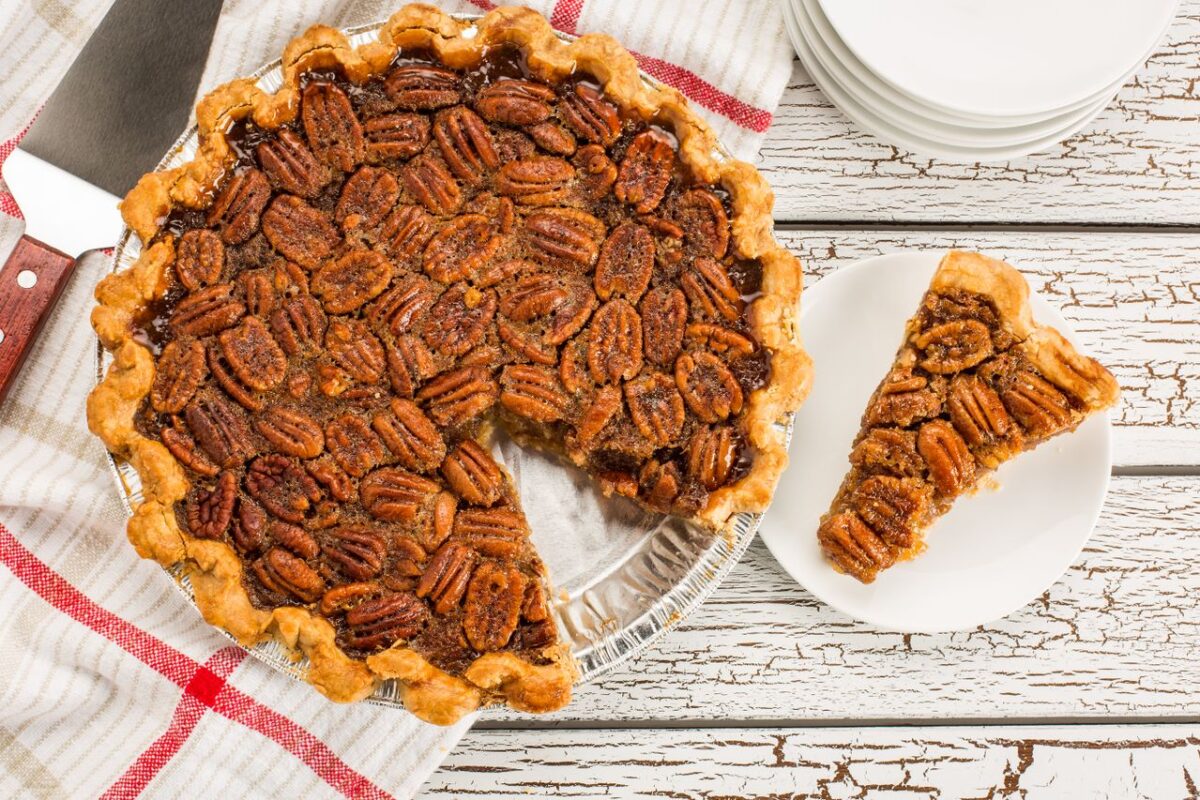
For anyone who remembers watching family members prepare pecan pie, Karo Corn Syrup might bring back a few memories.
Introduced in 1902, Karo offered light and dark corn syrups that became associated with baking, candies, sauces, and desserts.
The company promoted those possibilities through recipe collections, including its 1949 Karo Kookery cookbook.
Pecan pie eventually became one of the brand’s most recognizable associations, particularly in Southern and holiday baking traditions.
However, a fascinating historical twist complicates the story.
Although Karo is sometimes credited with inventing pecan pie, historian Rebecca Sharpless identified recipes using the syrup before the commonly repeated 1930s origin story.
So, while Karo helped popularize pecan pie recipes, it didn’t invent the dessert.
Both light and dark Karo Corn Syrup are still available today for anyone looking to revisit traditional baking favorites.
Clabber Girl Baking Powder: The Baking Essential With a Timeless Label
Last but certainly not least is Clabber Girl Baking Powder, a pantry classic with an impressively long history.
The Clabber Girl brand name appeared in 1923, though the company’s baking-powder roots go back even further.
By 1939, the company had launched a nationwide promotional campaign, helping introduce its products to more American kitchens.
But one of Clabber Girl’s most memorable features might be its packaging.
The illustrated girl first appeared in 1899, and according to the manufacturer, her appearance hasn’t changed since hair highlights were added in 1940.
That’s remarkable consistency for a grocery store package.
Baking powder itself was a practical ingredient for home bakers preparing biscuits, cakes, and other family favorites.
Clabber Girl still manufactures baking powder in Terre Haute, Indiana, keeping another familiar name tied to generations of home cooking.
Why Grandma’s Pantry Still Feels So Familiar
Looking back, Grandma’s pantry wasn’t just about ingredients. It was a place where everyday convenience met family traditions, and familiar brands often became part of favorite recipes.
These eight products weren’t necessarily in every household, but their long histories, memorable packaging, and countless appearances in recipes helped them become recognizable parts of American kitchen culture.
And perhaps the sweetest part is that you can still find all eight brands today. Sometimes, revisiting an old family recipe begins with nothing more complicated than opening a familiar box or can.